The Fundamentals
How Much Does a Luxury Safari Cost?
Real numbers from the classic tier to Singita: what each buys, where prices compress, and where you should never save.

By Hans Arnesen, Founder of Reverie Safaris · Updated September 2026
How Much Does a Luxury Safari Cost?
The dinner-party question, answered properly.
The first question people ask us is about lions. The second is about money, and it arrives sideways, somewhere between curiosity and disbelief: what does something like that actually cost?
If you have been turning that question over yourself, this guide is the straight answer. What an African safari costs at the level we design, what the number contains, where it flexes, and where it absolutely should not.
Because the travelers who have the best safaris are never the ones who spent the most or the least. They are the ones who understood what they were buying before they bought it.
If you are starting from the beginning, see How to Plan an African Safari. For how the seasons move these numbers, read Best Time to Go on Safari.

The Short Answer
Plan from $1,500 per person per day for everything on the ground in Africa: camps, meals, game drives, every transfer, every gratuity, and the bush flights between regions. That is the honest starting point at the level we design, and we would rather you arrive knowing it.
You will find cheaper safaris online, plenty of them, some at a third of the price. What we design is not those trips with a markup. It is a different tier entirely: camps we have vetted in person, private conservancies instead of crowded parks, guides at the top of their profession, and the kind of reliability a once-in-a-lifetime trip deserves.
At the summit of the category the scale changes. At Singita, the reference point for what safari can be, the lodge rate alone runs roughly $2,200 to $3,800 per person per night depending on lodge and season, before the journey around it is designed.
For ten days, a couple should expect $30,000 to $50,000 at the classic tier, and $75,000 to well past $100,000 at the summit. Families and small groups spend more in total but often less per person, because villas price by the residence, not the headcount.
If those numbers made you exhale, stay with us. The rest of this guide is about what they contain, and by the end we suspect they will make a different kind of sense.

What Each Tier Actually Buys
Here is the part that surprises people: the wildlife does not check your rate.
The Classic Tier
At the classic tier you are already in rarefied territory. Superb camps on private conservancies, guides among the best in Africa, every transfer handled, sightings uncrowded by design. This is the tier where most extraordinary safaris live, and nothing about it is entry-level.
The Summit
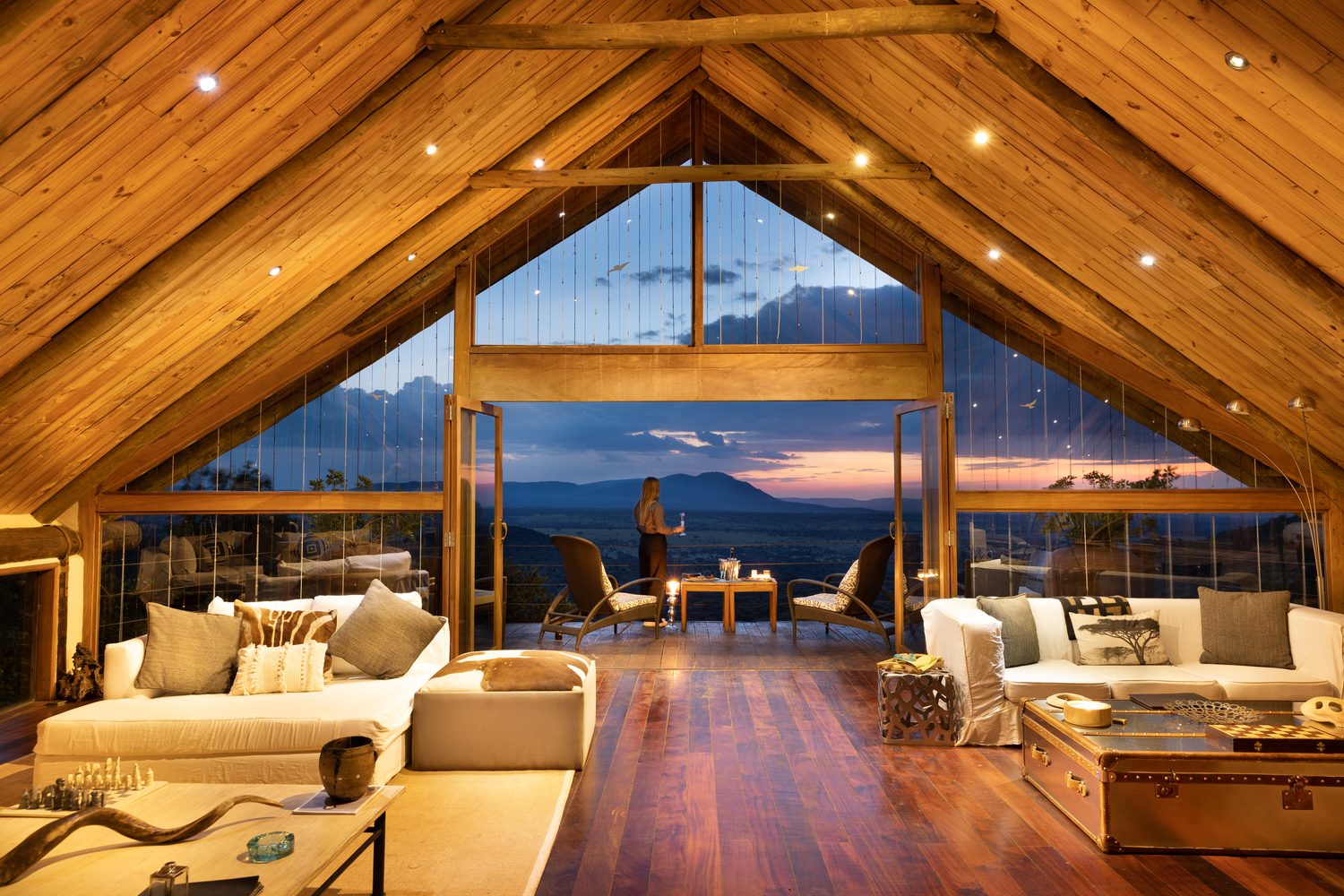
What the summit adds is space, intimacy, and depth of stewardship. Singita's lodges are kept deliberately small, eight suites at Pamushana, eleven at Kwitonda, twelve apiece at Ebony and Boulders, with the flagships only a little larger at thirteen cottages at Sasakwa and fifteen suites at Lebombo, so the land always outnumbers the guests. Staff comfortably outnumber guests, the cellars would embarrass most restaurants, and the interiors belong in design monographs. On Singita's 2026/27 rate card the lodge rate alone runs $2,200 to $3,800 per person per night for a one-bedroom suite, before flights, park fees and exclusive-use villas. With Singita Elela opening in Botswana's Okavango Delta on 11 December 2026, the top of that range stretches toward $4,600.
But the real signature is invisible from the deck. Singita, working with independent non-profit partners, is custodian of more than a million acres of wilderness across four African countries, five once Elela opens, bought, leased and patrolled, with anti-poaching teams, canine units and habitat restoration funded in meaningful part by that nightly rate. Elela itself sits in a 420,000-acre concession in the Okavango Delta, leased from the Botswana government within a designated Wildlife Management Area. The intimacy and the conservation are not separate luxuries; fewer beds on more land is the entire idea.
Exclusive-Use Villas
Beyond the lodges sit the exclusive-use villas: entire homes with dedicated chef and staff, where a private vehicle and guide are yours by default rather than arranged on request, and the per-person math improves with every guest you bring.
One honest note. At this tier the nightly rate covers everything on property; the journey between properties is designed, and priced, around it.

What the Number Contains
All-inclusive means something specific in the safari world, and it is the first place the price justifies itself. At the properties we book, your rate covers game drives, all meals, wines and spirits, laundry pressed and returned by evening, and park and conservancy fees.
And in a Reverie Safaris proposal, gratuities are inside the number too. Every one of them.
This matters more than it sounds: you will never make a budget calculation in the field. No wondering whether the second game drive appears on the bill, no signing chits at dinner, no envelope arithmetic on your last morning. The meter simply never runs. Travel enough and you learn how rare that is, and how completely it changes the way days feel. For how the camps themselves differ, see Where to Stay on Safari.

The Anatomy of a Ten-Day Journey
Take a representative $40,000 safari for two, ten days in Kenya's conservancies, say.
Roughly $30,000 of it is Africa itself: three camps, all-inclusive, sequenced so each deepens the last, with every transfer, every bush flight, every gratuity, and a VIP meet-and-greet at each airport touchpoint already inside the number. Add a second country and the flights between them are in there too, as are gorilla permits if trekking belongs in your journey.
The remainder is your international air to and from Africa, which varies widely by cabin and season and sits outside the proposal; we advise on routing case by case. Visas and travel insurance are also handled separately, and there is more on both below.
Run the same plan at the summit, Singita's Grumeti lodges in the Serengeti, or an exclusive-use villa anchoring a family journey, and a couple lands between $85,000 and $110,000.
What is absent from both versions is telling: no resort fees, no activity surcharges, no surprise line items. Your proposal is one clear figure for everything on the continent, and within a rounding error, that is exactly what Africa will have cost when you land home.
What Moves the Number
Four levers move safari pricing more than everything else combined.
Season is the largest. The same camp can vary meaningfully between February and August, which is why timing and budget are really one decision.
Exclusivity is second. Private conservancies with strict vehicle caps cost more than busier land, and the difference is precisely what you feel at every sighting.
Remoteness is third. The camps that require two bush flights are remote because that is where the wilderness is, and logistics follow.
Party size cuts the other way. A villa that seems extravagant for two becomes surprisingly rational for six, which is why multi-generational groups often travel better per person than couples. More in Luxury Family Safaris.
None of these levers is a trick. Each is simply geography, scarcity, or arithmetic being honest with you.

Same Reserve, Different Price
The Maasai Mara has more camps and lodges than almost anywhere in Africa, and two of them can sit a short drive apart, watching the same lions, at prices that look three or four times different. It is fair to ask whether the difference is real. Some of it is, some of it isn't, and a good deal of it is two numbers that don't measure the same thing.
Start with what the number is. Our $1,500 per person per day is not a room rate. It is the whole journey on the ground, divided by the days: the camps, every internal flight and transfer, park and conservancy fees, VIP assistance on arrival, and every gratuity. A nightly rate on a booking site is usually a price per room or tent, often for meals only. In 2026, a 75-tent camp in the Mara publishes full-board rates of roughly $400 to $760 a night per tent, about $200 to $380 per person, with game drives, drinks and park fees on top. Park fees alone are $200 per adult per day from July through December and $100 from January to June. In Botswana and South Africa, park fees are modest; East Africa vs Southern Africa explains where the cost sits instead.
Even the finest camps' rates are rarely all-in. Angama Mara, on the escarpment above the Mara Triangle, publishes $1,850 to $2,750 per person per night for 2026, with meals, drinks and shared game drives included. Park fees, gratuities and a private vehicle, from $200 for a half day to $800 for a full day in peak season, are extra.
Then look at the size. A lodge of seventy-five rooms sends a great many vehicles out at dawn; a camp of eight or fifteen suites sends a handful, and the number of staff and guides per guest changes with it. Angama Mara is two camps of fifteen suites each; Entim Private, inside the Reserve, has eight. Intimacy is expensive to build and can't be spread across more beds, and it is a large part of what the higher rate pays for.
Then the vehicle and the guide. The lower price usually means a shared vehicle, often a pop-top minivan, run to the camp's clock. The higher one means an open vehicle with fewer people in it, or only you, and a day shaped around the animals rather than around lunch. Kenya grades its guides through KPSGA's Bronze, Silver and Gold levels, each step requiring at least three more years in the field, and the best camps compete for the Silver and Gold guides.
What the premium can't buy inside the Reserve is solitude. At a busy sighting, both camps' vehicles may be parked side by side. That is the honest reason we lean on the private conservancies bordering the Reserve, where vehicle caps mean the difference shows at the sighting itself, not only back at camp.
So did you overpay? Not if you valued what the difference bought: the guide, the vehicle, the space, the inclusions, the pace. If none of those matter to you, a larger camp may be the right one, and we'll tell you so.

Where Costs Compress
Shoulder seasons, May and November across much of Africa, run 20 to 30 percent below peak while delivering experiences nearly indistinguishable from it. Green season can fall further still, trading guaranteed dry skies for theatrical light, newborn animals and camps nearly to yourself, though the holidays, from late December into early January, are the exception and price at or above peak.
Longer stays unlock preferential rates, and three nights in one camp always outperforms one night in three. The operators publish their own versions of these levers, from a complimentary fourth night to a lower rate from six nights. The current ones are on our Safari Offers page.
Combinations matter too. Certain pairings, South Africa with Mozambique's coast, or Kenya with Rwanda, flow efficiently, while forcing distant regions into one itinerary adds cost without adding meaning.
If the total needs to come down, these are the levers we reach for, and never the ones below. For the month-by-month picture, read Best Time to Go on Safari.
Where Never to Save
Some economies cost more than they save.
Guiding is first among them, and it deserves more than a sentence. The difference between a competent guide and an extraordinary one is the difference between seeing animals and understanding them, and extraordinary is earned slowly. South Africa's top field guides work years through FGASA's qualification levels; the first rating that permits leading guests on foot requires a hundred logged walking hours and forty dangerous-game encounters, and the senior trails ratings take years more. The finest trackers grew up on the very land they now read for you, taught by fathers and grandfathers, holding knowledge no certification can grant. That expertise defines every hour of your safari, and it is never where the budget should come from.
Flight logistics are second. The cheaper routing with the overnight layover and the questionable regional carrier is how exhaustion enters a trip designed to remove it.
One-night stays are third. They photograph well on an itinerary and feel like packing and unpacking with scenery.
And the too-good deal is its own warning. In a category where the rate funds ranger patrols against poaching pressure that remains painfully real, rhino in South Africa most of all, a price that undercuts the market is usually telling you exactly what it stopped paying for. See How to Choose a Conservation-Led Safari for how to read those signals.
Tips, Paperwork, and the Real Total
Gratuities are included. All of them. Guides, trackers, camp staff, porters, drivers: taken care of before you ever land, at the rates those teams deserve.
Tipping is the last place luxury travel still makes its guests do math, and we have simply removed it. If someone makes your journey and you would like to add something personal on top, that is entirely yours. Never expected, never needed.
Visas and travel insurance are arranged separately, and we walk you through both. The Cape Town or Nairobi nights that bookend many journeys are not extras either; they are designed and priced into your proposal from the start.
What you will not find is the death by a thousand charges that defines so much of luxury travel elsewhere.
The Value Question
Here is what we have learned across years of designing these journeys at every price point: travelers who stretch to safari properly almost never feel they overpaid, and travelers who compromised almost always wish they had not.
This is not snobbery. It is what the money does. It buys land kept wild and empty, guides who spent a decade learning to read grass, the absence of crowds, and time itself: the freedom to stay with a leopard until she moves because nothing about your day is metered.
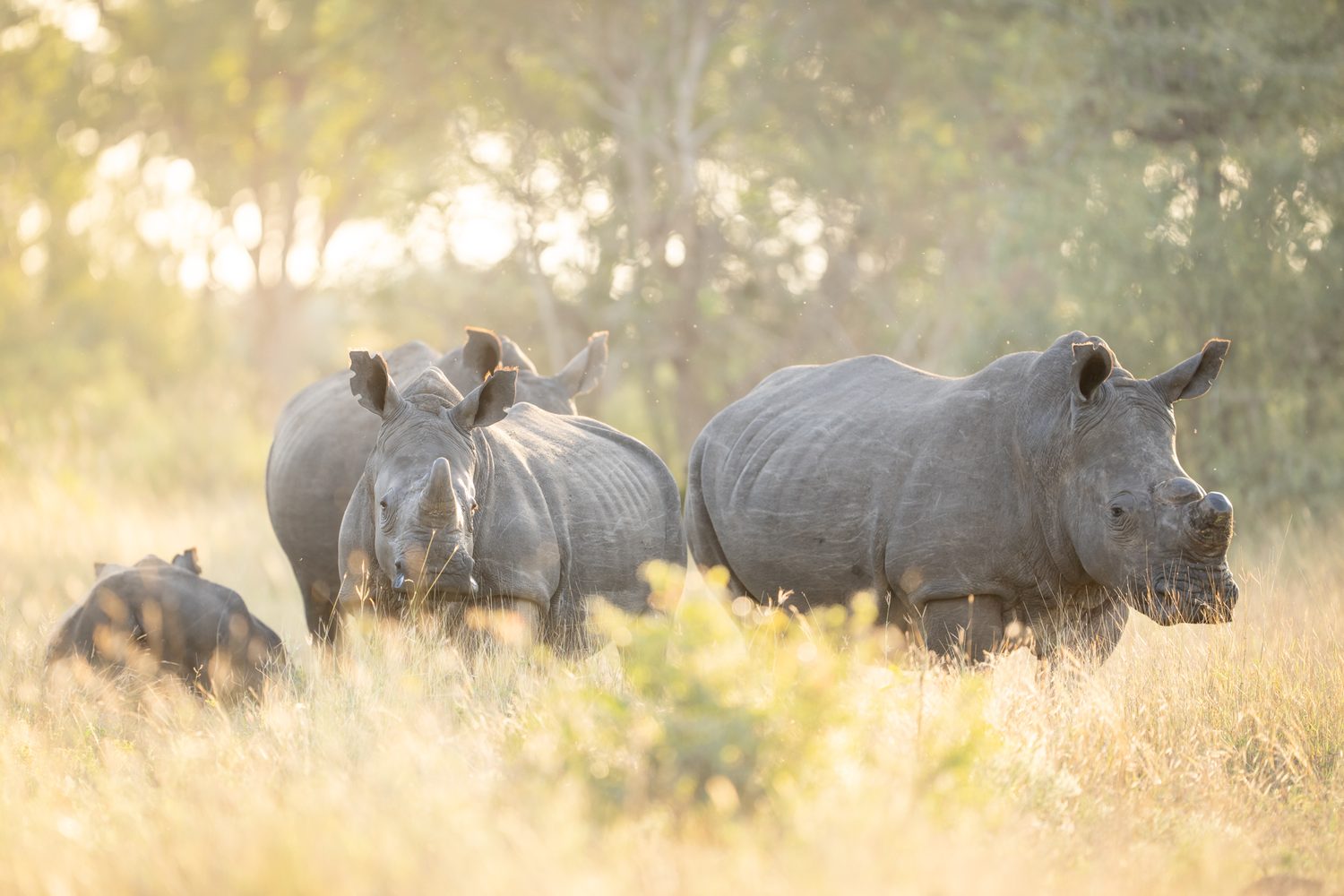
It also buys something most luxury cannot claim, which is the rhinos still being there at sunrise, funded in meaningful part by your stay.
A safari is among the most expensive trips you will ever take, and years later, when the question comes around the table to you, you will hear yourself say what our clients say: it was the best money we ever spent on travel.
Safari Cost Questions, Answered
How much does a ten-day African safari cost?
For two people, $30,000 to $50,000 at the classic tier and $75,000 to beyond $100,000 at the summit, covering everything on the ground in Africa. The starting point is $1,500 per person per day, and international airfare sits outside that.
What is included in a luxury safari price?
At the camps we book: game drives, all meals, wines and spirits, laundry, and park and conservancy fees. In our proposals, also every internal flight and transfer, VIP airport assistance, gorilla permits where relevant, and all gratuities. Excluded: international airfare, visas, and travel insurance.
Why does one safari lodge cost three times more than the one next door?
Usually because the two prices measure different things. Online rates are often per room and for meals only, with game drives, drinks and park fees on top; an all-inclusive camp covers most of that, and our own per-day figure covers the whole journey, flights and gratuities included. Beyond that, the real differences are size, the vehicle, the guide and the pace of the day. In a busy national reserve the wildlife is the same for both, which is why we favor private conservancies, where the premium also buys fewer vehicles at every sighting.
How much should you tip on safari?
On a Reverie Safaris journey, nothing. Gratuities for guides, trackers, camp staff, porters and drivers are built into your price at the rates those teams deserve, so nobody is reaching for a wallet at the end of a game drive.
If you are booking elsewhere, these are the starting points we use at this level: $25 per guest per day for your safari guide, $15 for a tracker where one is used, and $10 per guest per day into the camp's communal staff box. In cities, roughly $10 a day for housekeeping, $5 for a porter, $10 for a concierge who genuinely solves something, and fifteen percent in restaurants. Modest tiers tip below these figures; we quote what the teams at this end of the market are used to.
What does international airfare to Africa add?
It varies more than any other line. From the United States, economy typically runs $1,200 to $2,500 round trip and business class $5,000 to $9,000, depending on season, routing and how far ahead you book. We advise on routing case by case rather than guessing at it in a proposal.
What is the cheapest time to go on a luxury safari?
April, May and November sit lowest, running 20 to 40 percent below peak, with shoulder months delivering conditions close to peak season. The holidays, in late December and early January, are the exception and price at or above peak. The trade is some predictability in weather and road access. See Best Time to Go on Safari for the full picture.
Does a family safari cost more per person?
Usually less. Exclusive-use villas price by the residence rather than the headcount, so a home that looks extravagant for two becomes rational for six or eight, with a private vehicle and guide included. The total rises; the per-person figure often falls.
Your Number
There is no rate card here, because there is no standard safari. Your number depends on season, region, pace, and the particular alchemy of who is traveling and why.
What we promise is a proposal you can actually read: one clear figure, alternatives explained honestly, and our advice on where your budget works hardest. Once you book, that proposal becomes a beautiful digital itinerary, every detail and document organized day by day, with a WhatsApp thread connecting you to everyone making it happen.
We plan every journey as if we were the ones traveling, because sooner or later we usually are. Tell us what calls to you, and we will put a real number to it. Begin the conversation whenever you are ready.
The Printable Safari Packing Checklist
Four designed pages, free: the complete checklist, the landscape palette, packing by season, and traveling with children. Tell us where to send it.
Read Further



The daydream has a number
Tell us what calls to you, and we will shape the journey around it, returned as a single, all-in price. One figure that means everything is handled.

" height="6.799809999999999px" id="UnPIFpqy2" transform="translate(4.733 4.667)" width="6.799800000000001px"/><path d="M 0.8 0 C 1.267 0 1.6 0.4 1.6 0.8 C 1.6 1.267 1.266 1.6 0.8 1.6 C 0.333 1.6 0 1.267 0 0.8 C 0 0.334 0.333 0 0.8 0 Z" fill="rgb(165, 176, 170)" height="1.6000999999999999px" id="wjKJl84P4" transform="translate(10.867 3.733)" width="1.6000999999999994px"/><path d="M 7.333 0 C 8.533 0 8.8 0.067 9.4 0.067 C 10.467 0.134 11.466 0.4 12.2 1.133 C 12.933 1.867 13.2 2.867 13.267 3.934 C 13.333 4.533 13.333 4.8 13.333 6 L 13.333 7.333 C 13.333 8.533 13.267 8.8 13.267 9.4 C 13.2 10.467 12.933 11.467 12.2 12.2 C 11.466 12.933 10.467 13.2 9.4 13.267 C 8.8 13.333 8.533 13.334 7.333 13.334 L 6 13.334 C 4.8 13.334 4.533 13.267 3.933 13.267 C 2.8 13.2 1.867 12.933 1.133 12.2 C 0.4 11.467 0.133 10.467 0.066 9.4 C 0 8.8 0 8.533 0 7.333 L 0 5.934 C 0 4.734 0.066 4.467 0.066 3.867 C 0.066 2.8 0.333 1.867 1.133 1.067 C 1.867 0.334 2.8 0.067 3.866 0.067 C 4.466 0 4.733 0 5.933 0 Z M 6.666 1.2 C 4.933 1.2 4.733 1.267 4 1.267 C 3.266 1.333 2.533 1.467 2 2 C 1.466 2.533 1.333 3.267 1.267 4 C 1.2 4.667 1.2 4.867 1.2 6.667 C 1.2 8.4 1.2 8.6 1.267 9.333 C 1.333 10.067 1.466 10.8 2 11.333 C 2.533 11.867 3.266 12 4 12.067 C 4.666 12.134 4.866 12.133 6.666 12.133 C 8.4 12.133 8.6 12.067 9.333 12.067 C 10.066 12 10.8 11.867 11.333 11.333 C 11.866 10.8 12 10.067 12.066 9.333 C 12.133 8.6 12.133 8.4 12.133 6.667 C 12.133 4.934 12.066 4.733 12.066 4 C 12 3.267 11.866 2.533 11.333 2 C 10.8 1.467 10.066 1.333 9.333 1.267 C 8.666 1.2 8.466 1.2 6.666 1.2 Z" fill="rgb(165, 176, 170)" height="13.3335px" id="W1sWTdVhE" transform="translate(1.467 1.467)" width="13.33300001940264px"/></svg>)
" height="12.000010000000001px" id="Px7drxAPR" transform="translate(4.133 2.134)" width="7.53329px"/></svg>)
" height="13px" id="RXaPy7s6t" transform="translate(0.838 1.5)" width="14.381208999999998px"/></svg>)
" height="11.99998861028647px" id="xgm2Ladnt" transform="translate(2.036 2)" width="11.92787px"/></svg>)
" height="9.26662px" id="tz2Esvrs4" transform="translate(1.467 3.567)" width="13.333300000000001px"/></svg>)