The Fundamentals
How to Choose a Conservation-Led Safari
The luxury you're buying is space.

By Hans Arnesen, Founder of Reverie Safaris · Updated October 2026
How to Choose a Conservation-Led Safari
The luxury you're buying is space.
Your tracker lifts a hand. Your guide brakes. It is a July dawn in the Sabi Sand, cold enough for the blanket over your knees. The only tire tracks on the road are yours, from last night's drive. Pressed into them, crisp at the edges, run a male lion's prints, each wider than your palm. For ten minutes last evening, this was your road. The rest of the night, it was his. The tracker steps down off the hood, touches the rim of one print and points ahead.
The first question we hear is rarely "Are safaris ethical?" It is usually "Will it feel crowded?" They are the same question. That single set of tire tracks was settled long before you landed, by limits on beds and vehicles and by a nightly rate that makes wild land pay. Choosing a conservation-led safari comes down to finding the places that made those decisions, and kept them.
The Short Answer
Are safaris ethical? The best ones are the reason so much of Africa's wild land is still wild. Choose private conservancies and concessions over crowded parks where you can, and choose operators whose business depends on the land staying wild. Look for low guest numbers per acre, caps on vehicles at a sighting (three in the Sabi Sand, five across the Mara conservancies), leases that pay the communities who own the land, and anti-poaching funded by the nightly rate.
Ask how many acres there are per bed; good operators answer instantly. Done well, the responsible choice and the best trip are the same one.

"Will it feel crowded?"
This is the question that matters most, and it's an impact question in disguise, a point we made to National Geographic in their 2026 guide to choosing a responsible safari, and one worth repeating here.
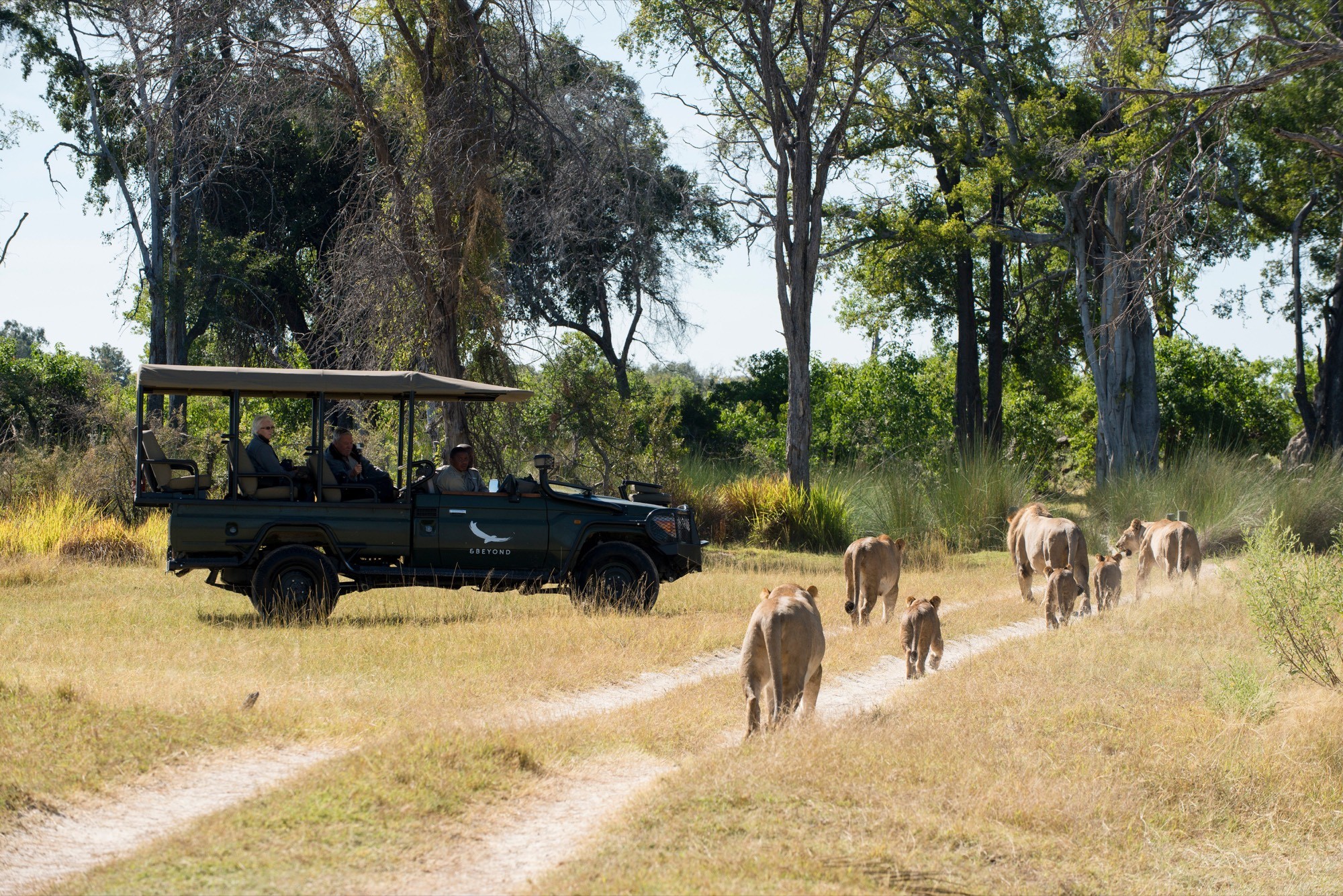
Picture two versions of a lion sighting. In one, you arrive to find fourteen vehicles already parked in a semicircle, engines idling, radios crackling. In the other, your guide cuts the engine and you sit alone with the pride for an hour, because the conservancy you're staying in caps vehicles across tens of thousands of acres.
The second sighting isn't luck. It's land management. Conservancies typically limit how much land each bed requires, often several hundred acres per tent, and how many vehicles may attend a single sighting, three in the Sabi Sand and five across the Mara conservancies. Those two rules are what produce the silence you came for.
Low-density tourism and well-protected landscapes are what make privacy, flexibility, and natural wildlife behavior possible. A property that can't deliver an uncrowded sighting usually can't deliver on its conservation claims either. The two failures share a root cause.
"What's the difference between a national park and a conservancy?"
Who controls the land, and who benefits from your stay.
National parks are state-managed and protect critical biodiversity at scale. Many are magnificent, and some belong on any serious itinerary; the Serengeti and Kruger are national parks, and no one should talk you out of them. But they are generally open to high volumes of vehicles, entry is by gate rather than by invitation, and off-road driving is usually prohibited. That is where the fourteen-vehicle sighting comes from.
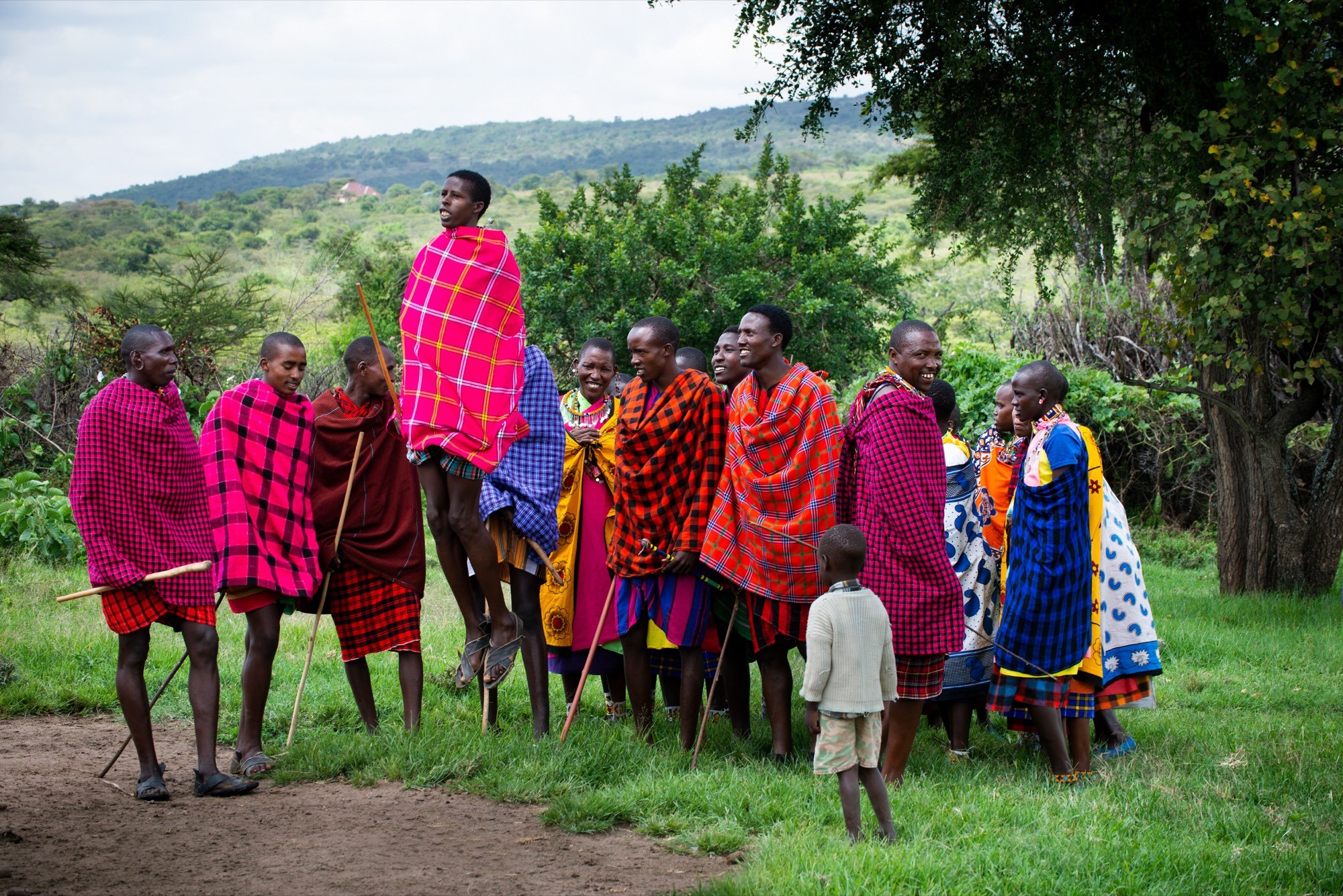
Private and community conservancies work differently. Land is leased or owned in partnership with the communities who live there, guest and vehicle numbers are strictly capped, and a meaningful share of what you pay flows directly to landowners, conservancy fees, and anti-poaching operations.
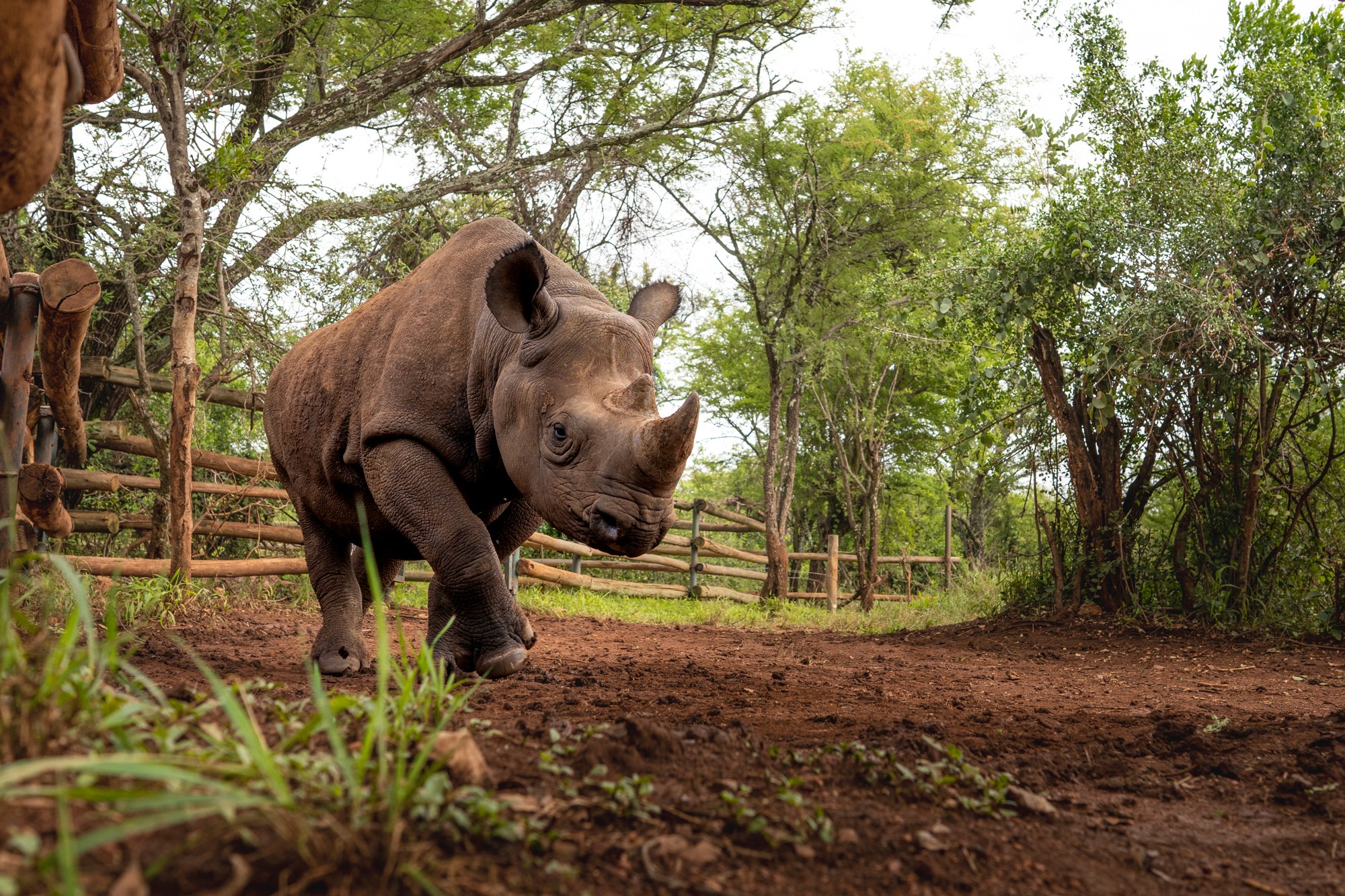
In Kenya's Mara conservancies, the model is unusually clear: individual Maasai landowners receive regular lease payments for keeping their land open to wildlife rather than fencing or farming it, which makes conservation the most rational economic choice available to them. Elsewhere the mechanism differs but the logic holds. Some of Africa's finest photographic reserves were rebuilt this way. Great Plains' Selinda in Botswana carried hunting concessions before it was converted wholly to photographic tourism in 2006. The Grumeti Fund, an independent non-profit that Singita partners with rather than owns, took on 350,000 acres of the western Serengeti in 2003, inheriting uncontrolled illegal hunting, rampant wildfires and spreading invasive vegetation. By 2019 the reserve was secure enough to receive nine critically endangered eastern black rhino, the largest single translocation of rhino into Tanzania.
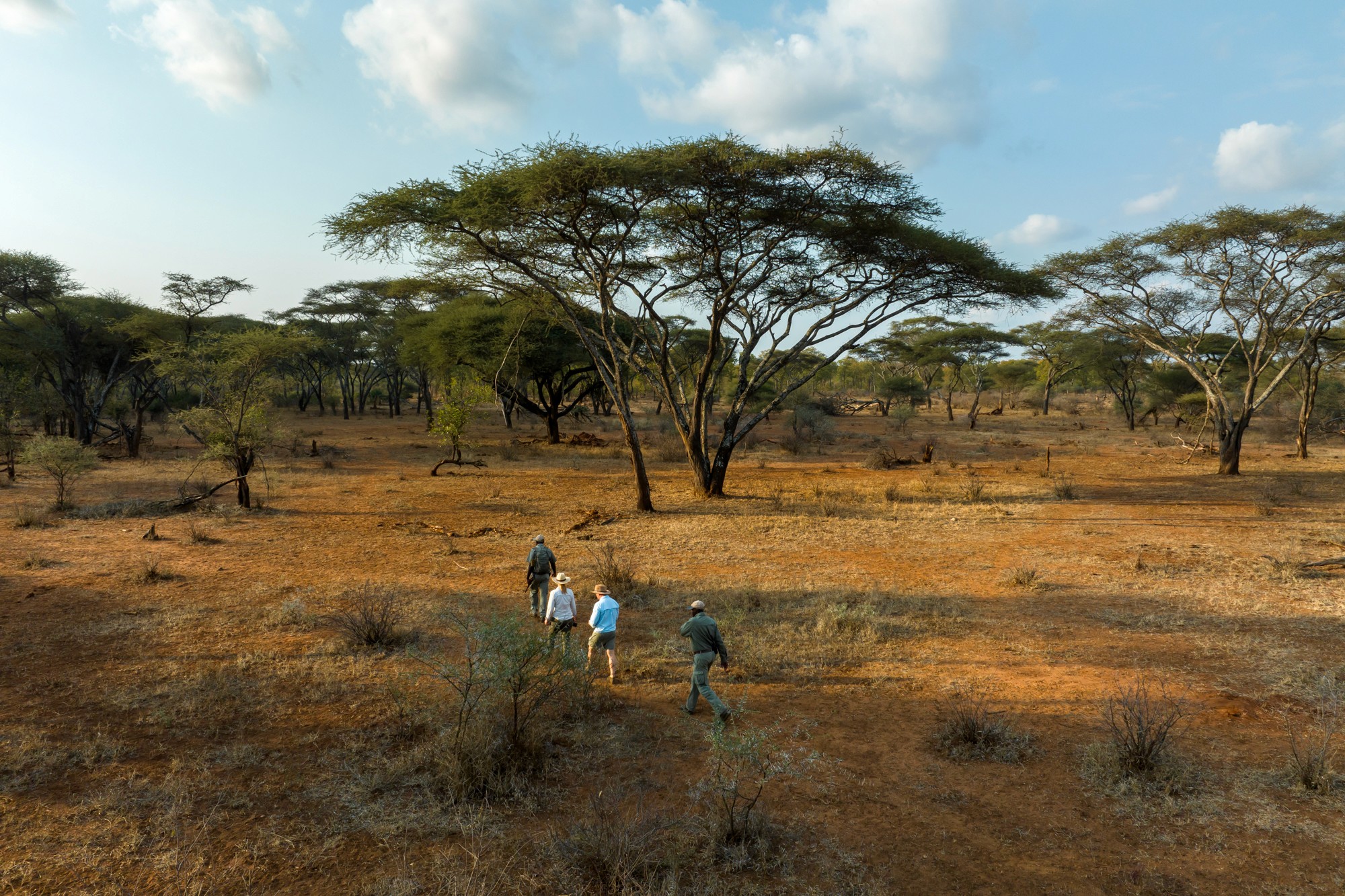
The result is the safari most families are picturing when they call us: vast landscapes, few vehicles, and the freedom to drive off-road, stay late with a sighting, and move at your own pace. Most of the journeys we design lean on conservancies and private reserves for exactly this reason. Not because it's virtuous, because it's better. For how these places differ to stay in, see Where to Stay on Safari.
"Why does it cost this much?"
At face value, $1,500 or more per person per day can seem steep. Then you look at what the number is actually doing.
A significant portion of a conservation-led property's rate funds anti-poaching units, community conservancy fees, habitat protection, and the infrastructure that keeps guest density low. Keeping hundreds of thousands of acres quiet, wild, and safe is an expensive, around-the-clock operation: rangers, aircraft, veterinary teams, schools, and salaries for staff drawn from surrounding communities.
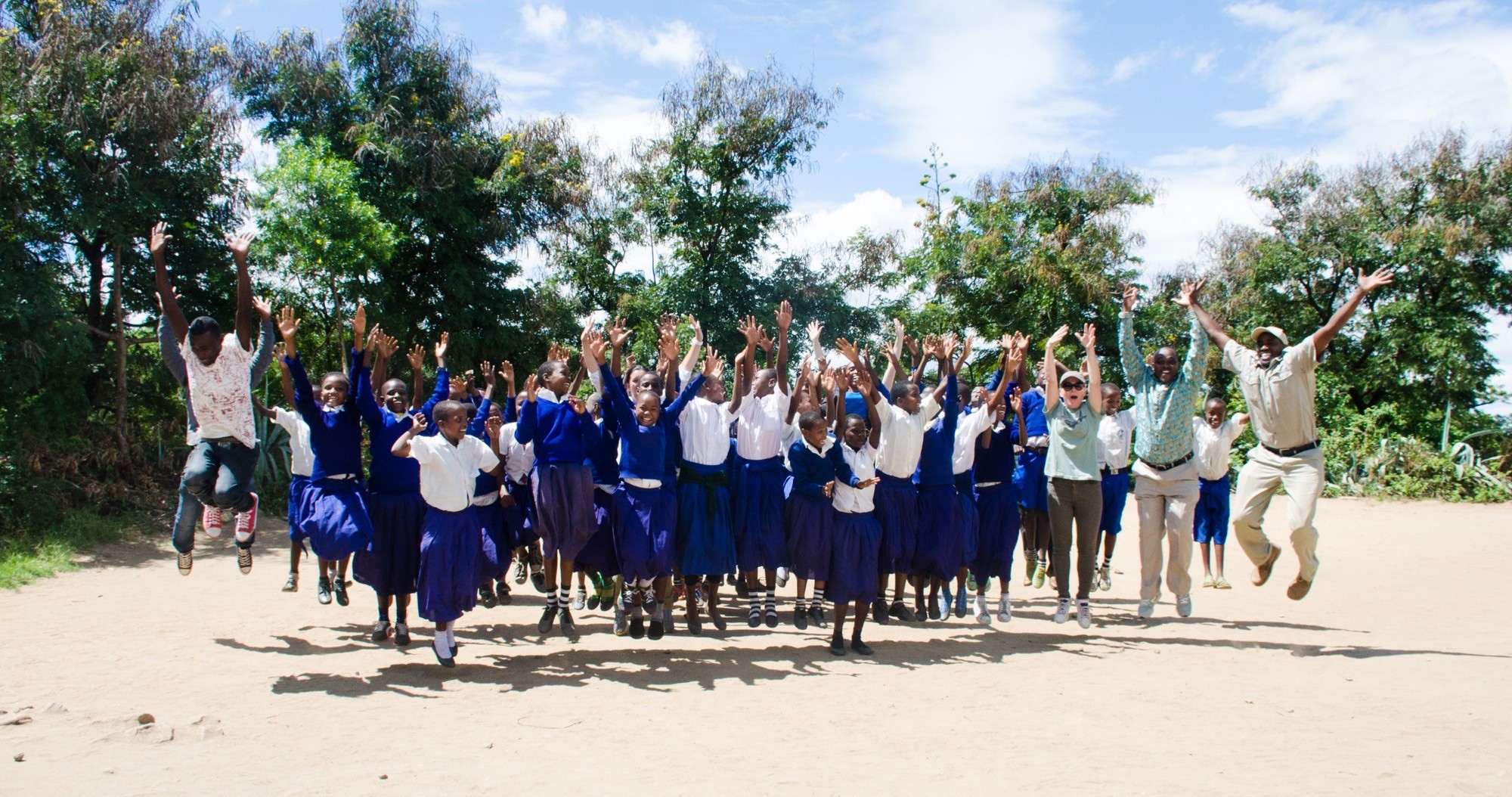
That last item deserves more attention than it gets. In much of rural Africa a single lodge job supports an extended family, and the best operators recruit, train, and promote almost entirely from the villages nearest the reserve. The classrooms, clinics, and scholarship programs that sit behind these lodges are not gestures; they are the reason a community chooses to live alongside predators rather than in conflict with them. The scale can be surprising. The Malilangwe Trust in Zimbabwe, funded through the same model, provides a cup of fortified maize drink to around twenty thousand schoolchildren on every school day.
The luxury is real. So is the conservation cost. When you understand that your stay is what keeps the land protected, that the price of your exclusive sighting includes the reason it exists, the number makes a different kind of sense. You're not just paying for the sundowner. You're paying for the rhinos still being there at sunrise. For the complete arithmetic across every tier, see How Much Does a Luxury Safari Cost?
"What does the luxury itself cost?"
A fair challenge to everything above, and one this guide should meet rather than dodge.
Low density protects land per acre. It does not make a luxury camp light per guest. A suite with a plunge pool, daily laundry, imported wine, air conditioning and a private vehicle consumes considerably more water, fuel and freight than a modest camp does, and in arid country the water question is the serious one. Anyone telling you that a luxury safari is inherently gentle on an ecosystem is selling you comfort rather than truth.
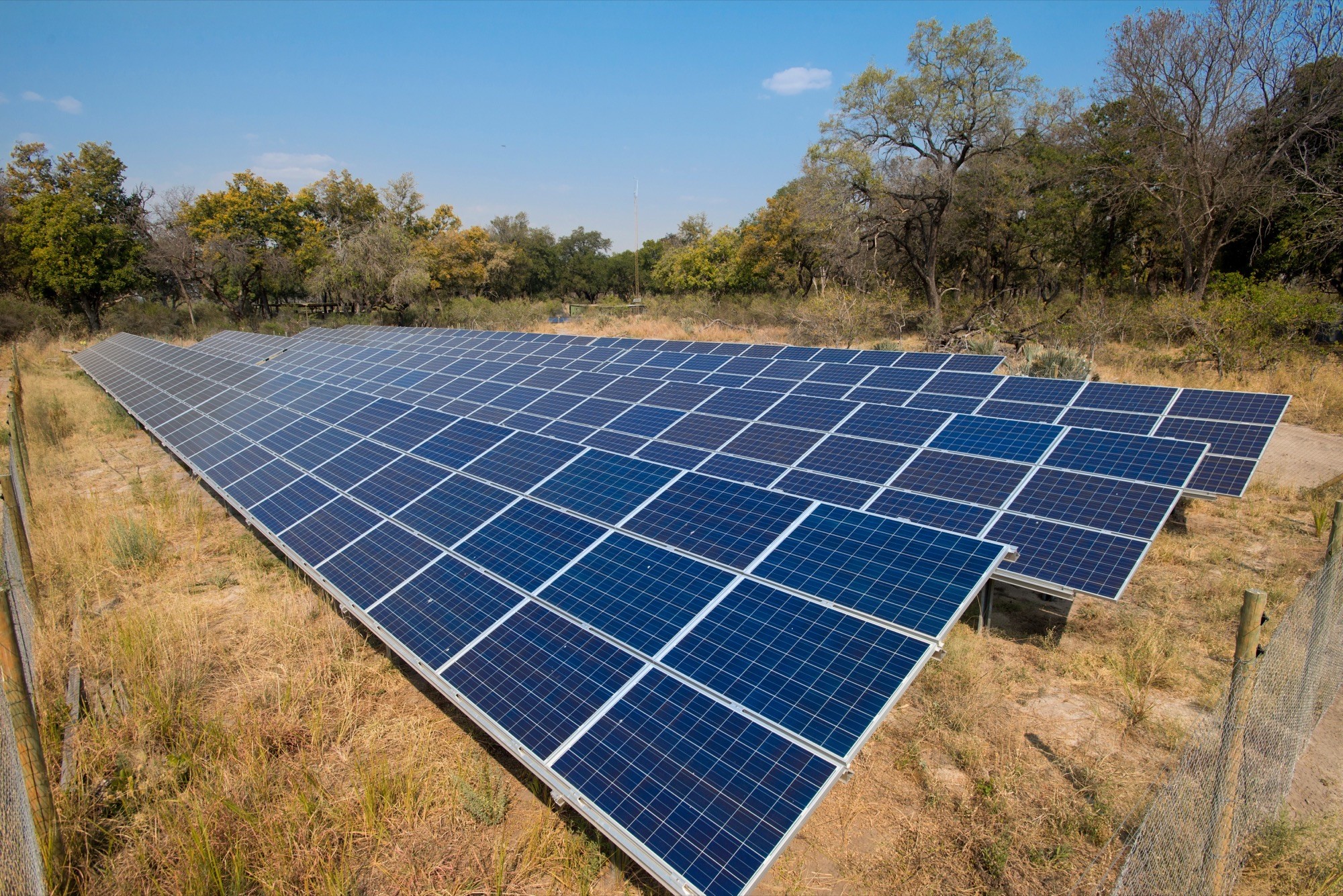
What the best operators do about it is specific and checkable. Solar arrays sized to run the camp rather than decorate it. Boreholes monitored against aquifer data instead of pumped on demand. Water treated and reused. Kitchens sourcing from local growers rather than air-freighting from Europe. Camps built light enough to be removed, with some closing for the wettest months so the land rests without guests on it at all.
The honest position is that this is a trade, not a free lunch. A luxury camp costs an ecosystem more per guest and protects far more land per acre, and the second effect is what keeps the first one affordable to the landscape. That is a defensible bargain. It is not a spotless one, and the camps doing this part well are usually glad to tell you how.
"How do I know the conservation claims are real?"
Nearly every lodge website promises the same thing: your stay protects wildlife and uplifts communities. Some of it is true. Some of it is marketing. From a search engine, they look identical.
We apply three practical filters.
Who controls the land. A genuine conservancy or private-reserve structure, with community partnership built into the ownership or lease, rather than a lodge that donates to a cause on the side.
Whether density is genuinely low. Beds per acre, vehicles per sighting, exclusive-use options. These numbers are hard to fake, because you feel them within an hour of your first game drive.
Whether the commitment is structural. Conservation embedded in the business model, not a one-off initiative, a borehole dug in 2019, or a sustainability page with no photographs, figures, or reporting from the past year. Third-party accountability is a strong signal that a property invites scrutiny rather than avoiding it: memberships such as The Long Run, certification against a Global Sustainable Tourism Council standard, Fair Trade Tourism in South Africa, published annual impact reports with actual numbers in them.
The red flags are just as consistent. Stock photography of children with no named partner organization. The word "eco" doing all the work. Impact described only in adjectives. A conservation page last updated three years ago. And any property whose rate sits far below the market for its region, because in a category where the rate funds ranger patrols, a price that undercuts everyone is usually telling you what it stopped paying for.
We work through these questions before a property reaches your proposal. They are why we return again and again to operators like Singita, Wilderness, Great Plains and &Beyond. At these companies, land protection and community partnership are the business model, and you can feel it in the experience: uncrowded sightings, ethical guiding, landscapes that are visibly thriving.
"What should I ask before I book?"
If you are booking without us, or simply want to test what you are being told, these six questions separate the genuine from the decorative quickly. What matters is not whether you get an answer, but whether the answer contains specifics.
Who owns or leases this land, and what do the neighboring communities receive? A good answer names the conservancy, the lease structure, and the beneficiaries. A weak answer talks about "supporting local communities."
How many acres are there per bed? Good operators know this number instantly and are proud of it. Hesitation is itself an answer.
How many vehicles are allowed at one sighting? A cap of three to five signals a managed reserve. No cap signals a park, which is fine, as long as you know that is what you are buying.
Where does your staff come from, and who is in senior roles? Recruitment and promotion from surrounding communities is the most reliable indicator of a long-term relationship rather than a short-term one.
If this is a community conservancy, is there a grazing management plan, and who enforces it? Lease income is only half the model. Livestock is the pressure that decides whether the other half works, and the conservancies that take it seriously run rotational grazing with named managers who can move cattle when an area is overgrazed. A camp that can describe that system understands the land it sits on.
What did last year's conservation spending actually fund? Specific answers include ranger salaries, collaring programs, fence lines, school fees, and veterinary callouts. Vague answers include "a percentage of profits."
You will learn more from how readily these are answered than from anything on the website. And if you would rather not conduct the interview yourself, that vetting is precisely what we do before a property reaches your proposal. See How to Plan an African Safari for how the rest of that process works.
"Where does my visit count most?"
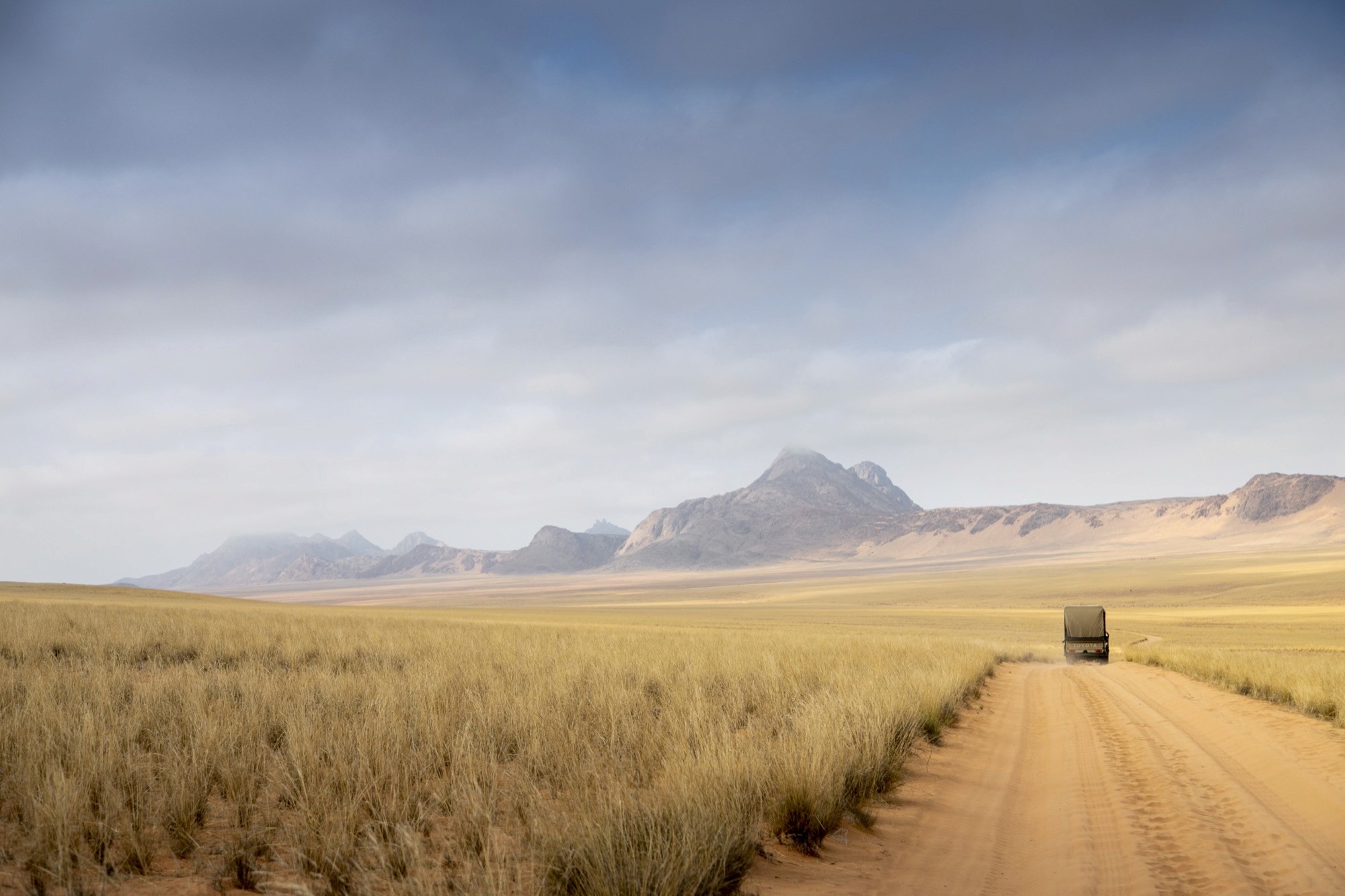
Tourism money in Africa follows fame. The best-known reserves are, comparatively, well funded. The Mara, the Sabi Sand and the Serengeti do not lack for visitors or revenue. Meanwhile some of the continent's largest and wildest protected areas run on a fraction of what they need.
Ruaha and Katavi in Tanzania are enormous and see a tiny share of the country's visitors. Gonarezhou in Zimbabwe runs under a joint trust. African Parks co-manages Liuwa Plain and Kafue in Zambia, alongside parks in the Republic of Congo and the Democratic Republic of Congo. All are vast, properly wild and chronically underfunded. In those landscapes a single well-run camp can be the difference between a funded ranger force and an unfunded one.
These places ask more of you. Getting there takes longer, the camps are fewer and simpler, and the wildlife can be harder won. What you get in return is a park that feels genuinely unvisited, and a visit that moves the needle rather than joining a queue. For a first safari we usually still start with the classics, because they deliver reliably and most people have waited a long time for them. But if you have been to Africa before, or you would rather your visit did more work than it has to, these are the places worth asking us about.
A handful of camps also invite guests into the actual work: a rhino notching, a collaring operation, a fence line built to keep elephants out of crops. Where a property we book offers it, we will arrange it. One caution, honestly meant: the test of whether it is real is whether the researchers would be doing that work this week if you were not there. If the answer is no, it is an activity, not conservation.
"What about the flights?"
The honest question almost no safari guide addresses, so let us address it.
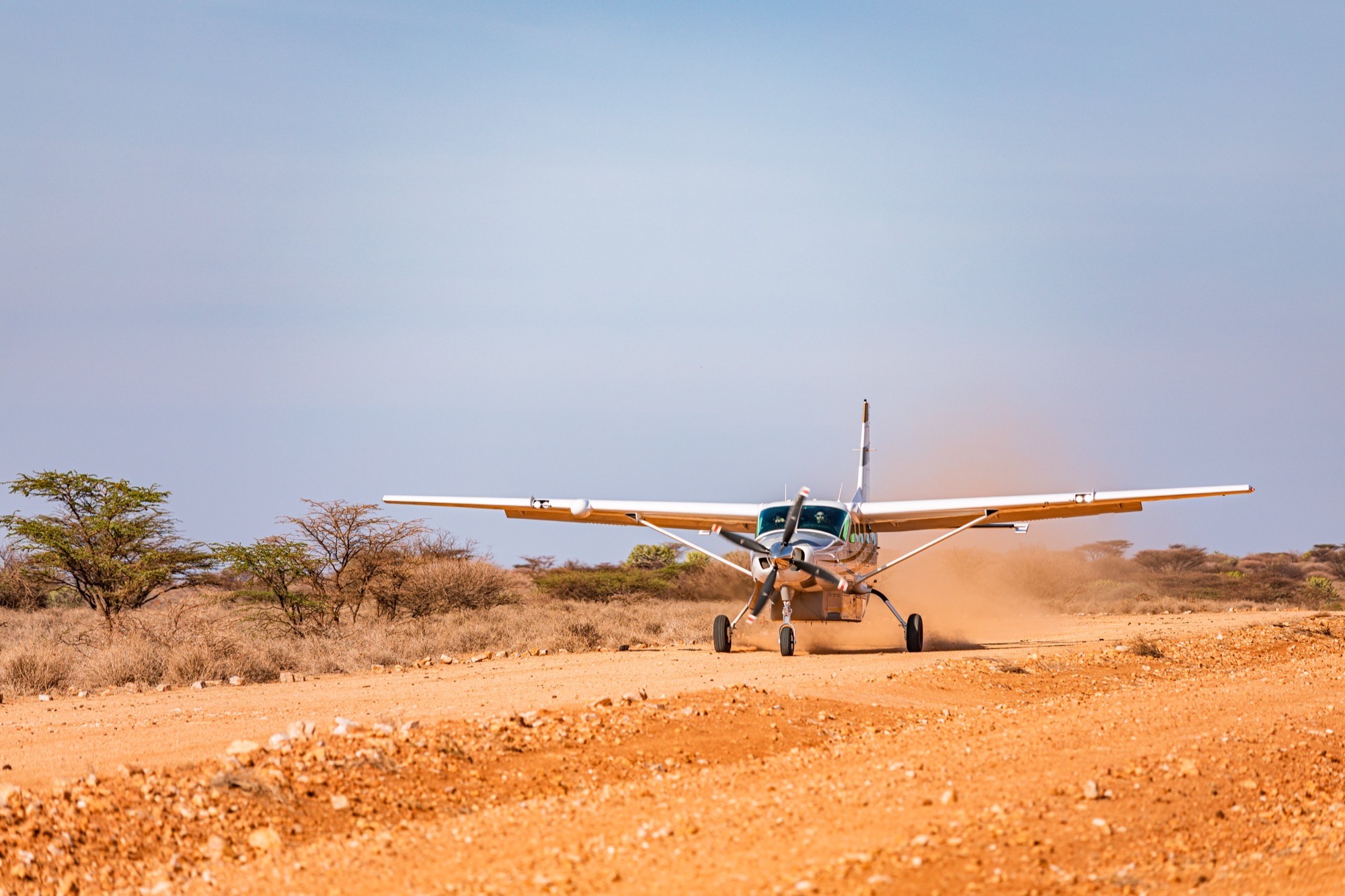
A return long-haul flight is comfortably the largest environmental cost of your journey, larger than everything that happens on the ground combined. No amount of solar power at camp changes that arithmetic, and any operator who tells you otherwise is selling comfort rather than truth.
What can be said honestly is this. The land you are flying to is protected because photographic tourism makes protecting it more valuable than converting it to cattle, crops, or hunting. Remove the travelers and that economic case weakens fast. The pandemic showed it in both directions: subsistence and bushmeat poaching rose across much of the continent as local livelihoods disappeared, even as rhino poaching in South Africa fell by a third during hard lockdown when movement itself was restricted. What did not survive the closures was the revenue that pays rangers. Your presence is not incidental to the conservation model. It is the funding mechanism.
Carbon offsets are worth buying and worth being skeptical about; quality varies enormously and the good ones cost more than the cheap ones for obvious reasons. The more meaningful lever is the shape of the trip itself. Fewer, longer, deeper journeys, with three nights minimum in each camp rather than a night here and a night there, reduce both the internal flying and the strain on the places you visit. It is also, not coincidentally, the better trip. For how to build one that way, read Best Time to Go on Safari.
"Does traveling responsibly mean compromising on anything?"
The opposite. Privacy, silence, unhurried sightings, wildlife at ease and guides with deep local knowledge are the real luxuries, and conservation done properly makes them. The compromise comes where conservation is a veneer: crowds, vehicle queues, wildlife keeping its distance. Safari Wildlife Encounters covers what you'll see, and where.
Reverie Safaris was featured in National Geographic's 2026 guide, "How to choose a responsible safari."
Few clients arrive asking about impact. Midway through the trip, often around a fire, a guide explains what the conservation levy protects, and those dawn tracks make sense. So does the bill. They leave proud of where their money went. That pride never shows on an invoice, and it is one of the most valuable things we deliver.
Choose well, and the trip of your life and the future of these landscapes fund each other. Your tracks will be gone in a few days. The lion's will be back by morning. Ask us for your ten minutes on his road.
The Printable Safari Packing Checklist
Four designed pages, free: the complete checklist, the landscape palette, packing by season, and traveling with children. Tell us where to send it.
Read Further



We Start by Listening
Tell us who is coming, what pace feels restorative and what privacy means to you. We apply the standards in this guide to every camp before it reaches your proposal.

" height="6.799809999999999px" id="UnPIFpqy2" transform="translate(4.733 4.667)" width="6.799800000000001px"/><path d="M 0.8 0 C 1.267 0 1.6 0.4 1.6 0.8 C 1.6 1.267 1.266 1.6 0.8 1.6 C 0.333 1.6 0 1.267 0 0.8 C 0 0.334 0.333 0 0.8 0 Z" fill="rgb(165, 176, 170)" height="1.6000999999999999px" id="wjKJl84P4" transform="translate(10.867 3.733)" width="1.6000999999999994px"/><path d="M 7.333 0 C 8.533 0 8.8 0.067 9.4 0.067 C 10.467 0.134 11.466 0.4 12.2 1.133 C 12.933 1.867 13.2 2.867 13.267 3.934 C 13.333 4.533 13.333 4.8 13.333 6 L 13.333 7.333 C 13.333 8.533 13.267 8.8 13.267 9.4 C 13.2 10.467 12.933 11.467 12.2 12.2 C 11.466 12.933 10.467 13.2 9.4 13.267 C 8.8 13.333 8.533 13.334 7.333 13.334 L 6 13.334 C 4.8 13.334 4.533 13.267 3.933 13.267 C 2.8 13.2 1.867 12.933 1.133 12.2 C 0.4 11.467 0.133 10.467 0.066 9.4 C 0 8.8 0 8.533 0 7.333 L 0 5.934 C 0 4.734 0.066 4.467 0.066 3.867 C 0.066 2.8 0.333 1.867 1.133 1.067 C 1.867 0.334 2.8 0.067 3.866 0.067 C 4.466 0 4.733 0 5.933 0 Z M 6.666 1.2 C 4.933 1.2 4.733 1.267 4 1.267 C 3.266 1.333 2.533 1.467 2 2 C 1.466 2.533 1.333 3.267 1.267 4 C 1.2 4.667 1.2 4.867 1.2 6.667 C 1.2 8.4 1.2 8.6 1.267 9.333 C 1.333 10.067 1.466 10.8 2 11.333 C 2.533 11.867 3.266 12 4 12.067 C 4.666 12.134 4.866 12.133 6.666 12.133 C 8.4 12.133 8.6 12.067 9.333 12.067 C 10.066 12 10.8 11.867 11.333 11.333 C 11.866 10.8 12 10.067 12.066 9.333 C 12.133 8.6 12.133 8.4 12.133 6.667 C 12.133 4.934 12.066 4.733 12.066 4 C 12 3.267 11.866 2.533 11.333 2 C 10.8 1.467 10.066 1.333 9.333 1.267 C 8.666 1.2 8.466 1.2 6.666 1.2 Z" fill="rgb(165, 176, 170)" height="13.3335px" id="W1sWTdVhE" transform="translate(1.467 1.467)" width="13.33300001940264px"/></svg>)
" height="12.000010000000001px" id="Px7drxAPR" transform="translate(4.133 2.134)" width="7.53329px"/></svg>)
" height="13px" id="RXaPy7s6t" transform="translate(0.838 1.5)" width="14.381208999999998px"/></svg>)
" height="11.99998861028647px" id="xgm2Ladnt" transform="translate(2.036 2)" width="11.92787px"/></svg>)
" height="9.26662px" id="tz2Esvrs4" transform="translate(1.467 3.567)" width="13.333300000000001px"/></svg>)