The Fundamentals
East Africa vs Southern Africa
Great herds on open plains, or private bush, delta and desert: Africa's two safari regions compared, season by season and country by country.

By Hans Arnesen, Founder of Reverie Safaris · Updated September 2026
East Africa vs Southern Africa: How to Choose
Great herds on open plains, or private bush, delta and desert: Africa's two safari regions compared, season by season and country by country.
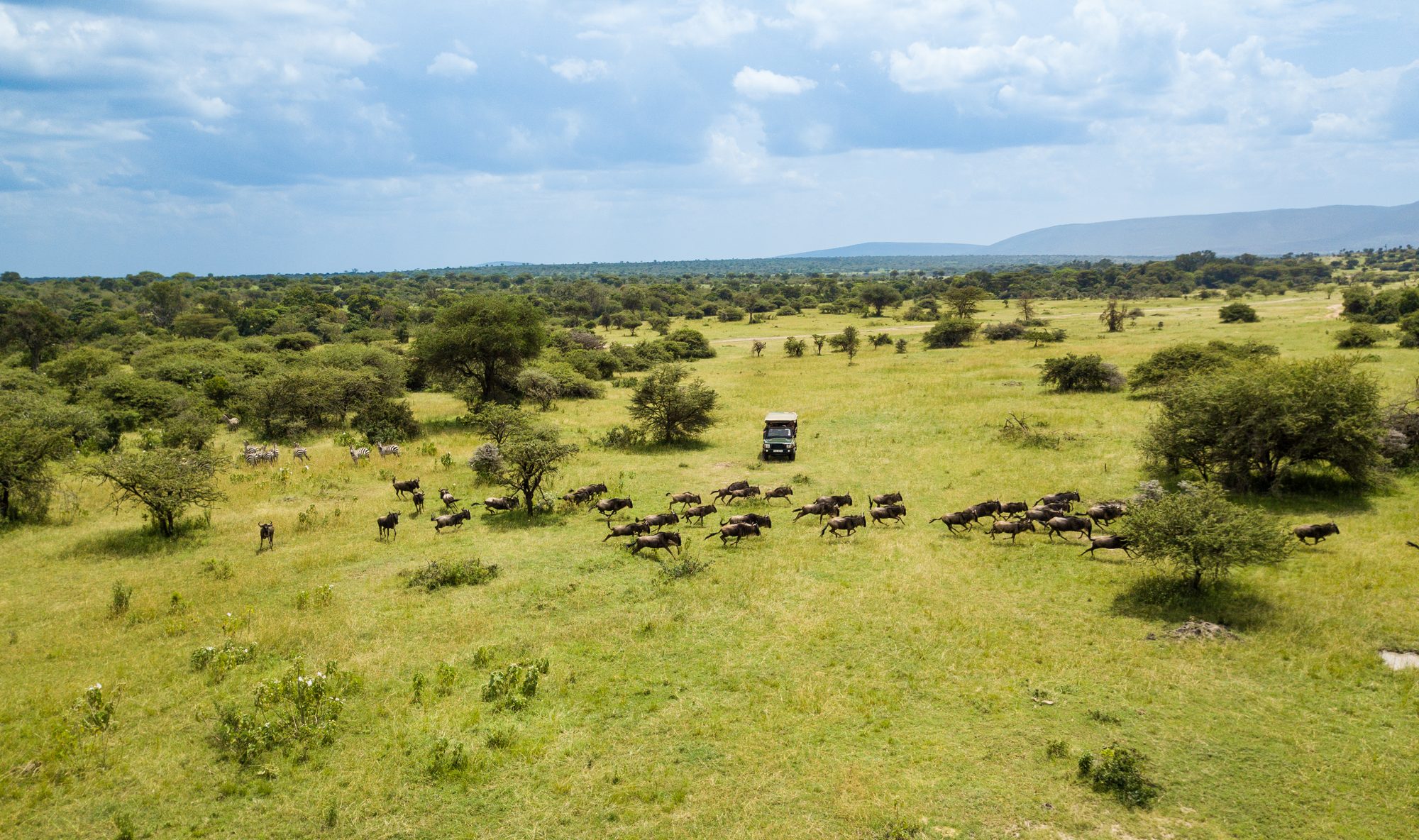
The first wildebeest throws itself off the far bank of the Mara River, and the rest follow because the rest always follow. The brown water goes white where they land. Dust boils up, the grunting swells to a roar, and along the near bank, a row of engines turns over at once.
The same morning, 1,500 miles south in the Okavango, your guide cuts the engine. You hear it tick as it cools, then a bird you can't see, then nothing for a long while. Along a limb of a sausage tree, a leopard opens one eye, decides you are not worth the trouble, and closes it. No one else is coming.
Both are Africa in August, and one has probably pulled at you already. The choice reaches us as a pair of countries (Kenya or South Africa, Tanzania or Botswana) and one question: is East Africa or Southern Africa better?
Neither region is the better safari. The difference is practical. For how the whole journey fits together, start with How to Plan an African Safari.
The Short Answer
Choose East Africa, meaning Kenya and Tanzania, for the classic picture: open plains, the Great Migration and vast herds, with mountain gorillas in Rwanda or Uganda a short flight away. Choose Southern Africa for privacy over volume: fewer vehicles, water and walking safaris, desert landscapes and, in South Africa, malaria-free reserves. South Africa is the easiest first safari and the simplest with young children, while Botswana, Zambia, Zimbabwe and Namibia reward travelers who want remoteness. June to October is excellent in both regions. January to March is calving season on the southern Serengeti, and November to March suits South Africa's reserves and the Cape's summer. With about two weeks, you can combine both.
Two Regions, Two Kinds of Safari
East Africa: The Great Herds
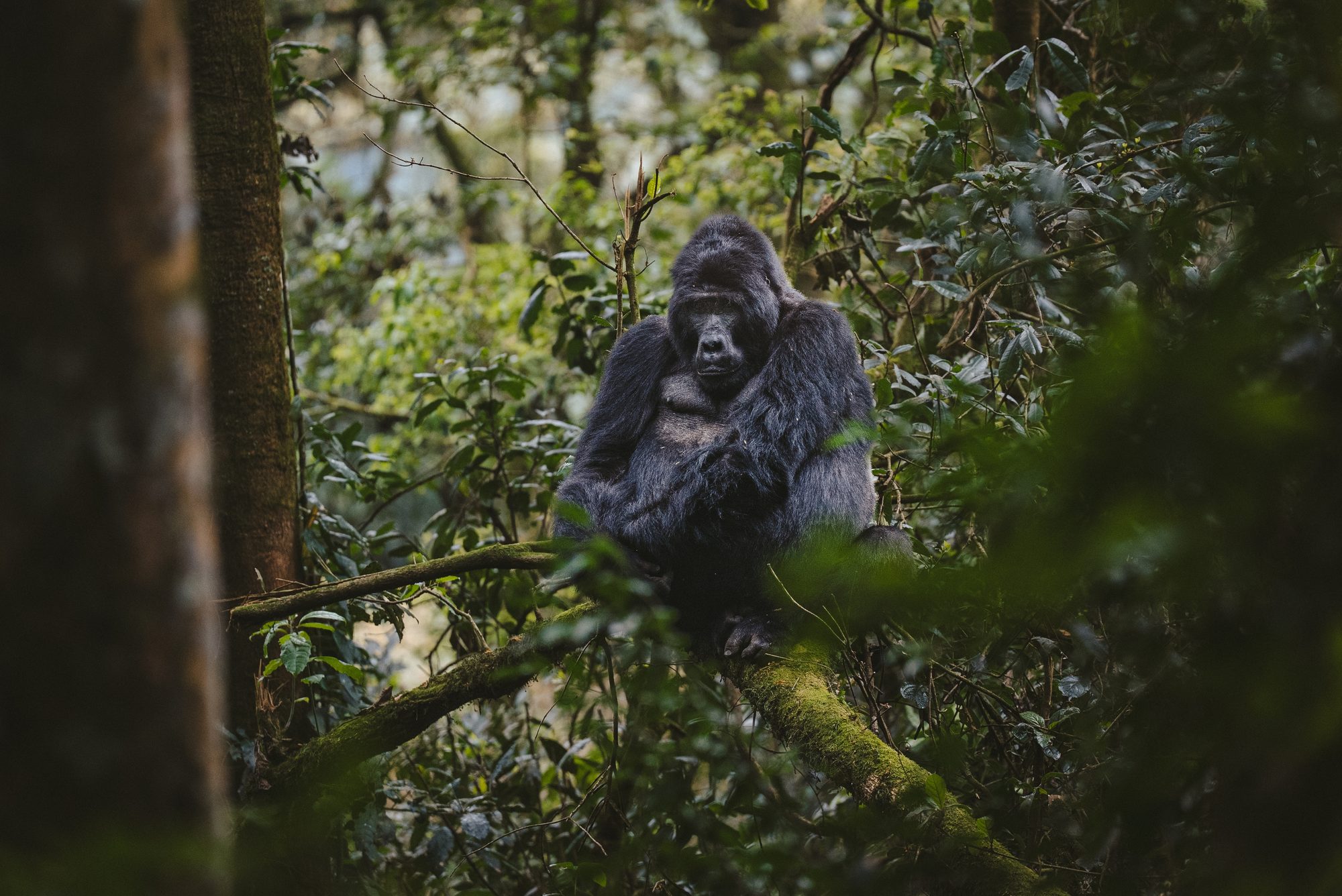
East Africa's safari country is mostly high, open savanna. The Serengeti alone covers about 5,700 square miles, roughly ten times the Maasai Mara National Reserve. The two share the Great Migration. Drive for an hour across the Serengeti's southern plains and the horizon hasn't moved. Ngorongoro Crater is one of the few places where you can see the Big Five in a single day. Northern Kenya's Samburu adds dry-country species such as Grevy's zebra and the gerenuk, and the forests of Rwanda and Uganda hold the mountain gorillas.
Southern Africa: Water, Bush and Desert
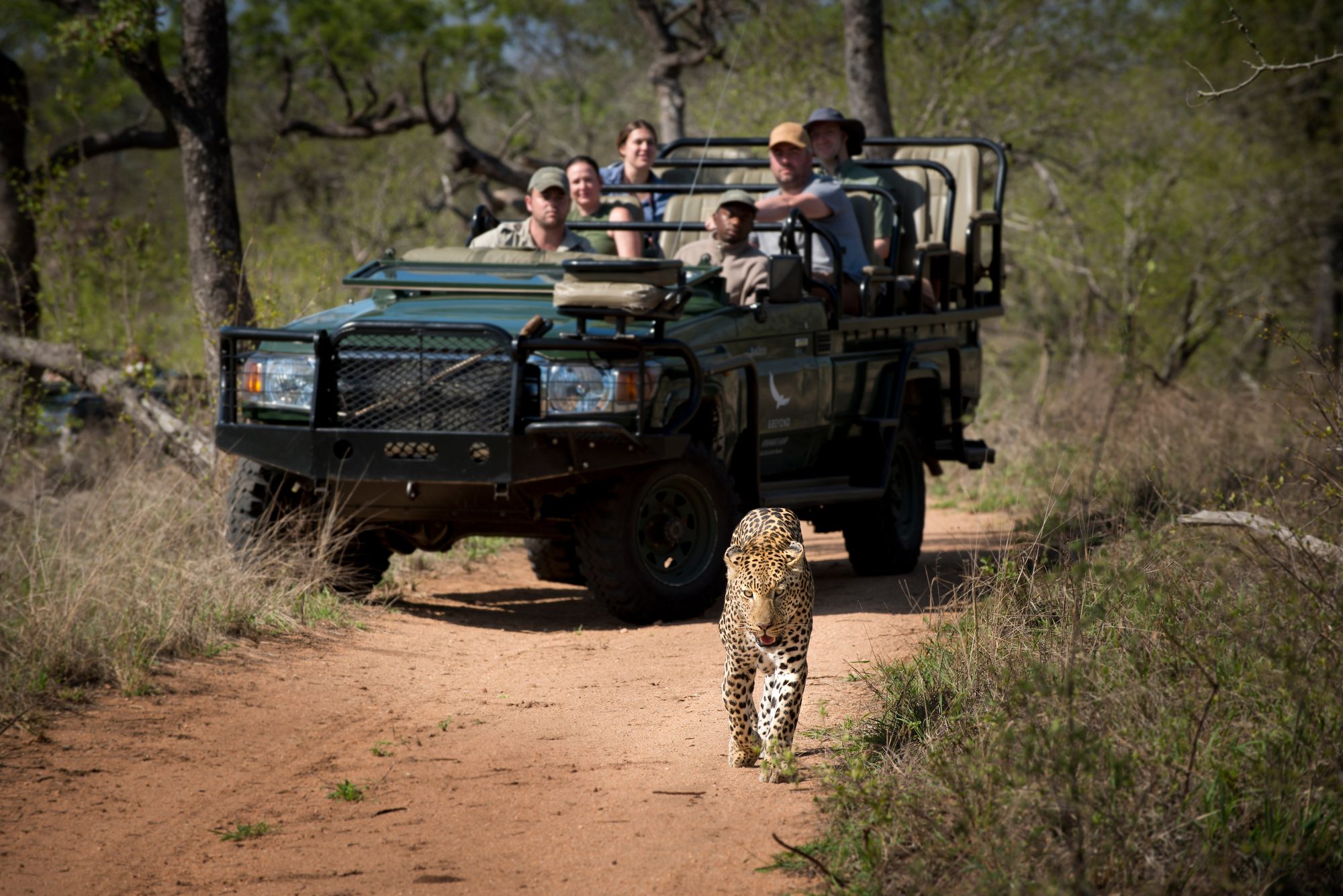
Southern Africa is two different trips. South Africa is the polished one. The Sabi Sand, which shares an unfenced border with Kruger National Park, gives some of the best odds anywhere of spotting the Big Five in one stay, leopard especially. Cape Town and the Winelands fit in the same itinerary.
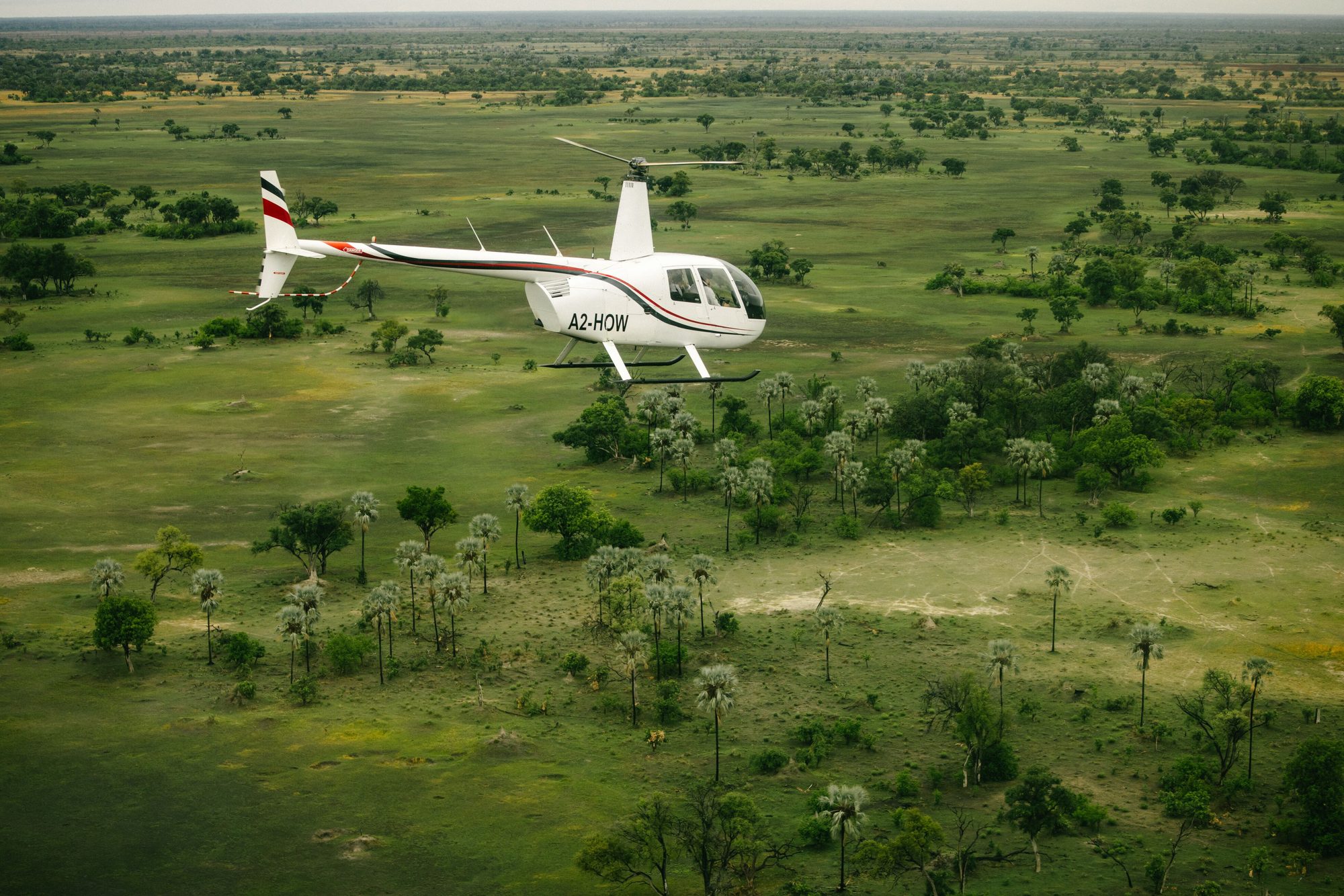
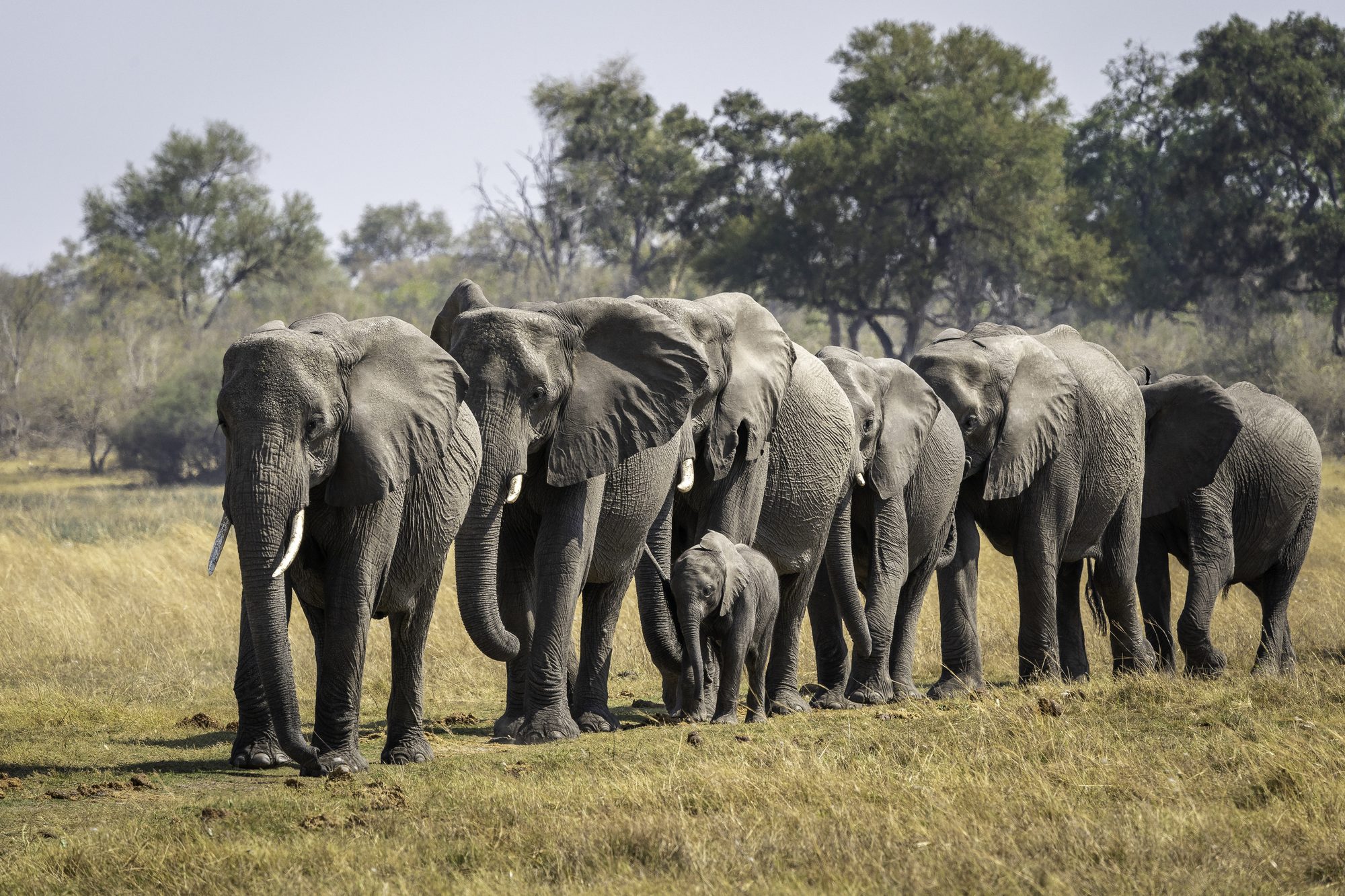
North of South Africa lie the wilder countries. Botswana's Okavango Delta floods in the dry season, supporting one of Africa's greatest concentrations of wildlife. A 2022 aerial survey estimated about 132,000 elephants in Botswana alone. On a dry-season evening, they come down to the Chobe in such numbers that the riverbank turns gray and starts to move. Namibia is landscape first: its dunes around Sossusvlei are among the tallest in the world, and its northwest has desert-adapted elephant and black rhino.
The camps differ too. East Africa mixes permanent tented camps and lodges with mobile camps that follow the Migration. Botswana's concession camps are small and fly-in. South Africa's private reserves lean toward exclusive-use villas and lodges of stone and glass. Zambia and Zimbabwe are walking-safari country. Their camps are generally simpler, but the guiding often rivals what you find in pricier destinations. To choose among them, read Where to Stay on Safari.
How You'll Watch Wildlife
Private land changes the rules. On a private reserve, conservancy or leased concession, guides may leave the track for a sighting, drive after dark and lead walks. Most of these areas allow only three to five vehicles at a sighting. Many national parks restrict or ban all three activities and carry heavier traffic. That is no reason to skip the Serengeti or Kruger.
East Africa: Parks and Conservancies
Inside the Maasai Mara National Reserve, off-road driving is restricted, and walks and night drives are not allowed. The 24 conservancies around it (Maasai-owned land leased to camps) together cover more ground than the Reserve and allow all three, with sightings typically capped at five vehicles. Tanzania's parks forbid off-road driving unless explicitly permitted, but concessions on the Serengeti's western edge, such as the Grumeti Reserves, allow it, along with walks and night drives.
The catch is the Migration. The river crossings lie inside the Reserve and the national park, where no conservancy cap applies. A September 2024 report put peak-season traffic across the northern Serengeti at about 600 vehicles a day, worst around the Kogatende crossings. In July 2025, vehicles blocked or scattered crossings on both sides of the border. Your vehicle takes its place in the line above the river, and everyone waits, sometimes for hours, for one wildebeest to find its nerve. A crossing is still worth the trip. It is rarely private.
Southern Africa: Private Land, Water and Foot
In Botswana, Moremi and Chobe keep vehicles on tracks and allow no night drives. The concessions leased to camp operators allow off-road driving, night drives and walks with armed guides. Kruger bans off-road driving. In the private reserves on its western edge, guides follow animals off-road and drive after dark, and a sighting typically holds no more than three vehicles.
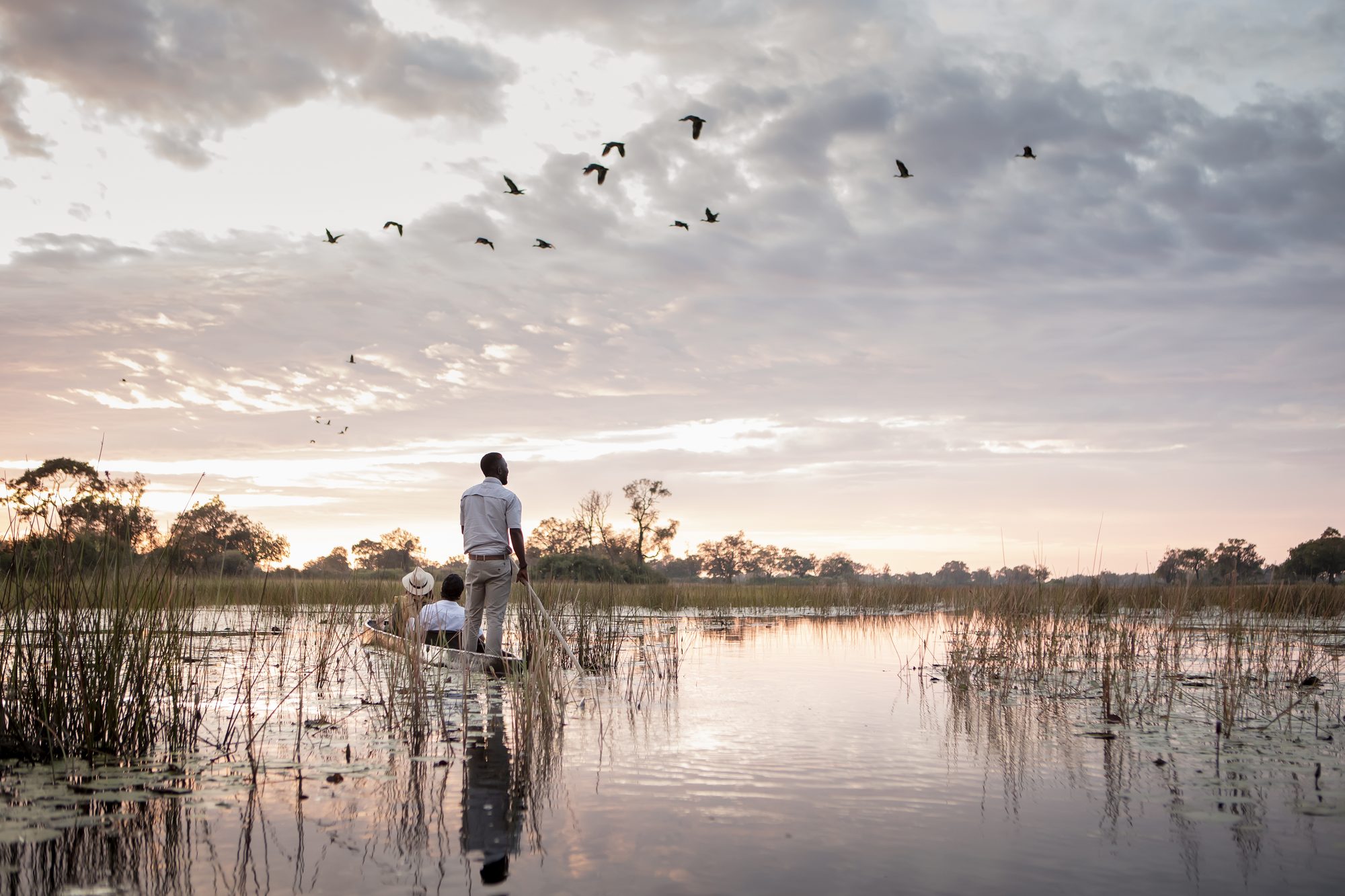
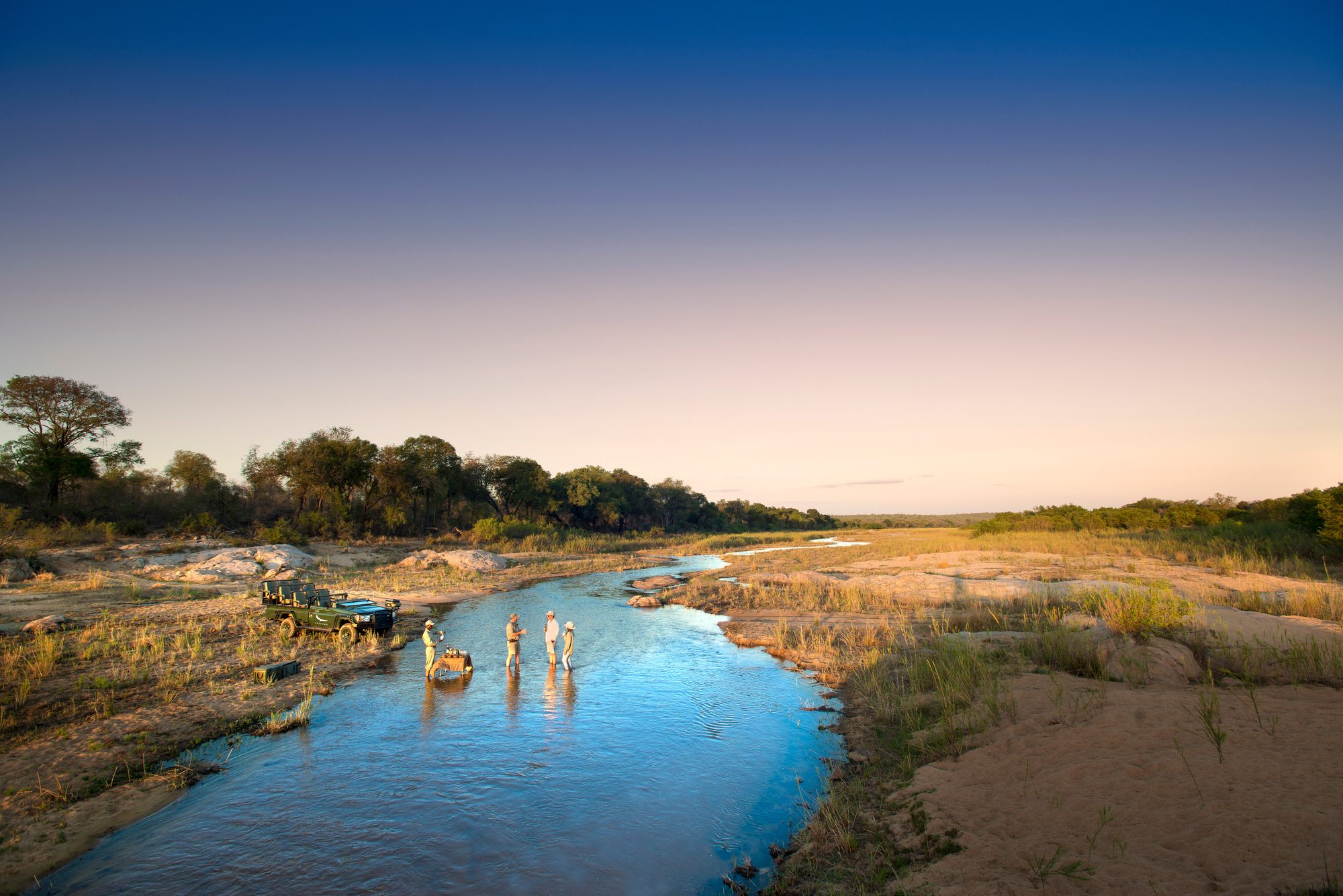
Southern Africa also offers what East Africa largely cannot. At high water, you cross the Okavango by mokoro (dugout canoe). You sit a hand's width above the waterline, close enough to trail your fingers through the lilies, and your poler asks you, politely, not to. On the Lower Zambezi and at Mana Pools, you take to the river by canoe. At South Luangwa, where the walking safari was pioneered, spotlit night drives run inside a national park. How to Choose a Conservation-Led Safari explains why private land matters.

When Each Region Is at Its Best
The dry season reaches Southern Africa first, in May, while East Africa's long rains usually clear by early June. From June to October, the two calendars run together. From November to May, they part ways, always bending to that year's rain.
January to March. In the east, this is calving season on the southern Serengeti, peaking in February, and Kenya has a quieter second dry spell. In the south, it is the green season, a time of heat, storms and newborns. Rates are lower in Botswana, and zebra gather on the Makgadikgadi and Nxai Pan. The Cape is at its driest and brightest, and most camps in Zambia and at Mana Pools are closed.
April and May. In the east, these are the long rains: the quietest weeks and the lowest rates. Some camps shut, and many of Zanzibar's beach lodges close in April. In the south, the dry season begins in May, and the Okavango's flood arrives from Angola.
June. Both regions are in the dry season, and June is often the best balance of conditions and price all year. The Cape's wet winter begins.
July to September. Each region is at its peak. In the east, this is the season of Migration crossings in the northern Serengeti and the Mara, most frequent in August. In the south, the Okavango is at high water, the season for mokoro, and whales are off the Cape from July to November. Book twelve to eighteen months ahead.
October. In the east, the herds begin turning south. In the south, it is Botswana's hottest month, with highs sometimes near 104°F, and predator viewing in Zambia and Zimbabwe is exceptional.
November and December. In the east, the short rains set in and the crowds leave the Mara. In the south, the bush greens and impala lambs arrive in a rush across the Greater Kruger. After the first real storm, flying termites rise from the ground at dusk on paper wings, and every bird for miles comes for them. At the Cape, summer begins. Rates everywhere peak over Christmas and New Year's.
The full calendar, country by country and with temperatures, is in Best Time to Go on Safari.
Getting There and Getting Around
Getting there is nearly a draw. As of September 2026, Kenya and South Africa are the only safari countries with nonstop flights from the US. Kenya Airways flies New York JFK to Nairobi in about 14 hours. Delta flies Atlanta to Johannesburg and Cape Town, and United flies Newark to both and Washington Dulles to Cape Town. Those flights take roughly 15 to 17 hours, with seasonal schedules. Everywhere else needs a connection, through Nairobi, Johannesburg or hubs such as Amsterdam, Istanbul, Addis Ababa, Doha and Dubai. From the West Coast, expect roughly 19 to 24 hours of flying either way, plus connections. Jet lag is nearly identical: in the US summer, Kenya and Tanzania sit ten hours ahead of California, and Southern Africa and Rwanda sit nine.
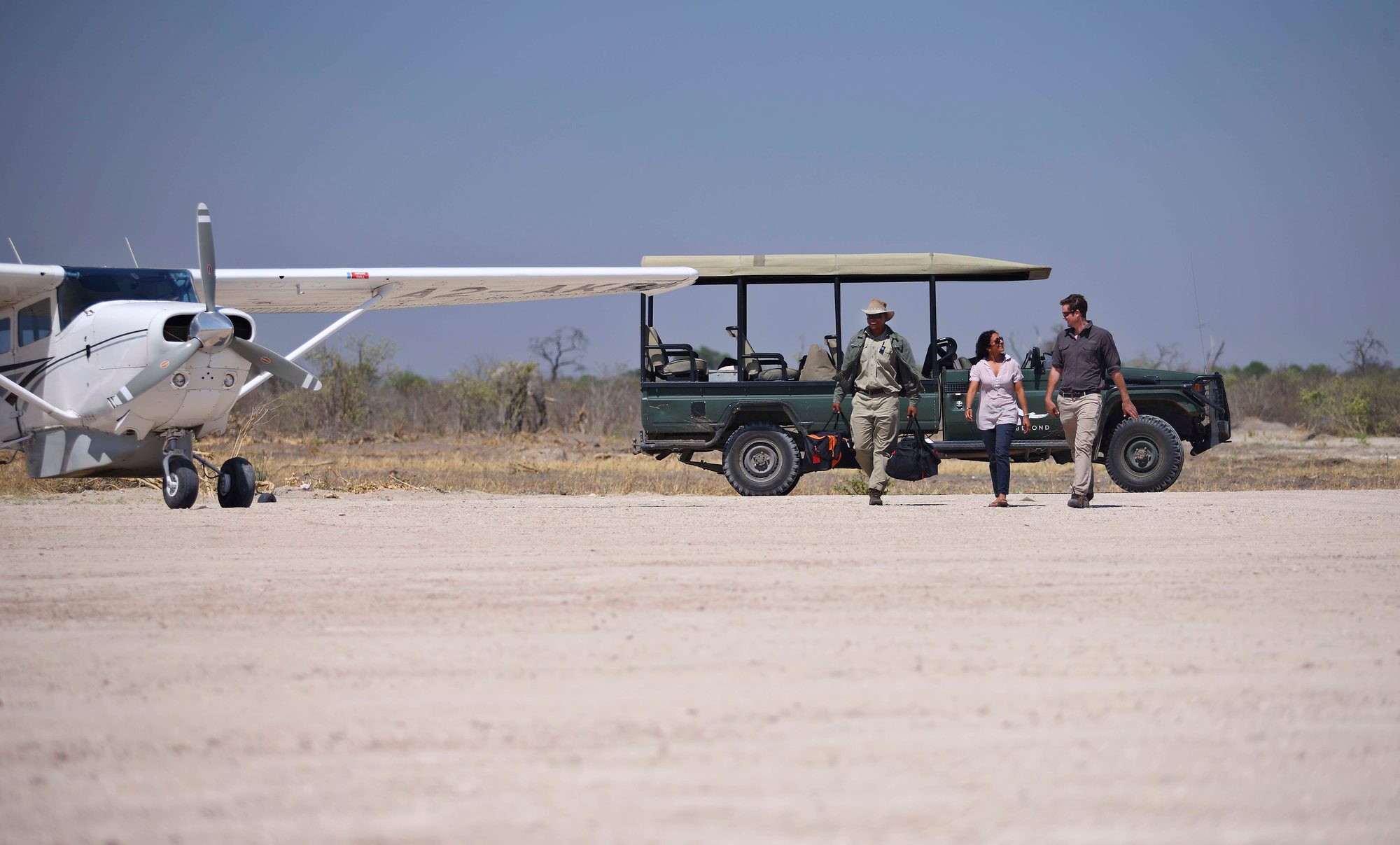
The real difference begins after you land. Light aircraft do the heavy lifting in both regions. Arusha to the Serengeti is about eight hours by road or an hour by air, and most Okavango camps are reached only by air. The strip at the other end is usually dirt, and the terminal is a windsock and a guide leaning on an open vehicle.
Weight limits usually include carry-on bags and your camera. The limit is typically 15 kilograms (33 lb) in soft bags on Kenyan and Tanzanian bush flights and 20 kilograms (44 lb) in Botswana, Zambia, Zimbabwe and Namibia, often with no wheels or frames. Our African Safari Clothing & Packing List covers what fits.
Malaria, Health and Entry
Malaria
The CDC advises antimalarials for Kenya's game parks, and for Tanzania below 1,800 meters (about 5,900 feet), Zanzibar included. It advises them for all of Rwanda, Uganda, Zambia, Zimbabwe and Mozambique. In Botswana, the advice covers the north and center, where the Okavango and Chobe lie. In Namibia, it extends to much of the north, including Etosha.
South Africa gives you a choice. The Greater Kruger is a malaria area, and the Sabi Sand is part of it. The risk is highest from November to April, but the CDC advises antimalarials year-round. The Eastern Cape, Madikwe and the Northern Cape's Kalahari are malaria-free.
What keeps these reserves clear is climate, not spraying. Malaria travels with Anopheles mosquitoes, which breed in standing water and need sustained warmth for the parasite to develop inside them. That is why transmission fades with altitude, in dry country and wherever winters turn cold. Malaria-free means the parasite isn't transmitted there, not that there are no mosquitoes, so repellent still earns its place in the bag. The Waterberg, home to Marataba and Welgevonden, is very low-risk, and the usual advice is to prevent bites rather than take tablets. Your physician makes the final call. Family Safari Lodges names our first choices in these reserves.
Yellow Fever: The Combination Trap
Kenya and Uganda are yellow fever risk countries; Tanzania, Rwanda and the Southern African countries are not. Kenya doesn't require the vaccine for travelers flying in directly from the US. But the CDC recommends it for everyone nine months and older, unless the trip stays within Nairobi, the far northeast or most of the coast. That recommendation covers every major safari region, so in practice a Kenya safari calls for the vaccine. Uganda requires a certificate from every arriving traveler aged one or older.
The trap is sequence. Arrive in Rwanda, Tanzania, South Africa, Botswana or most of their neighbors from Kenya or Uganda, even on a Mara-and-gorillas trip, and you need the certificate. A layover of more than 12 hours in Nairobi, Entebbe or Addis Ababa can trigger the rule too. For Botswana, a stop of any length can count. Without a certificate, South Africa can refuse entry or quarantine you for up to six days. Get vaccinated at least 10 days before arrival. The certificate is valid for life.
Entry, as of September 2026
Paperwork is lighter in the south. South Africa and Botswana are visa-free for Americans (South Africa's electronic travel authorization, launched August 12, 2026, is optional). Namibia has required a visa since April 1, 2025, and Zimbabwe issues visas on arrival. The KAZA UniVisa covers Zambia and Zimbabwe for up to 30 days, plus Botswana day trips through Kazungula.
In the east, Kenya requires an eTA (electronic travel authorization) for every traveler. Tanzania requires a one-year multiple-entry visa, which covers Zanzibar. Uganda requires an e-visa, and Rwanda issues visas on arrival. Zanzibar also requires a government-issued insurance policy for visitors, separate from your own. From October 1, 2026, the mainland does too, so you may need one or both.
Why the Cost Differs
At the level we design, plan from $1,500 per person per day for everything on the ground: camps, meals, bush flights, transfers and every gratuity. International flights are separate. Above that starting point, the same four levers set the price everywhere: season, exclusivity, remoteness and party size. In East Africa, government park fees are a significant, visible part of the bill. In Botswana and South Africa, they are modest. You pay instead for the camp and the land it controls.
East Africa's fees are mostly per person per day, and the Serengeti adds a nightly concession fee for anyone sleeping inside the park. Ngorongoro charges per vehicle for the crater descent, so a party of two pays more per person. As of September 2026, the Maasai Mara Reserve's daily fee roughly doubles from July to December. In the Mara conservancies, fees are folded into the camp rate, which also covers the lease paid to Maasai landowners. The cattle bells that wake you some mornings belong to the families whose land you're sleeping on. Our proposals include every one of these fees.
Botswana follows a high-value, low-volume tourism policy: fewer beds at higher prices, so fewer people share each stretch of wilderness. In February 2026, the tourism minister called the country's park fees among the lowest in the region, and a proposed increase was postponed in May 2026. The premium sits in exclusive concessions, small camps and the aircraft that reach them.
By season, East Africa is least expensive in April and May, and the Okavango from January to March, once the holidays are over. How Much Does a Luxury Safari Cost? does the arithmetic.
What Pairs Well With Each Region
East Africa's companions. Zanzibar is the natural finish, reached by light aircraft from the Serengeti's airstrips. Then there are the gorillas. Rwanda's Volcanoes National Park is about two and a half hours by road from Kigali. Each habituated family receives no more than eight visitors a day, for one hour, at a distance of at least seven meters (about 23 feet). Seven meters sounds like plenty until a silverback turns to look at you. Uganda's Bwindi shelters nearly half the world's mountain gorillas, with treks of two to seven hours. There is more in our Rwanda and Uganda safari guide.
Southern Africa's companions. Namibia and Botswana make a strong desert-and-delta journey. On a Botswana and Victoria Falls circuit, though, Namibia mostly adds distance. Victoria Falls is fullest around March and April, when spray can hide the view, and lowest from October to December, when the Zambian side can shrink to rivulets. Cape Town and the Winelands follow the opposite calendar from the bush: wet from June to August, driest and brightest from December to February. Our South Africa safari guide goes further.
The beaches. Zanzibar brings Swahili history. Mozambique's islands offer remote beaches and diving. Mauritius and the Seychelles have polished resorts. Mozambique's Bazaruto Archipelago is best from June to October, in step with the safari season. Mauritius connects through Johannesburg and Cape Town, while the Seychelles connects through Johannesburg or Nairobi and pairs with either region.

Who Each Region Suits
A first safari. Kenya or Tanzania holds the picture most people carry in their heads. South Africa works as a one-country trip, with smooth logistics and a city at one end.
Families with young children. South Africa's malaria-free reserves are the easiest start. Elsewhere, many lodges welcome children six and older, and some set a minimum age of twelve for shared game drives. Walking safaris usually start at sixteen, and gorilla trekkers must be at least fifteen. The US summer falls in the dry season in both regions. East Africa suits children who cope well with long drives and antimalarial tablets. In December and the weeks around Easter, head for South Africa's malaria-free reserves and the Cape.
Multi-generational groups. An exclusive-use villa with its own vehicle and guide keeps everyone together at a pace that fits every generation, and South Africa's private reserves have many. For children and grandparents alike, read Luxury Family Safaris.
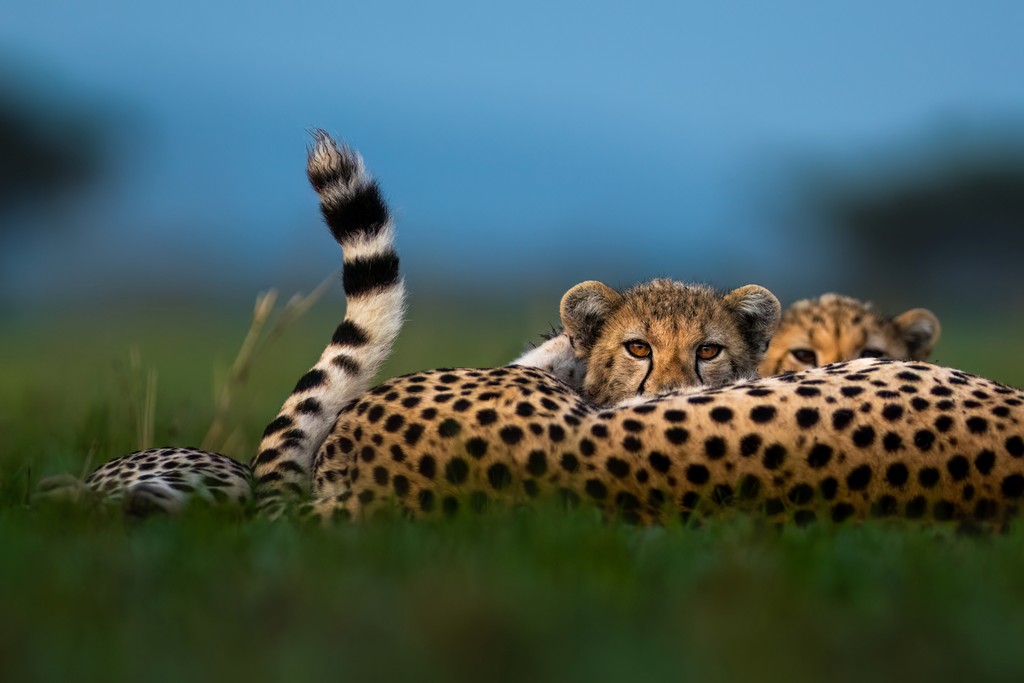
Photographers. The Mara conservancies and Botswana's concessions let a guide position the vehicle off-road. Namibia is the landscape photographer's country. At first light, each dune splits along its crest, one face lit apricot, the other still blue with night.
Honeymooners. Pair Tanzania with Zanzibar, the Okavango with Victoria Falls and Mauritius, or the Sabi Sand with the Winelands.
Return travelers. Look to Botswana's concessions, walking in South Luangwa or Mana Pools, Namibia's desert, or Kenya's quieter north in Laikipia and Samburu.
Country vs Country
Kenya vs Tanzania
Tanzania has the space: the Serengeti dwarfs the Mara Reserve, and Ngorongoro Crater is next door. The January to March calving has no Kenyan equivalent on that scale. The herds spend most of the year on Tanzanian ground and reach the Mara only in the dry season.
Kenya has the variety: the Mara conservancies, Laikipia's rhino, Samburu and Amboseli. As of September 2026, it also has the only US nonstop to East Africa. Kilimanjaro itself stands in Tanzania, but the classic safari view of it is from Amboseli, looking south across the border. The view is clearest early and late in the day. For July to September crossings, either works. For January to March, choose Tanzania.
Tanzania vs Botswana
Tanzania means scale: herds to the horizon, crossings and calving, and national parks where you share the big moments. Botswana means intimacy: water, fewer animals in any one view, and concessions where another camp's vehicle is rare, all at a higher nightly cost. A hippo crops grass on the other side of your canvas wall, and you lie in the dark listening to every mouthful. A first Migration safari points to Tanzania. A second safari, or a dislike of crowds, points to Botswana.
Kenya vs South Africa
The two easiest safaris to reach from the US are about as different as safaris get. Kenya is the open-plains safari, with the Migration and Rwanda's gorillas close at hand. South Africa is safari plus everything else: reserves with excellent odds of seeing the Big Five, Cape Town and the Winelands, and malaria-free options.
Kenya calls for antimalarials, and the CDC recommends a yellow fever vaccine for most of the country. South Africa needs no yellow fever vaccine when you fly in from the US, and its malaria-free reserves need no tablets. With children under twelve, South Africa usually wins. For the great herds, Kenya and Tanzania do.
South Africa vs Botswana
South Africa is the easier, more varied trip: smooth logistics, a city and wine country in one itinerary, malaria-free options, and Greater Kruger reserves that are excellent all year. Botswana is wilder and more singular: the Okavango's water and its flood from about May into September, vast elephant numbers and fly-in camps. It also has malaria across the north and center, and the solitude costs more. Many trips use both, flying from Johannesburg or Cape Town to Maun. Our Botswana safari guide has more.
When to Combine Both Regions
Combining the regions works best on trips of about two weeks, with room for at least two stops in each. On shorter trips, a second region costs more than it gives: a long flight day, a second set of entry rules and often a night in a city.
The connections are good: Nairobi to Johannesburg is about four hours, and as of September 2026, Nairobi also has flights to Cape Town, Victoria Falls and Kigali. Gorillas and the Mara, then Cape Town and the Okavango, is a well-tested route. The Ultimate Safari follows it in fourteen days. Your boots carry forest mud from the gorilla slopes and grass seed from the Mara, and on a deck in the Delta, they finally come off.
East Africa vs Southern Africa Questions, Answered
Is East Africa or Southern Africa better for safari?
Neither is better overall; they suit different trips. East Africa, mainly Kenya and Tanzania, is best for the great herds and the Great Migration, with gorillas close by. Southern Africa is best for fewer vehicles, water and walking safaris, and desert landscapes. South Africa's malaria-free reserves are the simplest choice with young children.
Is Kenya or Tanzania better for safari?
Tanzania has more space, Ngorongoro Crater, the January to March calving and the herds for most of the year. Kenya has the Mara conservancies, with off-road driving, walks and night drives. As of September 2026, it also has the only US nonstop to East Africa. For July to September river crossings, both are excellent.
Where can you see Mount Kilimanjaro on safari?
In Kenya's Amboseli National Park, just north of the Tanzanian border. The mountain stands in Tanzania, but the country's main safari parks, the Serengeti and Ngorongoro, are too far away to see it. On clear days, it is also visible from Arusha National Park and the West Kilimanjaro area. The summit is usually clouded from late morning to late afternoon, so plan on early and late game drives.
Why is a Botswana safari so expensive?
Botswana deliberately limits how many people share its wilderness. It leases concessions to operators and caps the number and size of camps, most of them small and fly-in. Park fees are modest; the premium pays for exclusivity and remoteness.
Where can you go on safari without malaria?
In South Africa, the Eastern Cape, Madikwe and the Northern Cape's Kalahari are malaria-free, and the Waterberg is very low-risk. In Namibia, the CDC advises no antimalarials for Sossusvlei and the coast. Plan on antimalarials for East Africa's safari areas, Zambia, Zimbabwe, northern and central Botswana and the Greater Kruger.
Do you need a yellow fever vaccine for an African safari?
If you travel from the US to Tanzania, Rwanda or Southern Africa without time in Kenya or Uganda, you need no certificate. The exception is a connection through Nairobi, Entebbe or Addis Ababa. Most countries count a layover past 12 hours, Botswana can count any stop, and Rwanda's rule names no time limit. Kenya doesn't require the vaccine when you fly in from the US, but the CDC recommends it for every major Kenya safari region. If you fly on from Kenya or Uganda to Tanzania, Rwanda or almost any Southern African country, you need the certificate. Uganda requires it of every traveler aged one or older. The certificate is valid for life.
Where to Begin
Go back to the river, and to the sausage tree. The engines that start together on the Mara are the price of the crossing. The one that ticks into silence in the Okavango is what the Botswana premium buys. Neither is the wrong morning. Three facts tend to decide between them: the months you can travel, who is coming with you, and how you feel about sharing a sighting. Settle those and the region is usually clear. The country, the camps and the sequence follow, and we will tell you plainly when the right answer is the less obvious one.
The other region will still be there, often as the obvious second journey. The herds will come back to the river on the rain's schedule, and the leopard will go on ignoring whoever pulls up next. If one of those mornings is still pulling at you, tell us which.
The Printable Safari Packing Checklist
Four designed pages, free: the complete checklist, the landscape palette, packing by season, and traveling with children. Tell us where to send it.
Read Further



Ready to Choose Your Africa?
Tell us when you can travel, who is coming and what you most want to see. We'll match you to the region, the countries and the camps that fit, or show you how to combine both.

" height="6.799809999999999px" id="UnPIFpqy2" transform="translate(4.733 4.667)" width="6.799800000000001px"/><path d="M 0.8 0 C 1.267 0 1.6 0.4 1.6 0.8 C 1.6 1.267 1.266 1.6 0.8 1.6 C 0.333 1.6 0 1.267 0 0.8 C 0 0.334 0.333 0 0.8 0 Z" fill="rgb(165, 176, 170)" height="1.6000999999999999px" id="wjKJl84P4" transform="translate(10.867 3.733)" width="1.6000999999999994px"/><path d="M 7.333 0 C 8.533 0 8.8 0.067 9.4 0.067 C 10.467 0.134 11.466 0.4 12.2 1.133 C 12.933 1.867 13.2 2.867 13.267 3.934 C 13.333 4.533 13.333 4.8 13.333 6 L 13.333 7.333 C 13.333 8.533 13.267 8.8 13.267 9.4 C 13.2 10.467 12.933 11.467 12.2 12.2 C 11.466 12.933 10.467 13.2 9.4 13.267 C 8.8 13.333 8.533 13.334 7.333 13.334 L 6 13.334 C 4.8 13.334 4.533 13.267 3.933 13.267 C 2.8 13.2 1.867 12.933 1.133 12.2 C 0.4 11.467 0.133 10.467 0.066 9.4 C 0 8.8 0 8.533 0 7.333 L 0 5.934 C 0 4.734 0.066 4.467 0.066 3.867 C 0.066 2.8 0.333 1.867 1.133 1.067 C 1.867 0.334 2.8 0.067 3.866 0.067 C 4.466 0 4.733 0 5.933 0 Z M 6.666 1.2 C 4.933 1.2 4.733 1.267 4 1.267 C 3.266 1.333 2.533 1.467 2 2 C 1.466 2.533 1.333 3.267 1.267 4 C 1.2 4.667 1.2 4.867 1.2 6.667 C 1.2 8.4 1.2 8.6 1.267 9.333 C 1.333 10.067 1.466 10.8 2 11.333 C 2.533 11.867 3.266 12 4 12.067 C 4.666 12.134 4.866 12.133 6.666 12.133 C 8.4 12.133 8.6 12.067 9.333 12.067 C 10.066 12 10.8 11.867 11.333 11.333 C 11.866 10.8 12 10.067 12.066 9.333 C 12.133 8.6 12.133 8.4 12.133 6.667 C 12.133 4.934 12.066 4.733 12.066 4 C 12 3.267 11.866 2.533 11.333 2 C 10.8 1.467 10.066 1.333 9.333 1.267 C 8.666 1.2 8.466 1.2 6.666 1.2 Z" fill="rgb(165, 176, 170)" height="13.3335px" id="W1sWTdVhE" transform="translate(1.467 1.467)" width="13.33300001940264px"/></svg>)
" height="12.000010000000001px" id="Px7drxAPR" transform="translate(4.133 2.134)" width="7.53329px"/></svg>)
" height="13px" id="RXaPy7s6t" transform="translate(0.838 1.5)" width="14.381208999999998px"/></svg>)
" height="11.99998861028647px" id="xgm2Ladnt" transform="translate(2.036 2)" width="11.92787px"/></svg>)
" height="9.26662px" id="tz2Esvrs4" transform="translate(1.467 3.567)" width="13.333300000000001px"/></svg>)