Designing Your Safari
What to Do on Safari
The art of encounter, or why less is almost always more.
By Hans Arnesen, Founder of Reverie Safaris · Updated September 2026
What to Do on Safari
The art of encounter, or why less is almost always more.
There's a story our guides tell about two couples who came the same week, stayed at the same camp, and saw mostly the same animals. One returned calling it the trip of their lives; the other felt vaguely disappointed, and couldn't say why.
The difference wasn't what they saw. It was how they encountered it.
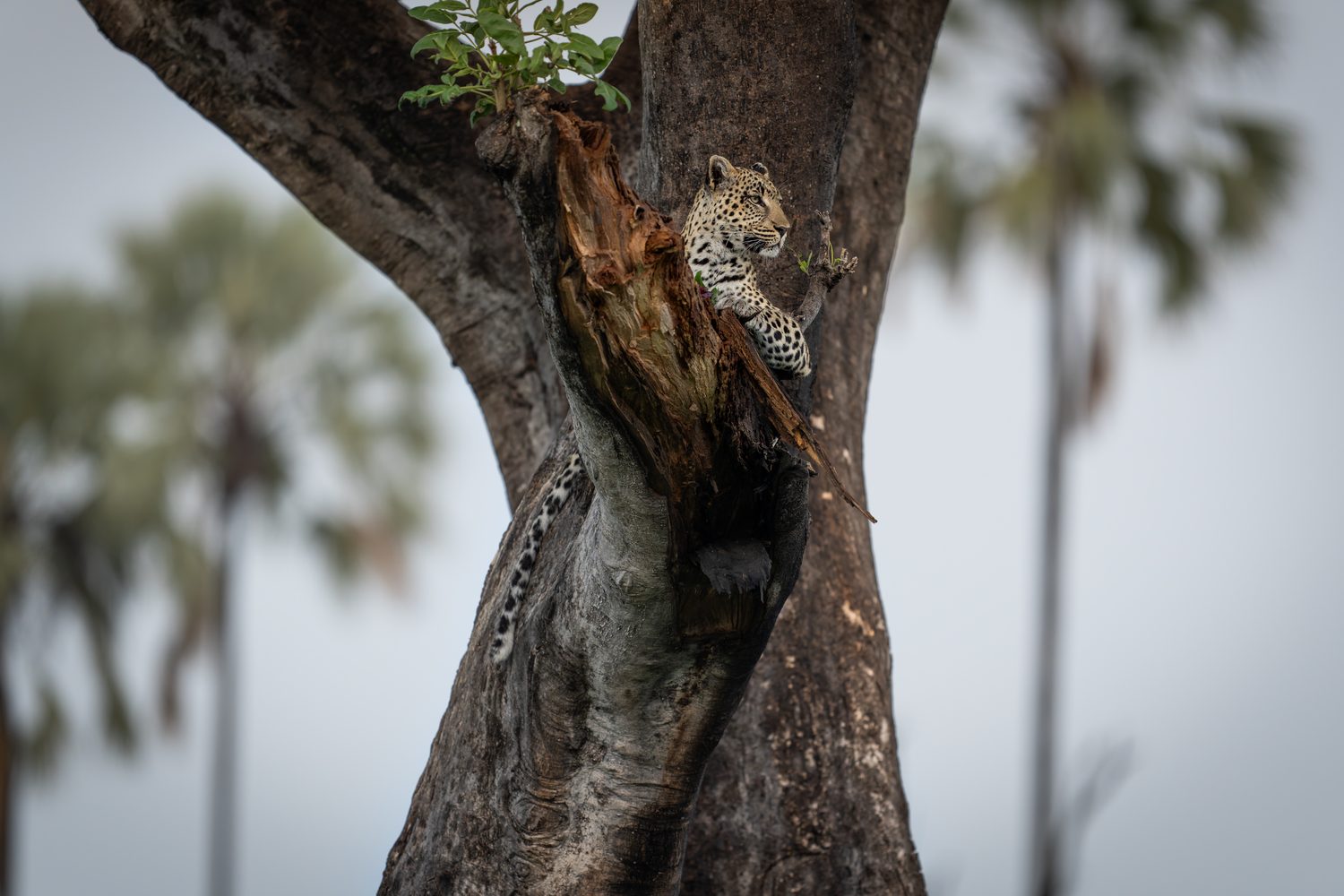
The first couple spent an entire day with a leopard. They arrived at dawn while she was still draped over a branch, sleeping off the night's hunt, stayed through the heat when she barely moved, and waited until late afternoon, when she descended and led them to cached prey they would have driven straight past. One animal, most of a day. They came home with two hundred photographs of her in every quality of light, and with an understanding of how waiting reveals what rushing conceals.
The second couple saw three leopards that week, fifteen minutes at each, photographed and checked off, because the list in their heads still had species on it. They returned with more sightings and less to say about any of them.
This is what people get wrong about safari. They treat it as a menu, a set of activities to sample so nothing is missed. But safari isn't about maximizing. It's about matching the pace and perspective of your days to the way you actually pay attention. This guide covers what there is to do, and more usefully, how to choose among it. For where each experience happens, see Safari Destinations; for how the seasons change what's possible, read Best Time to Go on Safari.
The Short Answer
Game drives at dawn and late afternoon are the spine of almost every safari. In the right places they are joined by walking safaris, night drives, photographic hides, mokoro and boat trips, fishing, horseback safaris, hot-air balloon and helicopter flights, gorilla and chimpanzee trekking, and a night in a star bed.
Two outings a day is the right number. What is on offer depends entirely on where you stay, which is why we choose camps for their activities rather than adding activities to a camp. The travelers who come home happiest did fewer things and stayed longer at each one.

The Philosophy of Encounter
Most safari planning treats activities like a buffet: walking safaris here, balloon flights there, a mokoro ride, a photographic hide, a cultural visit. People feel pressure to try everything for fear of missing something essential.
What we have learned is that the travelers who come home most satisfied are not the ones who did the most. They are the ones who understood what kind of attention they wanted to bring and designed their days around it.
Some people need motion: covering ground, seeing variety, the satisfaction of landscapes accumulated. Others need stillness: hours in one place watching behavior unfold. Some want the reassurance of distance and observation. Others want proximity, and the heightened awareness that comes from being a participant rather than a spectator. None of these is better. The only mistake is assuming you should do everything, or that more activities make a richer trip.
Game Drives, By Day and After Dark
The Game Drive
The game drive is safari's foundational rhythm, the structure most days are built around. You sit in an open vehicle, raised above the ground and, crucially, ignored. Wildlife has long since learned that vehicles are neutral, so animals carry on with their lives around you as though you were a termite mound: present, but irrelevant to anything that matters.
That distance creates reassurance, but also perspective. You see animals and landscape together, cover real ground, and can find several species in a single morning. You are dry when it rains, warm when it is cold, and your camera gear rides beside you. For first-timers, families with young children and anyone for whom physical challenge would get in the way of the experience, this is exactly right. The vehicle does not diminish the encounter. It lets you relax into it.
Night Drives
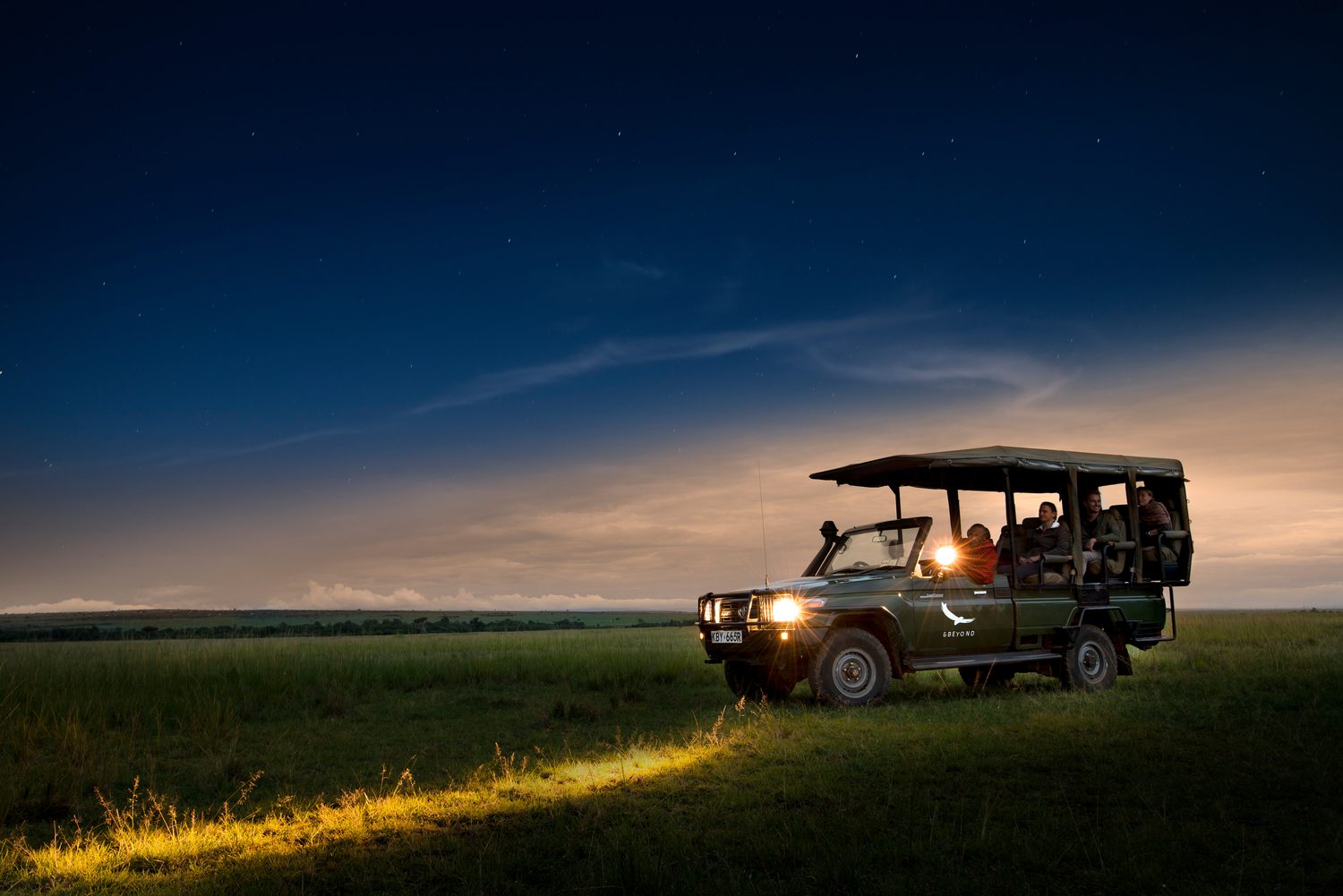
After dark the bush changes shift. A guide sweeps a spotlight across the grass, red-filtered at the better camps so as not to dazzle the animals, and the eyes that come back belong to creatures you will rarely see by day: genets and civets, bushbabies, porcupines, predators beginning the work of the night, and, very rarely, an aardvark or a pangolin. A leopard walking the edge of the beam is a different animal from the one sleeping in a tree at noon.
Where you stay decides whether this is possible, and the rules vary more than most people expect. Some of the most famous parks allow no night drives at all, including the Serengeti and the Maasai Mara National Reserve. Others permit them only from specific licensed camps. Private reserves and conservancies are where they become a routine part of the day. It is one of the quieter reasons we lean on conservancies, and it is part of the argument in How to Choose a Conservation-Led Safari.
Walking Safaris
A walking safari inverts every assumption the vehicle establishes.
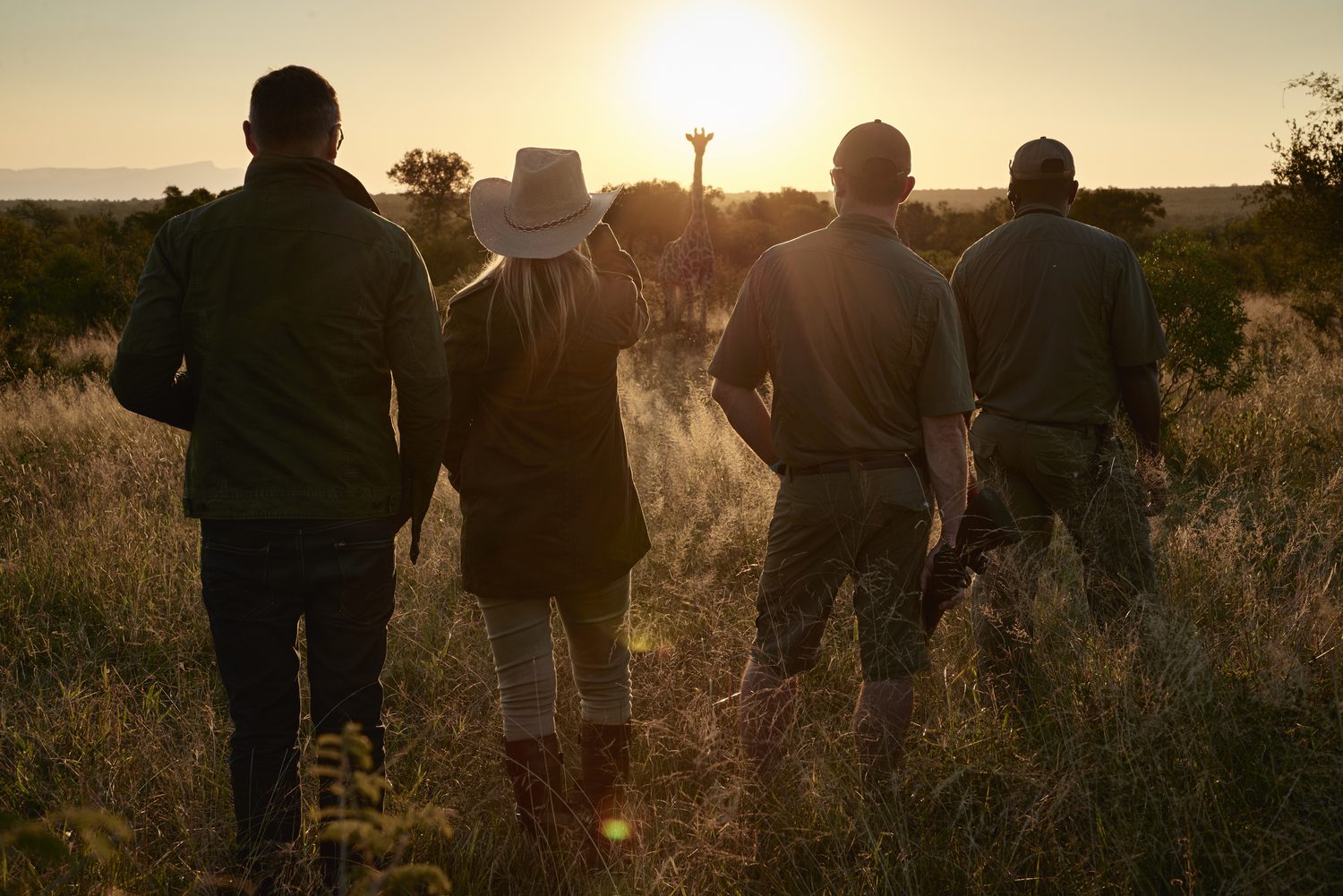
Now you are at ground level. Your scent matters, and wind direction becomes something you track constantly. Spacing in the group stops being casual, because clumping together can trigger responses in animals that ignored your vehicle entirely. Every sound sharpens. On most walks someone carries a rifle, either your guide or an accompanying scout, not because you will probably need it, but because complacency around buffalo and elephant is how people forget they are not at the top of the food chain.
That vulnerability changes what you notice. You see textures you drove straight past: the architecture of a termite mound, the dung that tells you what an animal ate and how healthy it is, the particular quiet of being small and slow in something vast. You learn to read the ground. Your guide points at flattened grass and suddenly you can see it too: two male lions passed through an hour ago, one limping, pausing where the claw marks show they disputed the boundary.
Some people find this stressful, and spend the walk managing their nerves rather than noticing anything. Others come alive in a way the vehicle never allows, returning from three hours on foot having seen fewer animals and feeling more present than they have in years. Neither response is wrong, but knowing which is yours shapes the whole itinerary. Minimum ages for walking are usually between twelve and sixteen depending on the reserve, and places such as Zambia's South Luangwa and Zimbabwe's Mana Pools have built their reputations on it.

Time and Attention
Some travelers measure a safari in variety: how many species, how much ground, the sense of having seen a place in full. They grow restless spending too long in one spot. For them, the best days range widely, and the best itineraries move between ecosystems so each day reveals something new, river systems then plains, forest then desert, water then land.
Others would rather spend four hours with one leopard than see seven species in the same time. They return with fewer sightings tallied and far more understanding of the ones they had. Both kinds of satisfaction are real, and if you are traveling as a group you almost certainly contain both.
Photographic Hides
For the patient, a hide changes everything. Sunken hides at waterholes put you at eye level with elephants, close enough to hear them drink, while photographic boats on rivers such as the Chobe let you shoot from the water line. You might sit an entire afternoon waiting for one thing: the right light, the right behavior, the moment that reveals rather than merely displays. For more on working this way, read Safari Photography.
Tracking
Following one wild dog pack or one rhino on its own terms, with a tracker reading spoor from the front of the vehicle, turns a sighting into a story with a beginning and an end. Private vehicles make this possible, because a shared vehicle cannot spend a morning on one animal. So do longer stays that allow some days for coverage and others for focus.

From the Air
Hot-Air Balloon Safaris
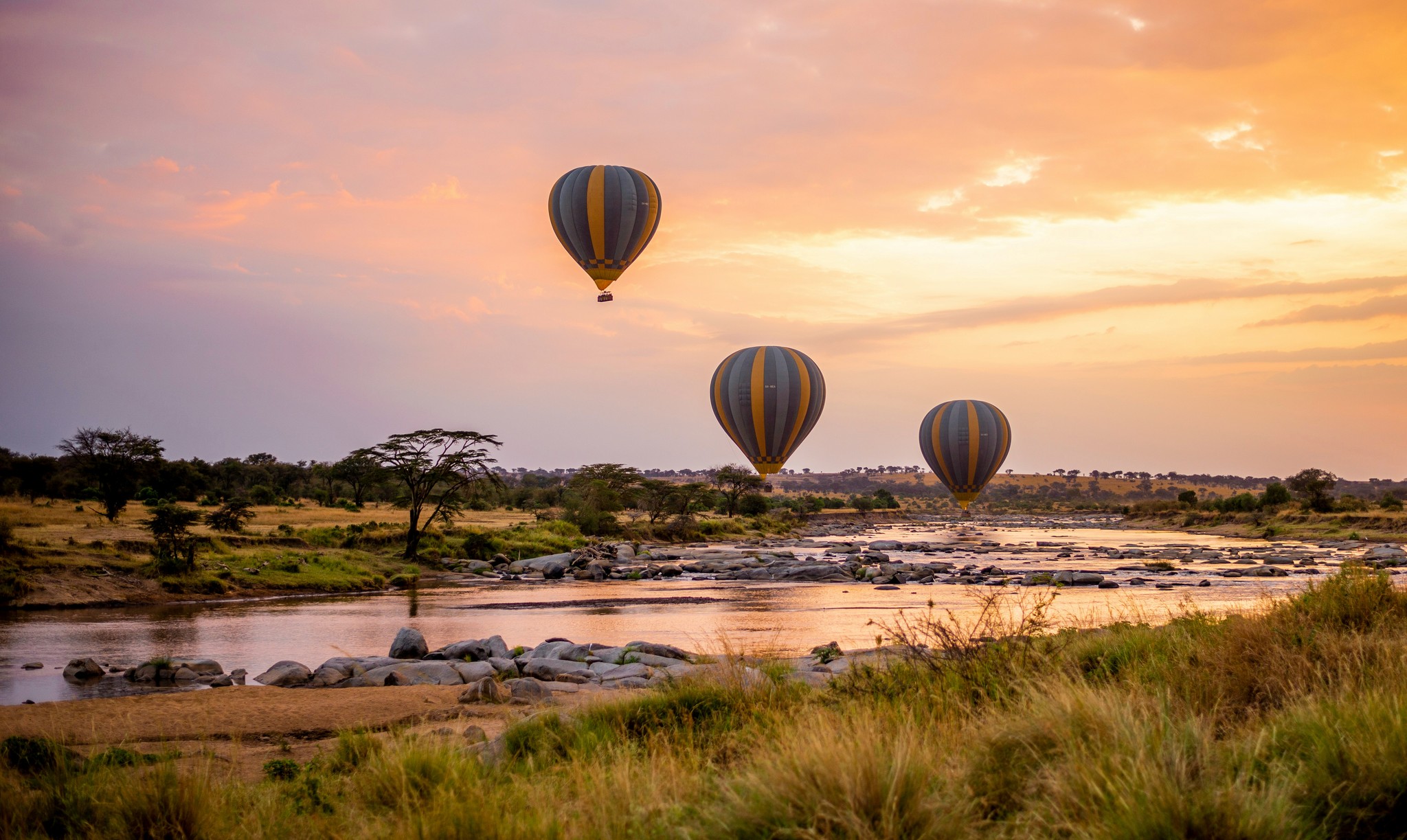
Balloon safaris launch in darkness. Flame roars into the envelope, then there is silence as you lift, so gradually you barely feel the movement until you look down and find the ground falling away. The sun breaks the horizon and the plains unfold below.
From that height, patterns appear that are invisible from the ground: how herds organize around water, the elephant paths worn into corridors over generations, and, when it is in full movement, the Migration itself, not as individual animals but as dark rivers flowing across the grass. The classic flights are over the Serengeti and the Maasai Mara, usually ending with breakfast in the bush. Some travelers find the perspective revelatory. Others feel too far removed from the individual animal and would rather see eyes than herds.
Helicopter Flights
A helicopter offers altitude with a different character: precision rather than drift, range rather than meditation. You follow the Okavango's channels until the logic of the seasonal flood finally makes sense, circle Victoria Falls for a view the ground cannot give you, or follow Namibia's central coast, where the dunes run straight into the Atlantic. Altitude serves you if you want to understand systems and geography. If you want to meet individual animals, stay grounded.

On the Water
Mokoro in the Okavango
A mokoro is a narrow canoe, traditionally carved from a single log and today usually made of fiberglass, poled by a guide standing at the stern, gliding through the Okavango's papyrus channels and lily lagoons at water level. It is one of the most tranquil ways to experience wilderness anywhere: frogs, kingfishers, the occasional elephant wading through the reeds. It is reliable at permanent water camps; elsewhere it depends on the annual flood, which arrives in the dry winter months rather than with the rains.
Boats and Canoes
On the Chobe River in Botswana, boat safaris put you among elephants drinking and bathing at close range, with hippo and crocodile in the shallows. The riverfront gets busy with large cruise boats in peak season, which is why we arrange small private boats instead. On the Zambezi, at Mana Pools and in the Lower Zambezi, guided canoe trips drift past herds on the floodplain, one of the few places you can see big game from a paddle. Guides manage the hippo and crocodile risk carefully, and age limits apply. If time on the water matters to you, look south. East Africa vs Southern Africa sets out the rest of the choice.
Fishing and the Ocean
The Zambezi is famous for tiger fishing, usually catch-and-release, with a closed season on the Zambian side from December through February. And for journeys that finish on the Indian Ocean, Mozambique's Bazaruto Archipelago adds a different kind of water altogether: snorkeling and diving on the reefs, and a dhow under sail at sunset.

Beyond the Vehicle
Gorilla and Chimpanzee Trekking
Few experiences in Africa compare with an hour in the presence of mountain gorillas. Treks in Rwanda's Volcanoes National Park and Uganda's Bwindi Impenetrable Forest climb through steep, often muddy montane forest to a habituated family, and your time with them is limited to one hour. Trekkers must be at least fifteen, permits are limited and book out well ahead, and fitness matters more than the season. Chimpanzee trekking in Rwanda's Nyungwe or Uganda's Kibale makes a fine companion to it.
Horseback Safaris
On horseback you move through herds of zebra and giraffe that barely register you as a threat, because to them you are simply another large animal. In places such as Kenya's Laikipia, the Okavango Delta and South Africa's Waterberg, horseback safaris are serious, exhilarating experiences rather than novelty rides. The specialist Okavango rides are for confident riders comfortable at every pace; some operators in Laikipia and the Waterberg welcome beginners. Age and weight limits vary by operator, so we match the ride to your ability before we propose it.
Sleeping Out
Some of the most memorable nights on safari are spent closer to the sky. A star bed on a raised platform or a sleep-out on a deck above a waterhole puts nothing between you and the stars. A fly-camp, set up for a single night deep in the bush, is a step more adventurous, usually a simple tent or netted enclosure with your guide close by. Most sleep-outs run in the dry season, weather permitting, and some carry age limits; where children are welcome, it is often the night they talk about for years.

Structure or Spontaneity
Most luxury safaris follow a comfortable structure. Morning drives leave around sunrise. Meals come at predictable times. Sundowners appear around half past five with gin and tonic and the day's best light. You know what is coming, which creates security, and security lets you relax into the place.
For many travelers, particularly those for whom this trip is a significant investment and perhaps once in a lifetime, that structure is exactly right. But some find it constraining. They want days that follow the wildlife rather than the clock: staying with a sighting until it ends naturally rather than returning for lunch because lunch is at noon, and guides who read the landscape and change the plan when something develops behind you.
That spontaneity needs particular conditions. A private vehicle, above all, because a shared vehicle runs on democracy and a schedule. Guides confident enough to leave the template. Properties relaxed about meal times. Most people want something in between: the reassurance that meals and sundowners will happen, with the freedom to extend a morning when something extraordinary is unfolding, or to skip an afternoon drive entirely for a nap.

Matching the Mode to the Traveler
First safaris almost always benefit from a vehicle-based, reasonably structured approach with plenty of variety. You are learning what safari feels like and building a baseline of landscapes and species. Walking and depth come more naturally once you understand the grammar.
Photographers need something else: private vehicles willing to wait for light, properties with hides, and guides who position for composition rather than simply getting you close. Depth over breadth, always.
Families need flexibility: shorter drives, activities that engage different ages at once, and the freedom to split up so older children and adults can walk while the youngest stay back for the pool and an evening film under the stars. Private villas and vehicles become essential rather than a luxury. The full picture is in Luxury Family Safaris.
Seasoned travelers often want what first-timers avoid: walking, fly-camping, the underfunded wild places, and conservation work that reveals how a system functions. They have done the vehicle circuit and want to go underneath it.
Couples marking a milestone want whatever creates the most romance, which might be a dawn balloon and a private sundowner spot, or might be days with no plan at all beyond coffee on the deck while elephants drink below.
What We Leave Out
Some activities appear on every safari list but rarely in our itineraries unless you ask for them.
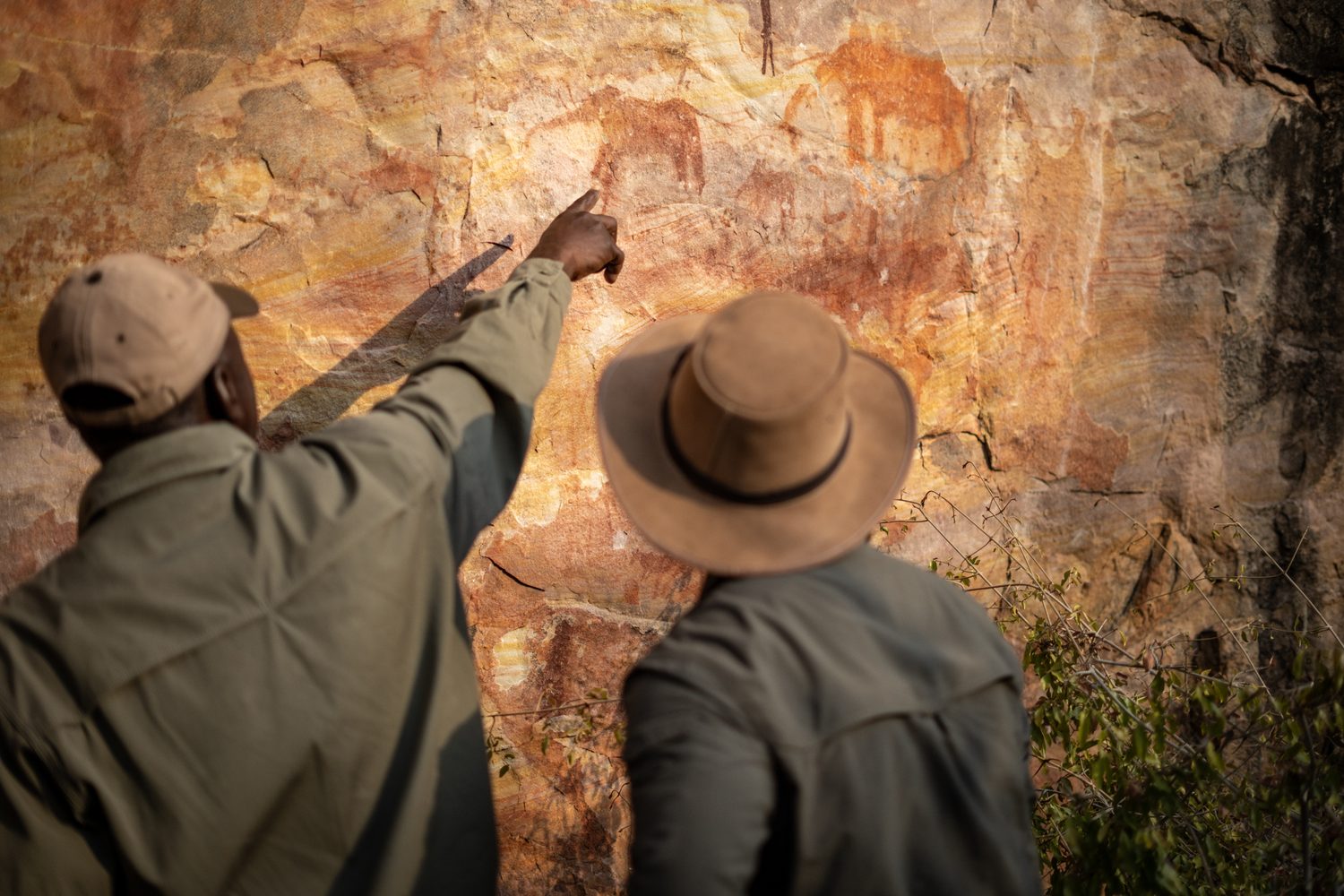
Cultural visits that feel staged. Villages where a community performs "traditional" life for cameras while living an entirely modern one extract money without building any real connection. When we include culture, it is through partnerships where lodges employ and train local people and support schools, and where a visit is an invitation rather than a performance. Ancient rock art explained by a guide who knows the land is worth more than any staged dance.
Checklist chasing. Prioritizing a rare species glimpsed through foliage over a common one doing something remarkable. Better to watch a herd of elephants work out how to cross a river than tick a distant animal off a list. That takes guides confident enough to make the call, and guests who trust them.
Filler booked to fill a day. A horse ride that is really just horses near animals is not why you flew this far; a serious horseback safari is a different thing entirely, and one we plan with real care. A massage after a long morning on corrugated roads is the opposite of filler, and the best camps do it beautifully, often in your own suite or under a tree. We schedule it when your body asks for it, not to make the day look full.

Safari Activity Questions, Answered
What is there to do on safari besides game drives?
A great deal: walking safaris, night drives, photographic hides, hot-air balloon and helicopter flights, mokoro, boat and canoe trips, fishing, horseback safaris, gorilla and chimpanzee trekking, and nights sleeping out under the stars. What is available depends on where you stay, which is why we plan the activities and the properties together.
Are night drives allowed everywhere?
No. Some of the best-known parks, including the Serengeti and the Maasai Mara National Reserve, do not allow them, and others permit them only from licensed camps. Private reserves and conservancies are where they become a regular part of the day, which is one reason we favor them.
How old do you have to be for walking safaris and gorilla trekking?
Walking safaris usually require guests to be between twelve and sixteen, depending on the reserve. Mountain gorilla trekking in Rwanda and Uganda has a minimum age of fifteen. We confirm the exact policy for each property before it goes into your proposal.
Is a hot-air balloon safari worth it?
For most people, once. Drifting over the Serengeti or the Maasai Mara at sunrise, with the plains and, in season, the Migration spread out below, is extraordinary. If you prefer to see individual animals up close, you may find the height too removed, and a morning drive would suit you better.
How many activities should we plan each day?
Fewer than you think. Two main outings, morning and late afternoon, with time in camp between them is the natural rhythm. The travelers who come home happiest built in space rather than filling every hour.
Can families do these activities together?
Many of them. Game drives, boat trips and cultural visits suit most ages, and a private vehicle lets you tailor them. Walking, horseback riding and gorilla trekking carry age limits, so families often split up for those, with the youngest staying back at camp. For the lodges we would choose first for children, and the age and private-vehicle rules at each, read Family Safari Lodges.

How We Think About Your Days
When we design an itinerary, we are not maximizing activities. We are creating the conditions for encounter, the kind that changes how you see rather than simply what you have seen.
That means understanding your temperament first: whether you describe past travel by what you did or by how it felt, whether you need the reassurance of structure or thrive on spontaneity, whether proximity excites you or makes you anxious. Then we match properties and pacing to it, often starting with the structure of vehicle-based days while you find your rhythm, and moving toward walking or open-ended days once you are comfortable. We build in space: days with no agenda beyond watching the light change, mornings that begin with the question of what you would like to do today. Where you stay shapes all of this, so see Where to Stay on Safari too.
The question we ask is not which activities interest you. It is how you want to encounter Africa. Tell us, and we will design the days around the answer.
The Printable Safari Packing Checklist
Four designed pages, free: the complete checklist, the landscape palette, packing by season, and traveling with children. Tell us where to send it.
Read Further



Ready to Design Your Encounter?
Tell us your priorities: pace, group size, activity level. We'll design days that match your temperament.

" height="6.799809999999999px" id="UnPIFpqy2" transform="translate(4.733 4.667)" width="6.799800000000001px"/><path d="M 0.8 0 C 1.267 0 1.6 0.4 1.6 0.8 C 1.6 1.267 1.266 1.6 0.8 1.6 C 0.333 1.6 0 1.267 0 0.8 C 0 0.334 0.333 0 0.8 0 Z" fill="rgb(165, 176, 170)" height="1.6000999999999999px" id="wjKJl84P4" transform="translate(10.867 3.733)" width="1.6000999999999994px"/><path d="M 7.333 0 C 8.533 0 8.8 0.067 9.4 0.067 C 10.467 0.134 11.466 0.4 12.2 1.133 C 12.933 1.867 13.2 2.867 13.267 3.934 C 13.333 4.533 13.333 4.8 13.333 6 L 13.333 7.333 C 13.333 8.533 13.267 8.8 13.267 9.4 C 13.2 10.467 12.933 11.467 12.2 12.2 C 11.466 12.933 10.467 13.2 9.4 13.267 C 8.8 13.333 8.533 13.334 7.333 13.334 L 6 13.334 C 4.8 13.334 4.533 13.267 3.933 13.267 C 2.8 13.2 1.867 12.933 1.133 12.2 C 0.4 11.467 0.133 10.467 0.066 9.4 C 0 8.8 0 8.533 0 7.333 L 0 5.934 C 0 4.734 0.066 4.467 0.066 3.867 C 0.066 2.8 0.333 1.867 1.133 1.067 C 1.867 0.334 2.8 0.067 3.866 0.067 C 4.466 0 4.733 0 5.933 0 Z M 6.666 1.2 C 4.933 1.2 4.733 1.267 4 1.267 C 3.266 1.333 2.533 1.467 2 2 C 1.466 2.533 1.333 3.267 1.267 4 C 1.2 4.667 1.2 4.867 1.2 6.667 C 1.2 8.4 1.2 8.6 1.267 9.333 C 1.333 10.067 1.466 10.8 2 11.333 C 2.533 11.867 3.266 12 4 12.067 C 4.666 12.134 4.866 12.133 6.666 12.133 C 8.4 12.133 8.6 12.067 9.333 12.067 C 10.066 12 10.8 11.867 11.333 11.333 C 11.866 10.8 12 10.067 12.066 9.333 C 12.133 8.6 12.133 8.4 12.133 6.667 C 12.133 4.934 12.066 4.733 12.066 4 C 12 3.267 11.866 2.533 11.333 2 C 10.8 1.467 10.066 1.333 9.333 1.267 C 8.666 1.2 8.466 1.2 6.666 1.2 Z" fill="rgb(165, 176, 170)" height="13.3335px" id="W1sWTdVhE" transform="translate(1.467 1.467)" width="13.33300001940264px"/></svg>)
" height="12.000010000000001px" id="Px7drxAPR" transform="translate(4.133 2.134)" width="7.53329px"/></svg>)
" height="13px" id="RXaPy7s6t" transform="translate(0.838 1.5)" width="14.381208999999998px"/></svg>)
" height="11.99998861028647px" id="xgm2Ladnt" transform="translate(2.036 2)" width="11.92787px"/></svg>)
" height="9.26662px" id="tz2Esvrs4" transform="translate(1.467 3.567)" width="13.333300000000001px"/></svg>)