Life on Safari
Safari Dining
When food becomes part of the story.
By Hans Arnesen, Founder of Reverie Safaris · Updated September 2026
Safari Dining
When food becomes part of the story.
On a couple's seventh evening, the husband realized the dinners had become as memorable as the wildlife.
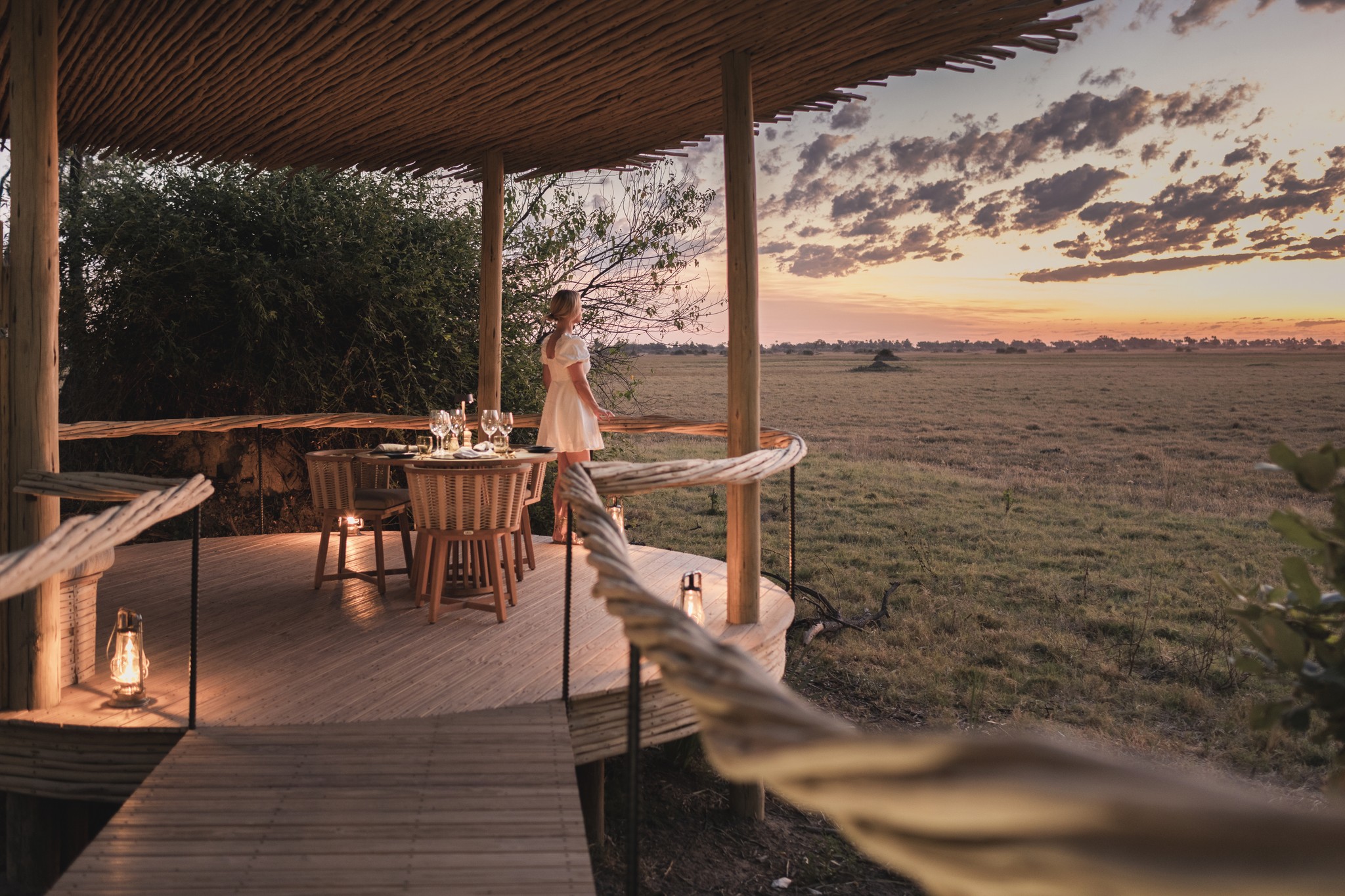
They weren't food people. They had come for lions and elephants, and food was supposed to be fine: good enough not to think about. But that night, at a table set beside their pool while the sun went down over the plains and impala grazed a hundred feet away, he tasted something that stopped him mid-sentence.
The chef had come by earlier to ask about their day, and not out of politeness. They had spent two hours with a leopard, and they described it in the kind of detail you only reach when someone is really listening. At dinner there was a dish built around a wild herb their guide had shown them that morning, near where the leopard had been, prepared so that it somehow tasted the way the afternoon had smelled.
It wasn't that the food was fancy. It was that the chef had translated their day back to them, and the meal became part of the encounter rather than the thing that happened afterward. His wife was quiet for a moment, then said she would remember that dinner as clearly as the leopard.
That is what people misunderstand about food on safari. They think of it as peripheral, necessary but secondary to the wildlife. At the properties we choose, it is part of how your days feel, the punctuation between the drama of the morning and the stillness of midday, and sometimes the part you remember years later. This guide is about what role you want food to play, and how to find the places that play it that way.
For the rest of the day's rhythm, read What to Do on Safari.
The Short Answer
At the camps we book, every meal is included, and so are wines, spirits and soft drinks; a few charge extra for Champagne or reserve wines, which we'll tell you in advance, and the full list of what's included is in How Much Does a Luxury Safari Cost? The food is usually far better than people expect, the kitchens are remarkably flexible, and dietary needs, allergies and children are handled with ease if you tell us once, before you travel.
Expect a day that runs on a rhythm: coffee before the dawn drive, a late breakfast when you return, a light lunch, tea in the afternoon, drinks at sunset, and a relaxed dinner. Nobody dresses for it. And the question worth asking isn't whether the food will be good. It's whether you want it to be part of the adventure or the calm, excellent background to it.
A Day of Meals
Food on safari doesn't work like restaurant dining. It marks time.
Before dawn. Coffee or tea and something small before the morning drive; in Southern Africa that's often a rusk, the twice-baked biscuit made for dunking. On the drive itself there is usually a coffee stop somewhere with a view, sometimes laced with something warming on a cold morning.
Late morning. Breakfast, or brunch, when you return around ten or eleven: the most generous meal of the day. Sometimes it comes to you instead, set up in the bush beside a river or on a rocky outcrop.
Midday and afternoon. A light lunch, then rest through the heat. Afternoon tea arrives around half past three, with cake, before the second drive.
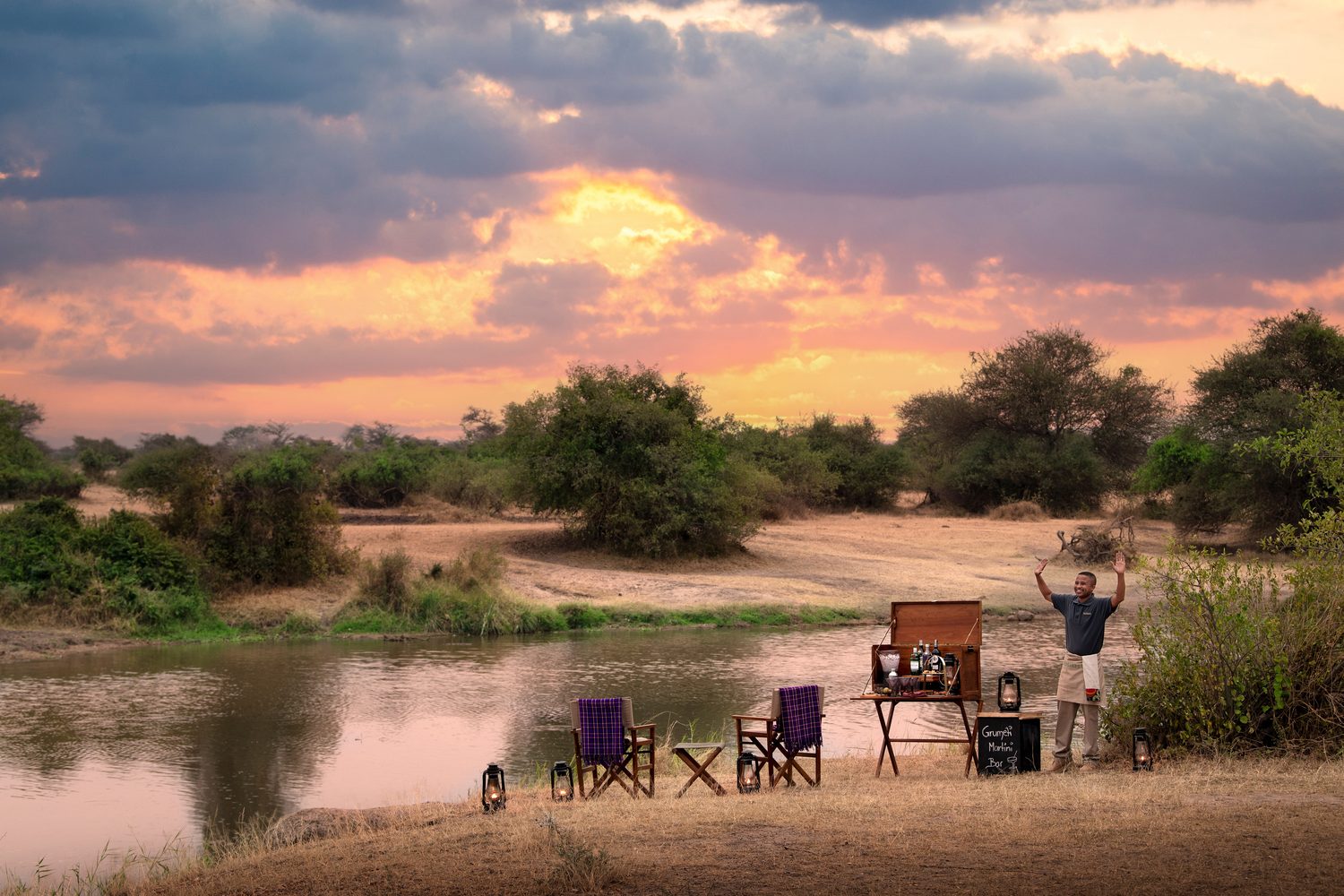
Sundowners. As the light turns gold, the vehicle stops somewhere beautiful, a table comes out, and a gin and tonic or a cold beer marks the end of the day. It is the most African of rituals and the one people miss most at home.
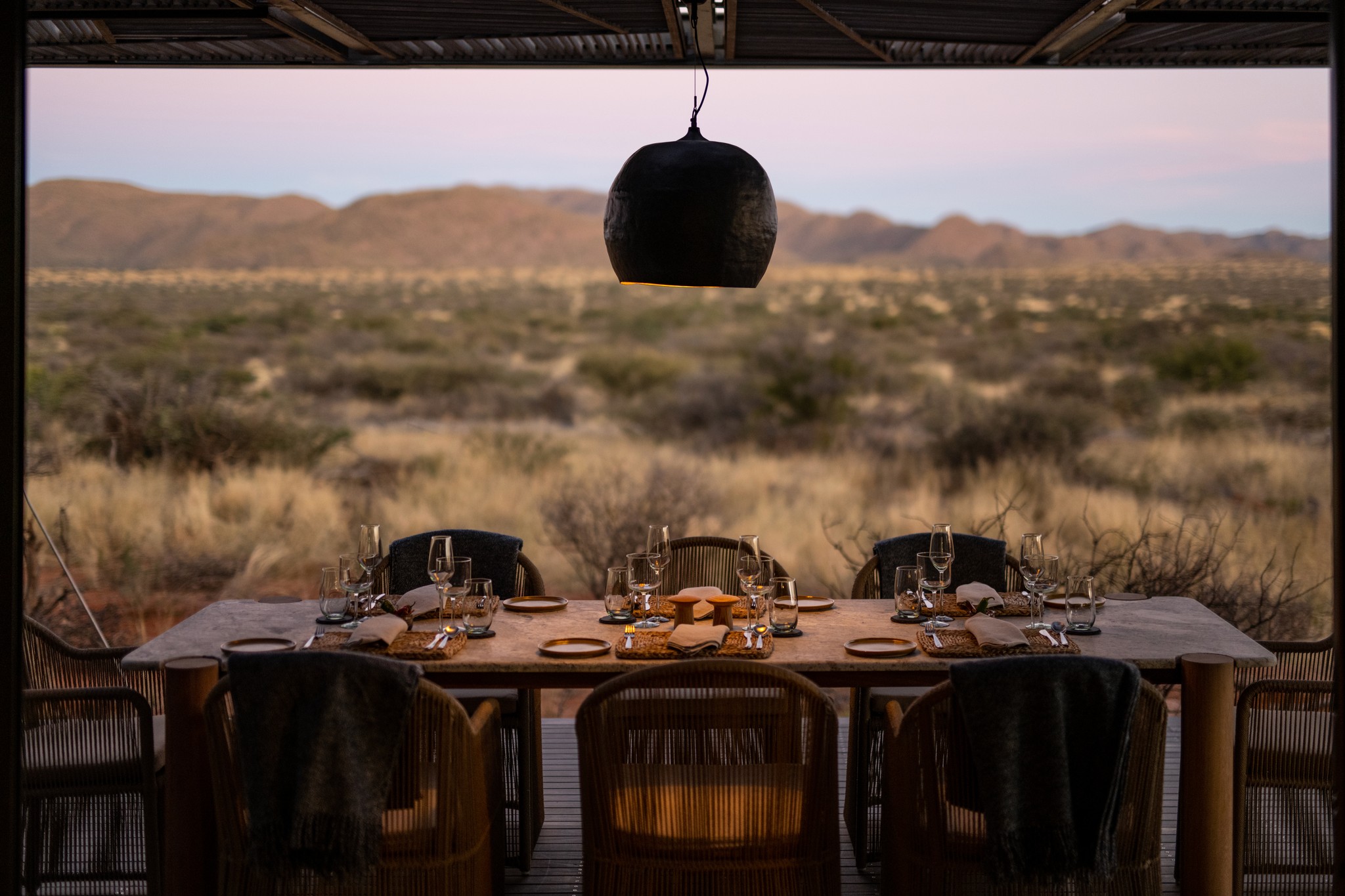
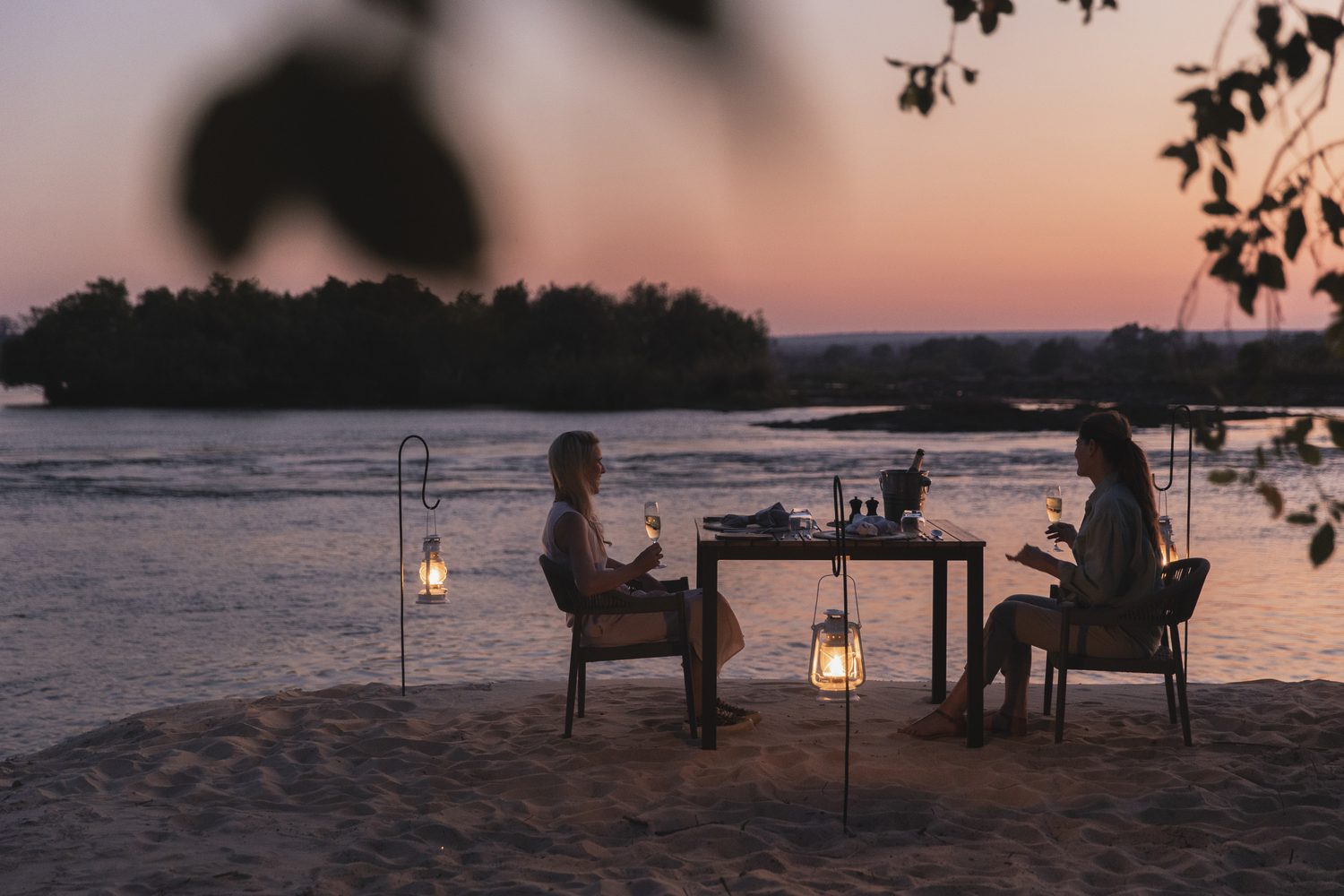
Dinner. Back in camp after dark, around the table, around the fire in a boma, or on your own deck. Dinner is where the day gets told.
At the best camps, this rhythm bends around you. Breakfast waits when a sighting runs long, a hungry teenager is fed now while everyone else waits, and dinner moves when the evening drive found something worth staying for. That flexibility needs a private vehicle and a kitchen with enough staff to read guests rather than follow a timetable, which is part of what the rate at the top properties pays for.
Adventure or Familiarity
Some kitchens lean into place. In East Africa that can mean coconut fish curries, pilau and chapati alongside grilled meats, flavors carried by centuries of Indian Ocean trade. In Southern Africa, Cape Malay curries, slow-cooked potjie, indigenous greens and game prepared with classical technique. For travelers who see food as part of the culture they came to meet, this is the point: every meal tastes of somewhere.
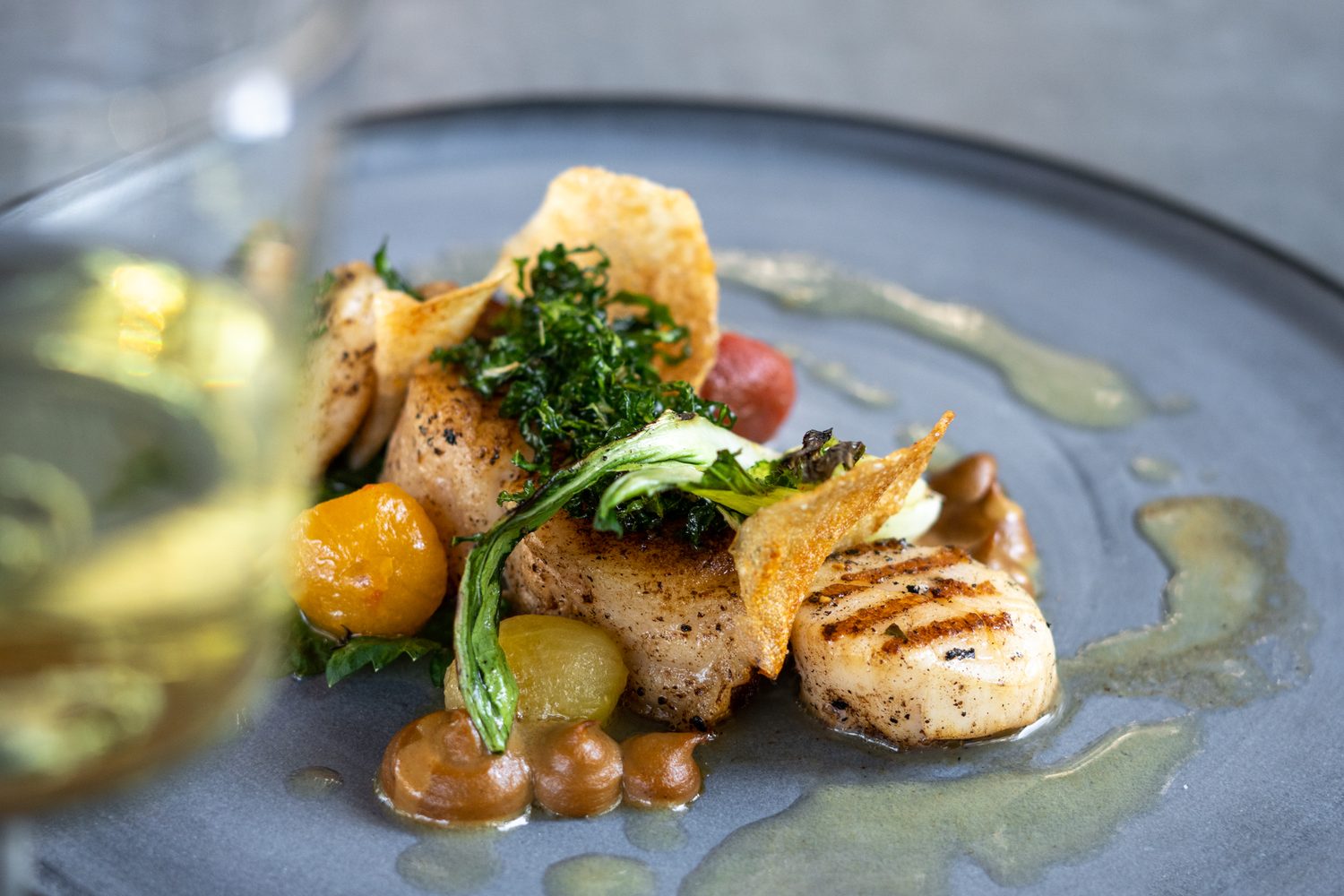
Other kitchens prioritize familiar excellence: a perfect steak, good pasta, French technique with superb ingredients. Not specifically African, but reassuring for travelers who want the adventure to stay with the wildlife, and invaluable for children who won't eat anything they can't name.
Neither is better, and the best chefs are fluent in both. They read what you gravitate toward in the first day or two and quietly adjust, so the adventurous eater gets the curry and the cautious one gets the steak, often at the same table.
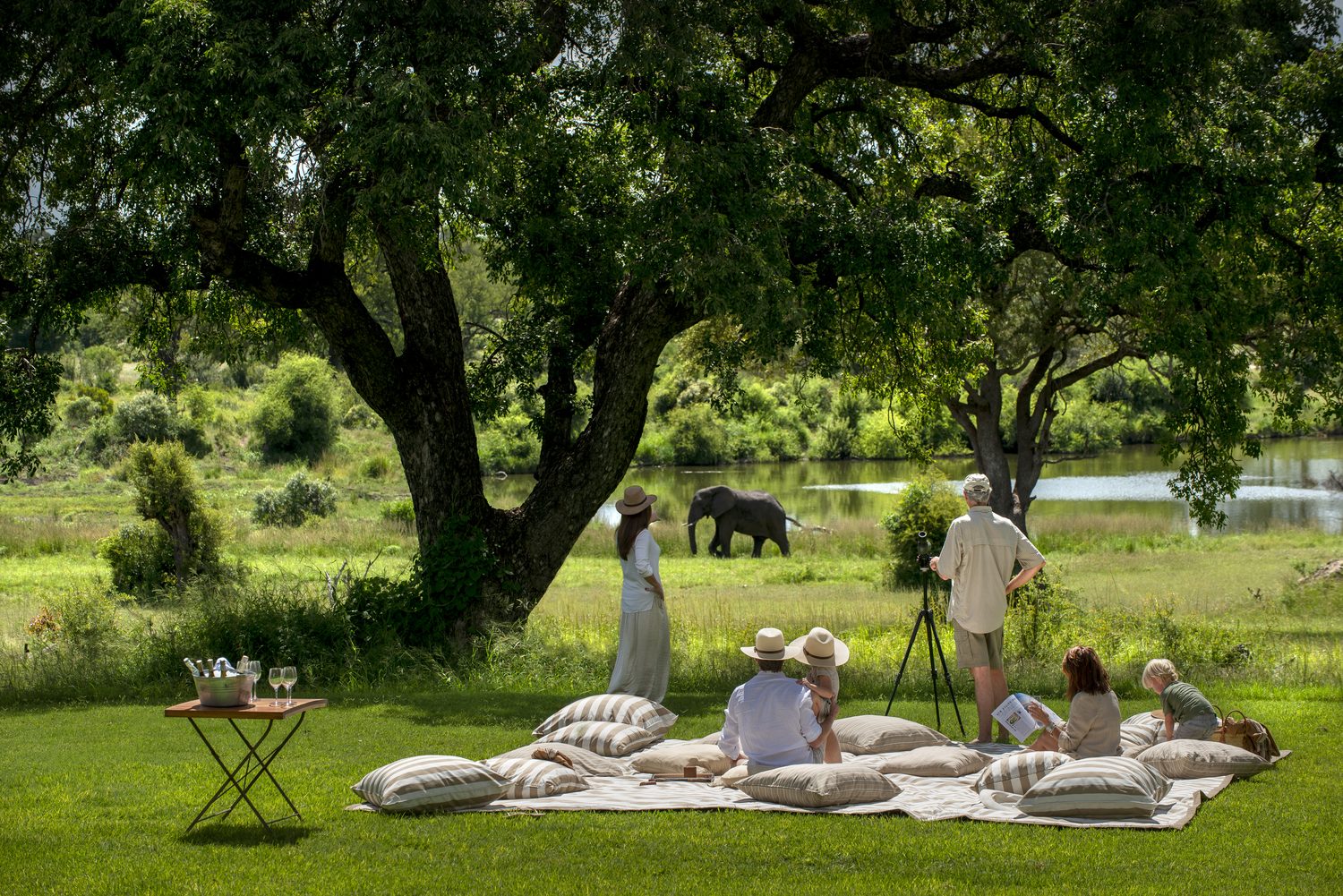
Theater or Substance
Bush meals are safari's signature production. You come back from a morning drive to find a table laid somewhere improbable, beside the river where the elephants crossed or under the acacia where the leopard was: linen, china, flowers, hot food from a kitchen you never saw arrive. Dinner can be staged the same way, with lanterns in the bush, a fire, sometimes singing.
Some travelers love this. The surprise of it, the sense of someone going to great lengths to make beauty in the wilderness, becomes one of the stories they tell. Others find it too much, and would trade the spectacle for a quiet, excellent meal at a proper table in camp, food hot because it didn't travel.
Both are fair. If you experience travel through its peaks, the moments you'll describe for years, theatrical dining will add to your safari. If you experience it through sustained quality and an absence of false notes, choose places that practice quiet excellence. Most properties lean one way, so it helps to choose in advance, and a good camp will change course the moment you say so.
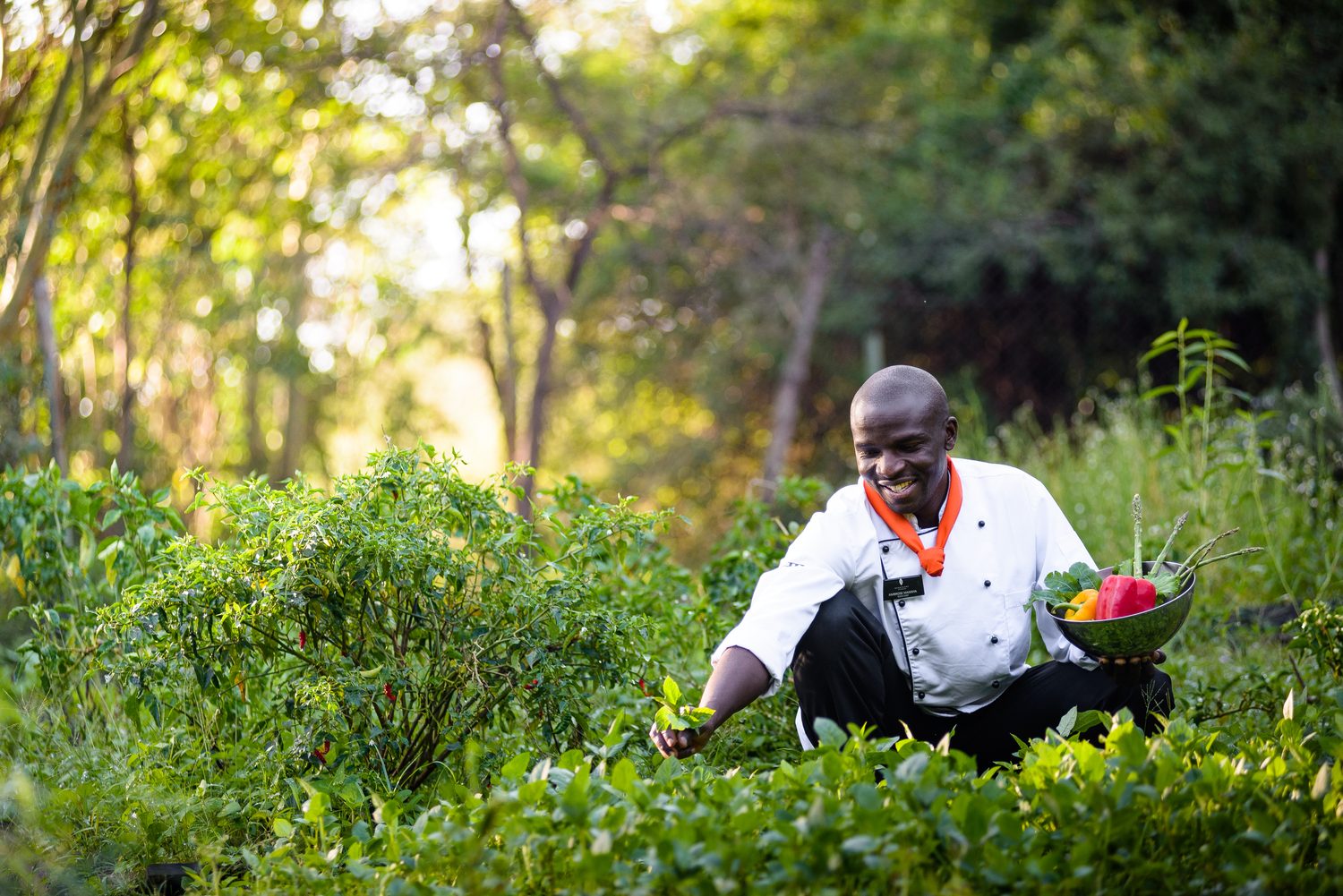
From the Garden and the Community
The best safari kitchens grow and hire close to home. At Angama Mara, the Shamba, an organic kitchen garden on the edge of the Mara, supplies the lodge's kitchens, and guests can pick their own salad greens for lunch under the trees, with fresh bread, local cheese and a chilled rosé.
Singita goes further. Its Community Culinary School, opened at its Kruger National Park lodges in 2007 and now in Tanzania and Rwanda as well, trains young people from the communities around its reserves as professional chefs, with an internationally recognized diploma at the end. At some of its lodges, the person cooking your dinner may well have learned the craft a few miles from where you're eating it.
That matters beyond the plate. A kitchen that sources locally and trains locally is one more way a lodge keeps its neighbors invested in the wildlife around them. Why that matters is in How to Choose a Conservation-Led Safari.
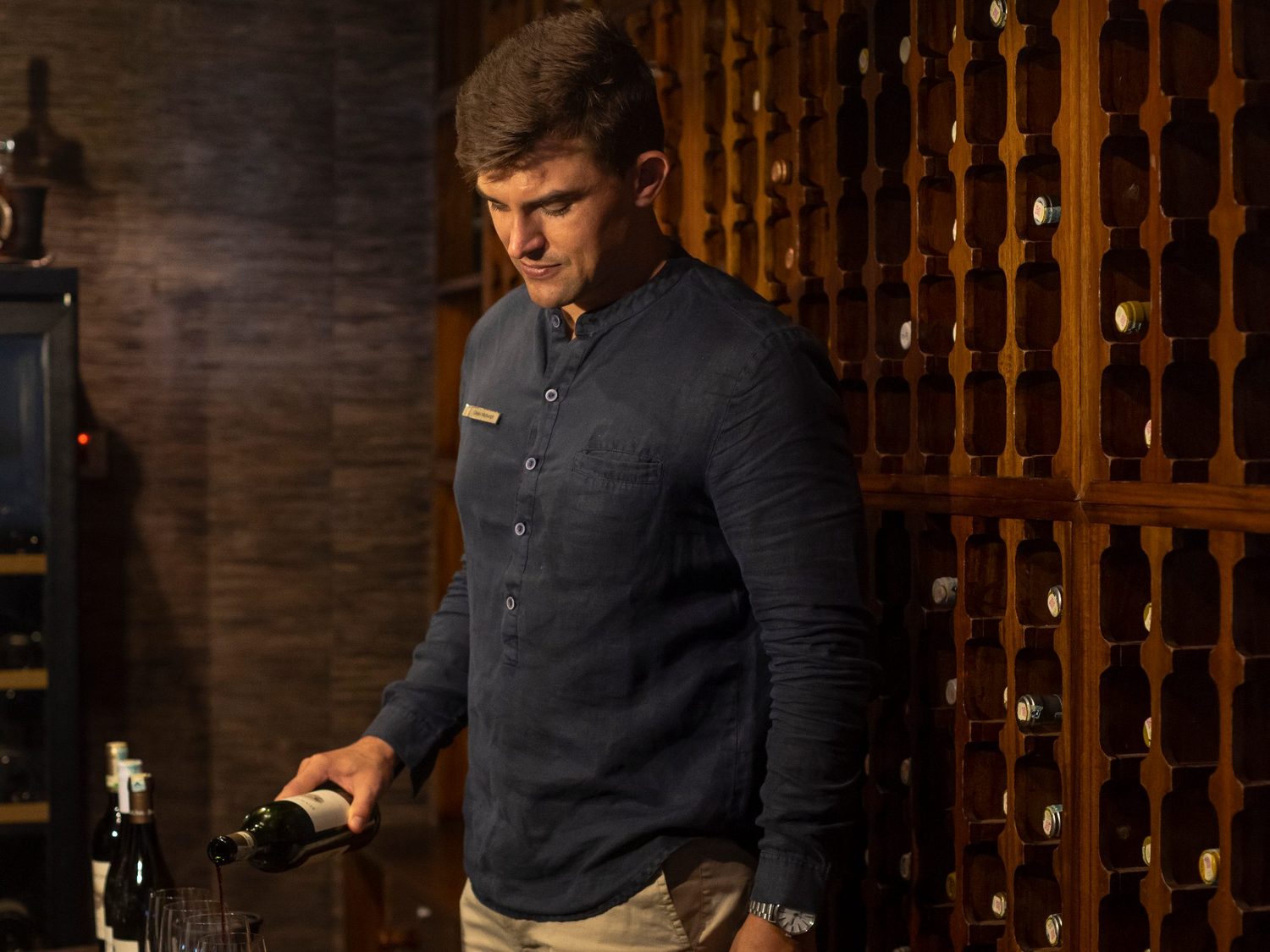
The Cellar
Some safari properties, particularly in South Africa, keep wine programs that would justify a visit on their own, and one stands apart. Singita is among the largest buyers of South African wine at auction, and when Food & Wine looked at its collection in 2024 it held nearly 200,000 bottles from some eighty-five producers, which the magazine called the largest of its kind in the Southern Hemisphere. There are private reserves, single-vineyard and limited releases, rare auction lots, and allocations of icon wines secured directly from the Cape's leading estates, some of them maturing for fifteen or twenty years before they reach your table. Kept in temperature-controlled cellars, many are unlikely to be found anywhere else.
And the cellar isn't a list; it's a room you're invited into. Before dinner you can walk it with the sommelier, taste a few things, and choose the bottle for your meal from anything you see on the racks. The wines are bought in South Africa, but they don't stay there. Singita moves them, and keeps them in condition, all the way to its camps in Zimbabwe, Tanzania and Rwanda, so the same depth is waiting in the Serengeti as in the Sabi Sand, which is no small feat of logistics.
Singita's sommeliers will take you as deep as you like, whether you collect or simply enjoy a glass, and bottles you can't leave behind can be sent home through its wine service. At Singita Boulders in the Sabi Sand, premium wines, spirits and liqueurs are included in the rate. The program also trains young sommeliers from the region on site at its lodges, so the person opening your Chenin Blanc may be one of Africa's next generation of wine professionals.
For wine lovers, this is a revelation. South African wine is still underexplored by most international travelers, and tasting it with someone who knows it, paired by a chef and sommelier who actually work together, is one of the great pleasures of a safari.
If you drink wine but don't study it, that depth can feel like pressure, and a shorter list served well may suit you better. And inclusions vary more than people expect: many camps include house wines and spirits but charge for Champagne and reserve bottles, and Angama Mara, for one, excludes French Champagne and reserve wines. We tell you exactly what is included before you book. For an ending among the vines, pair the bush with a few days in the Cape Winelands. More in our South Africa safari guide.
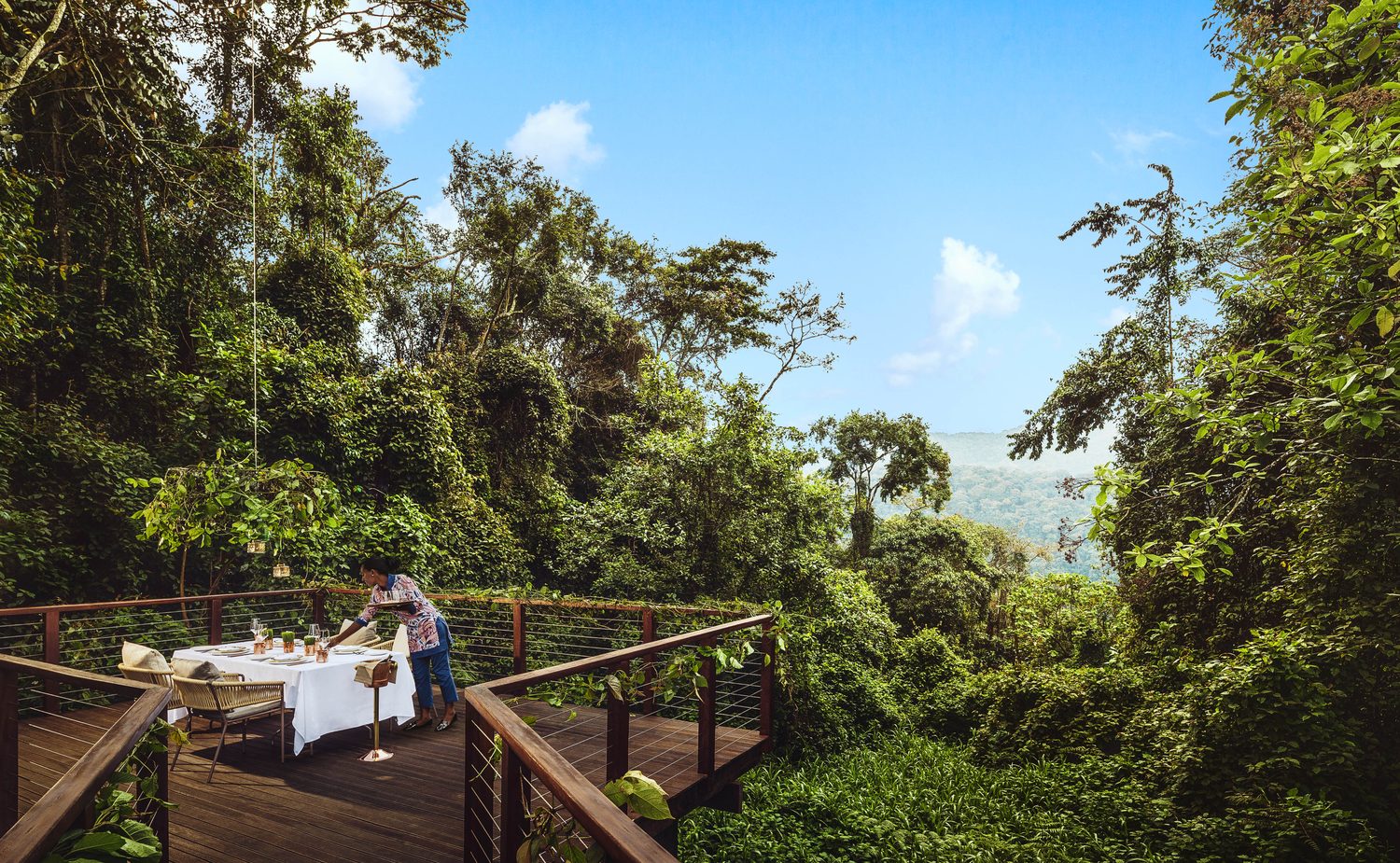
Regional Flavors
East Africa carries the Indian Ocean in its cooking: coconut, cardamom, cloves, pilau rice and chapati, grilled fish with tamarind on the coast. After the Serengeti or the Mara, Zanzibar's seafood and spice are the exhale, with meals taken barefoot in the sand.
South Africa brings wine-country sophistication, Cape Malay spice and a serious braai culture, with game prepared by chefs trained in classical kitchens.
Botswana delivers surprising excellence in impossible places: fresh bread every morning in camps reachable only by light aircraft, and the particular satisfaction of a superb meal where logic says there shouldn't be one.
Namibia leans hearty, with a German accent from its colonial history meeting African ingredients: robust food for long days in extreme landscapes.
The islands, Zanzibar, Mozambique's archipelagos and the Seychelles, simplify on purpose: fish caught that morning, fruit at its peak, salt, char and citrus.
But regional character matters less than execution and your own taste. Familiar food cooked well beats local cuisine cooked badly, and if you don't enjoy spice, no amount of authenticity will make a Swahili curry your favorite meal.
Dietary Needs, Children and Water
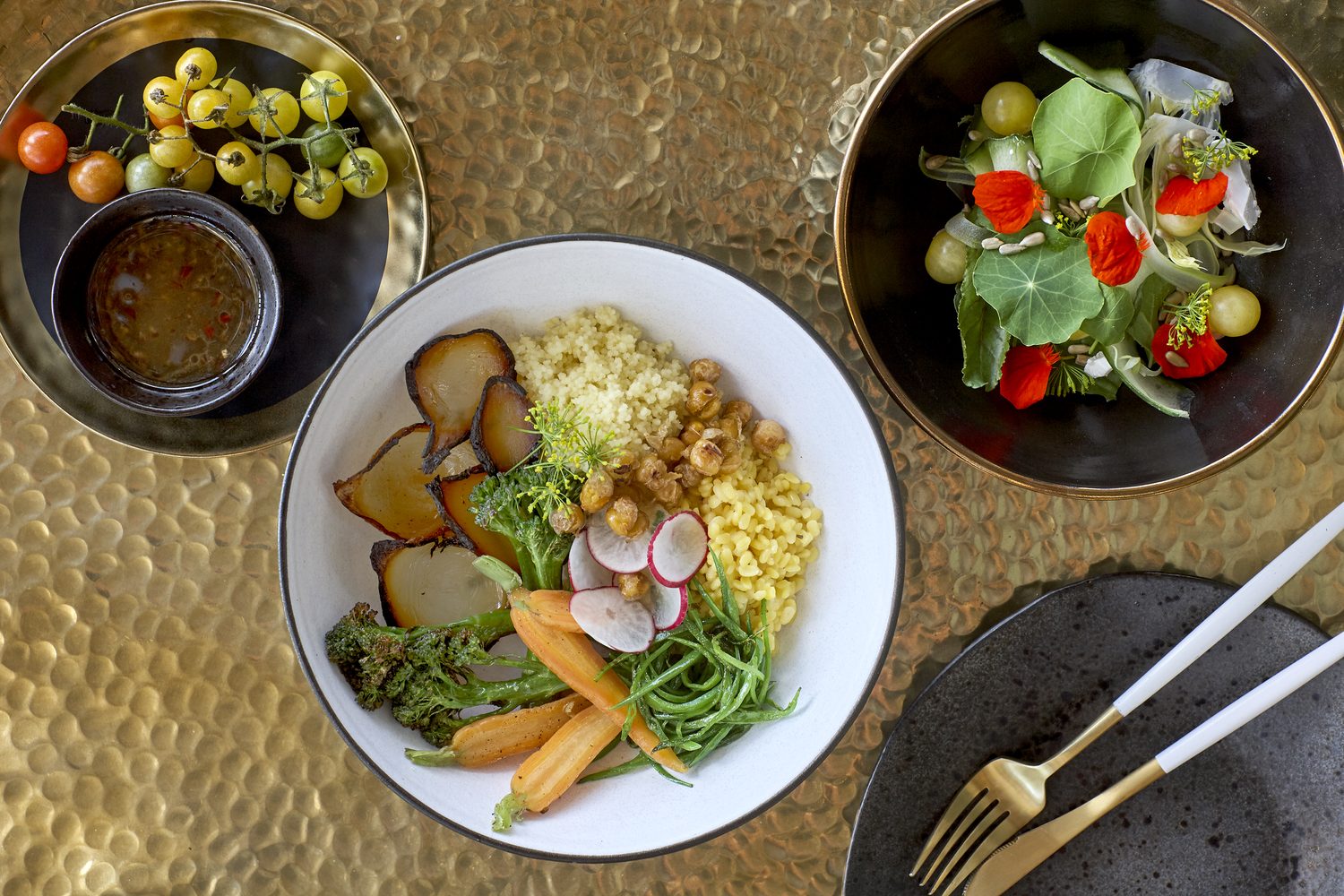
Luxury camps handle dietary requirements with a grace that surprises people: vegetarian, vegan, gluten-free, kosher-style, halal-friendly, and serious allergies. The key is telling us once, before you travel. We pass it to every property on your route, so it shapes the menus from your first meal, and the good chefs cook dishes that don't feel like restricted versions of everyone else's.
As for water, drink what the camp gives you, filtered or bottled, rather than from the tap unless the camp tells you it's safe. Most camps hand you a refillable bottle for the vehicle, so there's no need to pack your own.
Children are easy. There are children's menus, but most kitchens will simply adapt what the adults are eating: the eight-year-old gets something familiar while the parents try the curry, and the teenager newly experimenting with vegetarianism gets a proper main course rather than side dishes. More on traveling with children in Luxury Family & Multi-Generational Safaris.
The Details They Remember
The best camps only need to be told once. On one of our own trips, across three camps run by the same company, we mentioned at the first dinner that we'd prefer olive oil to butter with the bread. From then on, at every meal in all three camps, the olive oil arrived without our asking. Someone had noted it and passed it on.
At one lodge, we asked whether the cookbook on display in our room was for sale. It wasn't. Before we flew home, the next lodge had a copy wrapped and waiting on our bed, as a gift.
None of that is on a menu, and none of it can be booked. It is simply what the best camps do, and it's why even a small preference is worth mentioning.

Safari Dining Questions, Answered
Are meals included on a luxury safari?
Yes. At the camps we book, every meal is included, from the pre-dawn coffee to the bush breakfast and the dinner, along with snacks and afternoon tea. The only meals you pay for separately are usually in cities at the start or end of the trip.
Is alcohol included on safari?
Usually. Most luxury camps include wines, spirits, beer and soft drinks; some also include premium wines, while others charge for Champagne and reserve bottles. We confirm exactly what each camp includes before you book.
Can safari camps handle dietary restrictions and allergies?
Very well, if they know in advance. Tell us once and we pass your requirements to every property on your route, so the kitchens plan around them from your first meal.
Is the water safe to drink on safari?
Drink the filtered or bottled water the camp provides rather than water from the tap, unless the camp tells you the tap is safe. Most camps give you a refillable bottle for game drives.
What is a sundowner?
The drink at the end of the afternoon drive. Your guide stops somewhere beautiful as the sun goes down, sets out a table, and pours whatever you like, most often a gin and tonic or a cold beer. It is one of the great rituals of safari.
Do you need to dress up for dinner on safari?
No. Camps are elegant but relaxed, and no jacket is required at any camp we book. A clean shirt, a light layer for the evening, and sandals that work from the pool deck to the table are all you need; the rest is in African Safari Clothing & Packing List.

What We Match For
When we design a safari with food in mind, we're matching kitchens to temperament, not just to quality. Sometimes that means starting in the bush with simple, superb cooking and ending in wine country once the wildlife has been absorbed; sometimes the reverse. It always means matching the style to the group, because a family with young children needs different kitchens than a couple who plan trips around wine lists. Mostly, we listen for what you don't say: whether you describe past trips through meals or through moments, and whether a three-hour dinner sounds like heaven or like captivity. Then we choose places where your answer is already the house style. Begin the conversation whenever you're ready.
The Printable Safari Packing Checklist
Four designed pages, free: the complete checklist, the landscape palette, packing by season, and traveling with children. Tell us where to send it.
Read Further




Ready to Design Your Journey?
Tell us what role food should play: central experience or elegant background, adventurous or familiar. We'll match properties to your preferences.

" height="6.799809999999999px" id="UnPIFpqy2" transform="translate(4.733 4.667)" width="6.799800000000001px"/><path d="M 0.8 0 C 1.267 0 1.6 0.4 1.6 0.8 C 1.6 1.267 1.266 1.6 0.8 1.6 C 0.333 1.6 0 1.267 0 0.8 C 0 0.334 0.333 0 0.8 0 Z" fill="rgb(165, 176, 170)" height="1.6000999999999999px" id="wjKJl84P4" transform="translate(10.867 3.733)" width="1.6000999999999994px"/><path d="M 7.333 0 C 8.533 0 8.8 0.067 9.4 0.067 C 10.467 0.134 11.466 0.4 12.2 1.133 C 12.933 1.867 13.2 2.867 13.267 3.934 C 13.333 4.533 13.333 4.8 13.333 6 L 13.333 7.333 C 13.333 8.533 13.267 8.8 13.267 9.4 C 13.2 10.467 12.933 11.467 12.2 12.2 C 11.466 12.933 10.467 13.2 9.4 13.267 C 8.8 13.333 8.533 13.334 7.333 13.334 L 6 13.334 C 4.8 13.334 4.533 13.267 3.933 13.267 C 2.8 13.2 1.867 12.933 1.133 12.2 C 0.4 11.467 0.133 10.467 0.066 9.4 C 0 8.8 0 8.533 0 7.333 L 0 5.934 C 0 4.734 0.066 4.467 0.066 3.867 C 0.066 2.8 0.333 1.867 1.133 1.067 C 1.867 0.334 2.8 0.067 3.866 0.067 C 4.466 0 4.733 0 5.933 0 Z M 6.666 1.2 C 4.933 1.2 4.733 1.267 4 1.267 C 3.266 1.333 2.533 1.467 2 2 C 1.466 2.533 1.333 3.267 1.267 4 C 1.2 4.667 1.2 4.867 1.2 6.667 C 1.2 8.4 1.2 8.6 1.267 9.333 C 1.333 10.067 1.466 10.8 2 11.333 C 2.533 11.867 3.266 12 4 12.067 C 4.666 12.134 4.866 12.133 6.666 12.133 C 8.4 12.133 8.6 12.067 9.333 12.067 C 10.066 12 10.8 11.867 11.333 11.333 C 11.866 10.8 12 10.067 12.066 9.333 C 12.133 8.6 12.133 8.4 12.133 6.667 C 12.133 4.934 12.066 4.733 12.066 4 C 12 3.267 11.866 2.533 11.333 2 C 10.8 1.467 10.066 1.333 9.333 1.267 C 8.666 1.2 8.466 1.2 6.666 1.2 Z" fill="rgb(165, 176, 170)" height="13.3335px" id="W1sWTdVhE" transform="translate(1.467 1.467)" width="13.33300001940264px"/></svg>)
" height="12.000010000000001px" id="Px7drxAPR" transform="translate(4.133 2.134)" width="7.53329px"/></svg>)
" height="13px" id="RXaPy7s6t" transform="translate(0.838 1.5)" width="14.381208999999998px"/></svg>)
" height="11.99998861028647px" id="xgm2Ladnt" transform="translate(2.036 2)" width="11.92787px"/></svg>)
" height="9.26662px" id="tz2Esvrs4" transform="translate(1.467 3.567)" width="13.333300000000001px"/></svg>)