Designing Your Safari
Luxury Family Safaris
Share wonder across generations.
By Hans Arnesen, Founder of Reverie Safaris · Updated September 2026
Luxury Family & Multi-Generational Safaris
Share wonder across generations.
At first light, a ranger taps softly at your door. Steam curls from a silver pot of coffee. In the quiet, a six-year-old wriggles into a fleece while a grandfather ties his scarf and pretends not to be excited.
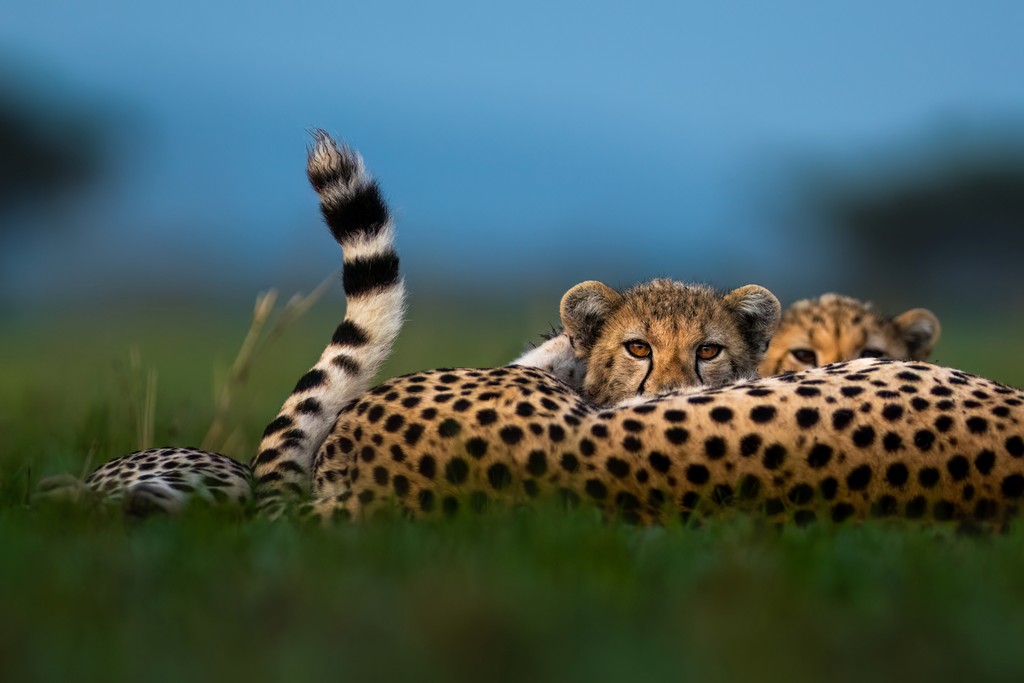
Minutes later you're rolling through pale grass, the world hardly awake, when a pair of cheetah cubs step into the road as if the morning belongs to them. It does. Someone whispers, someone else forgets to breathe, and time dilates. This is what you came for: not just a sighting, but a moment that belongs equally to a three-year-old and a seventy-year-old.
Safari does this. It levels the room. It relocates attention from screens to horizons. And when it is built with care, with pacing and privacy and purpose, it becomes the most generous style of family travel there is.
Quiet, by design, is not a tagline here. It is a planning philosophy. The logistics should disappear so wonder can take center stage. The right villa, the right guide, the right timing: this is the architecture of ease.
The Short Answer
Families do best with privacy and flexibility: a private villa or family suites, your own vehicle and guide, and a pace set by the youngest and oldest travelers rather than a lodge timetable. South Africa's malaria-free reserves are the easiest start with young children, many lodges elsewhere welcome children from six, and gorilla trekking requires everyone to be at least fifteen.
Book school-holiday dates twelve to eighteen months ahead, and plan from $1,500 per person per day on the ground. Because villas price by the residence, a larger family often pays less per person than a couple at the same level.

Why Safari Works for Families
Nothing Is Manufactured
A pride moving across a ridge line at golden hour is not a show arranged for you; it is life unfolding, and you are allowed to watch. Children sense the difference. Teenagers do too. The learning happens sideways, through laughter, through questions, through the kind of boredom that becomes curiosity when a ranger shows how to read a track like a sentence.
It is also a shared language. You do not need to translate the word look. You point. Everyone understands.
The Architecture of Ease
An extraordinary family safari looks effortless on the surface and is held up by quiet rigor underneath. We choreograph transfers so border formalities never feel like chores. We place you in private conservancies when you want fewer vehicles and more freedom. We time your days to light and to attention spans rather than to timetables.
The secret is flow. A two-stop safari has a different cadence than a four-stop epic; a villa week feels different from a sequence of boutique lodges with a private vehicle. The art is knowing when to stop moving, because the best moments often happen between the big ones: the pool hour, the amble to breakfast, the walk back from the boma when the Southern Cross is so clear it almost hums.
For the shapes that suit families, start with Private Safari Villas and a sample arc in the Exclusive-Use Family Safari.
Where to Go
South Africa is the great simplifier: malaria-free reserves in Madikwe, the Eastern Cape and the Kalahari make the pediatric conversation easier, and Cape Town frames the trip with ocean air, penguins and world-class food.
Botswana is wilderness in the truest sense. Private concessions, water and light, the hush of a mokoro gliding through reeds.
Kenya and Tanzania deliver the archetypal safari dream: big skies, the Great Migration, a rhythm that still feels ancient.
Rwanda or Uganda add an encounter so profound it echoes in family lore for decades. Gorilla trekking starts at fifteen in both countries, so it suits families whose youngest has reached that age.
Zimbabwe is the one most families have not considered, and among the best we know for them. In the country's remote southeast, the 115,000-acre Malilangwe Wildlife Reserve pairs superb game viewing with the kind of privacy families actually need, and it combines naturally with South Africa, or with Mozambique's coast for a bush-and-beach finish. It is a malaria area, so it suits families comfortable with prophylaxis; for those who are not, the Eastern Cape does the same job without it.
We design to temperament. Some families want ease and variety, so Cape Town pairs with a malaria-free reserve and a light beach finale. Others want wildness and privacy, and Botswana's concessions answer that. Some will cross three borders for a long cinematic arc. All are right if they are right for you.
East Africa vs Southern Africa sets the two regions side by side, families included.

Villa or Family-Friendly Lodge
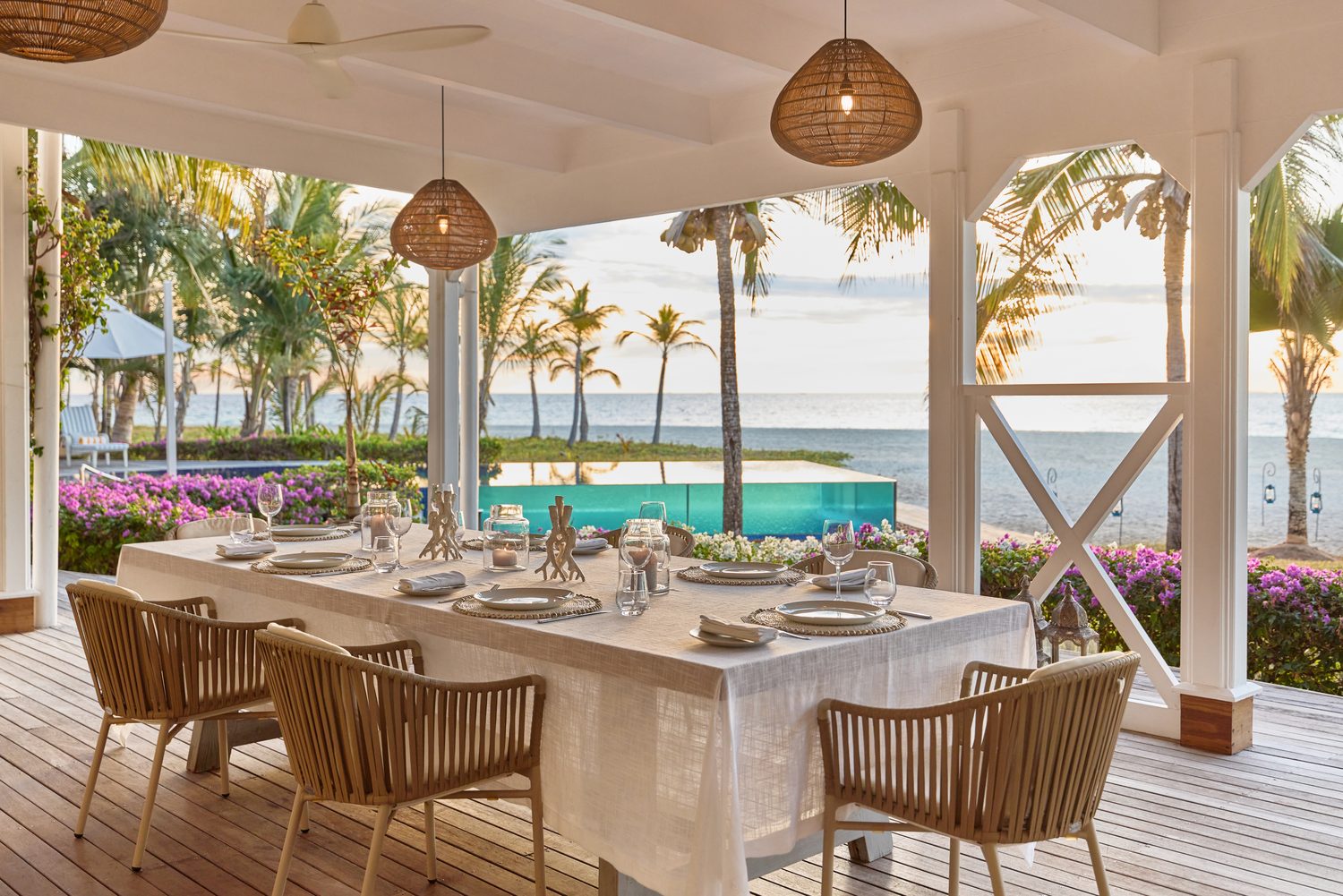
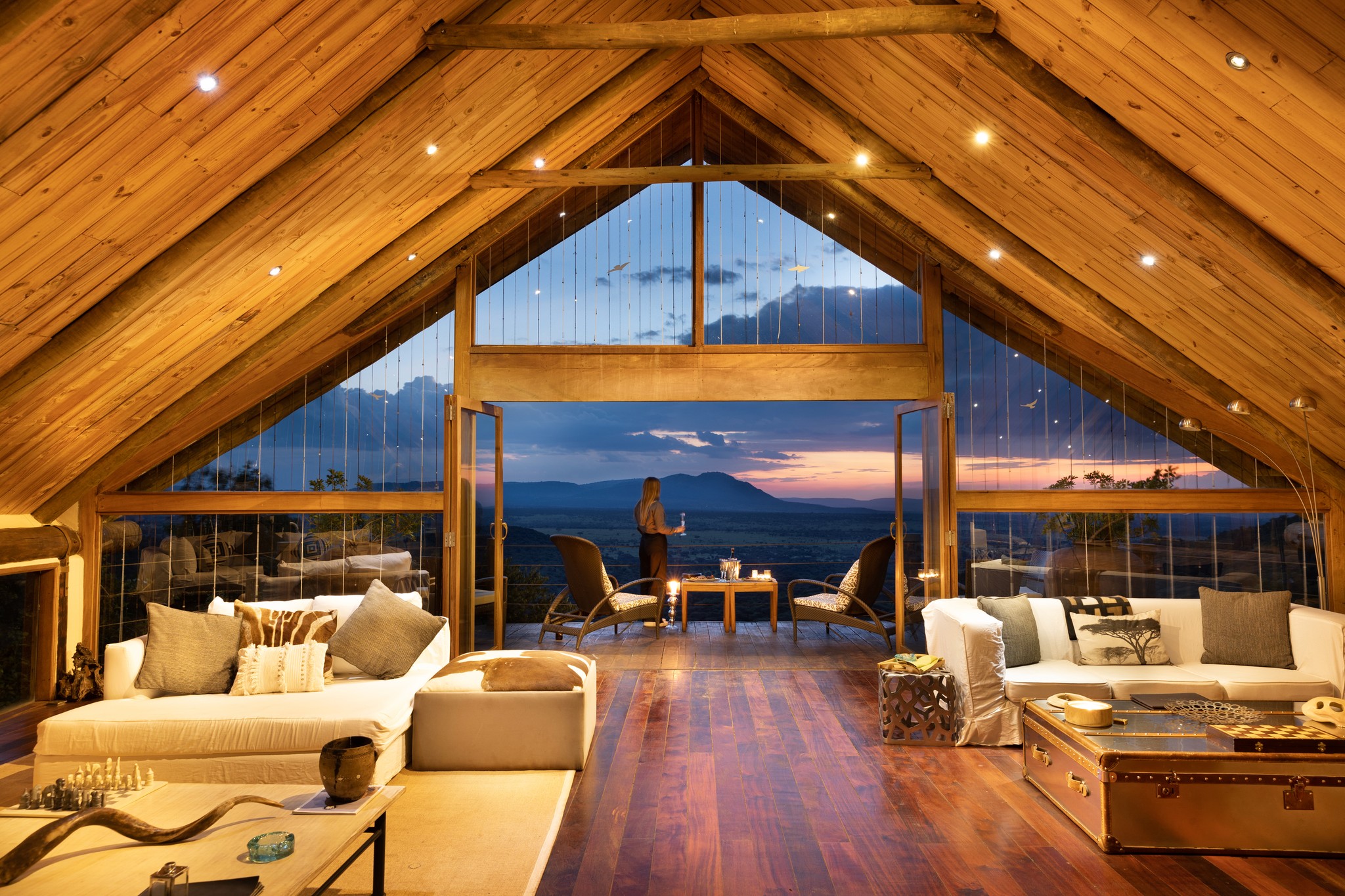
Exclusive-use villas are the pinnacle for multi-generational travel. They remove friction: your own chef, host, guide, tracker and vehicle; mealtimes when your day asks for them; bedrooms that give teenagers independence and grandparents quiet. The whole house moves to your rhythm. Breakfast can be late. Game drives can be short or gloriously long. A junior-ranger activity appears when a six-year-old gets curious about that giant anthill.
Boutique lodges, paired with a private vehicle, offer a different texture: more for teenagers in the way of gyms, hides and spas, a social hum if you want it, and the same flexibility on drives.
Some families mix the two, taking a villa first to find the groove and a lodge afterward. Which suits you depends on how your family rests, eats and plays together. We listen to that first. For the ten family lodges we would choose first, with their age rules and houses big enough for three generations, read Family Safari Lodges.
A Day That Feels Like Yours
5:45 AM. A gentle knock. Coffee and hot chocolate on the veranda. The air carries that improbable mixture of cold and scent: dust, grass, something green becoming gold.
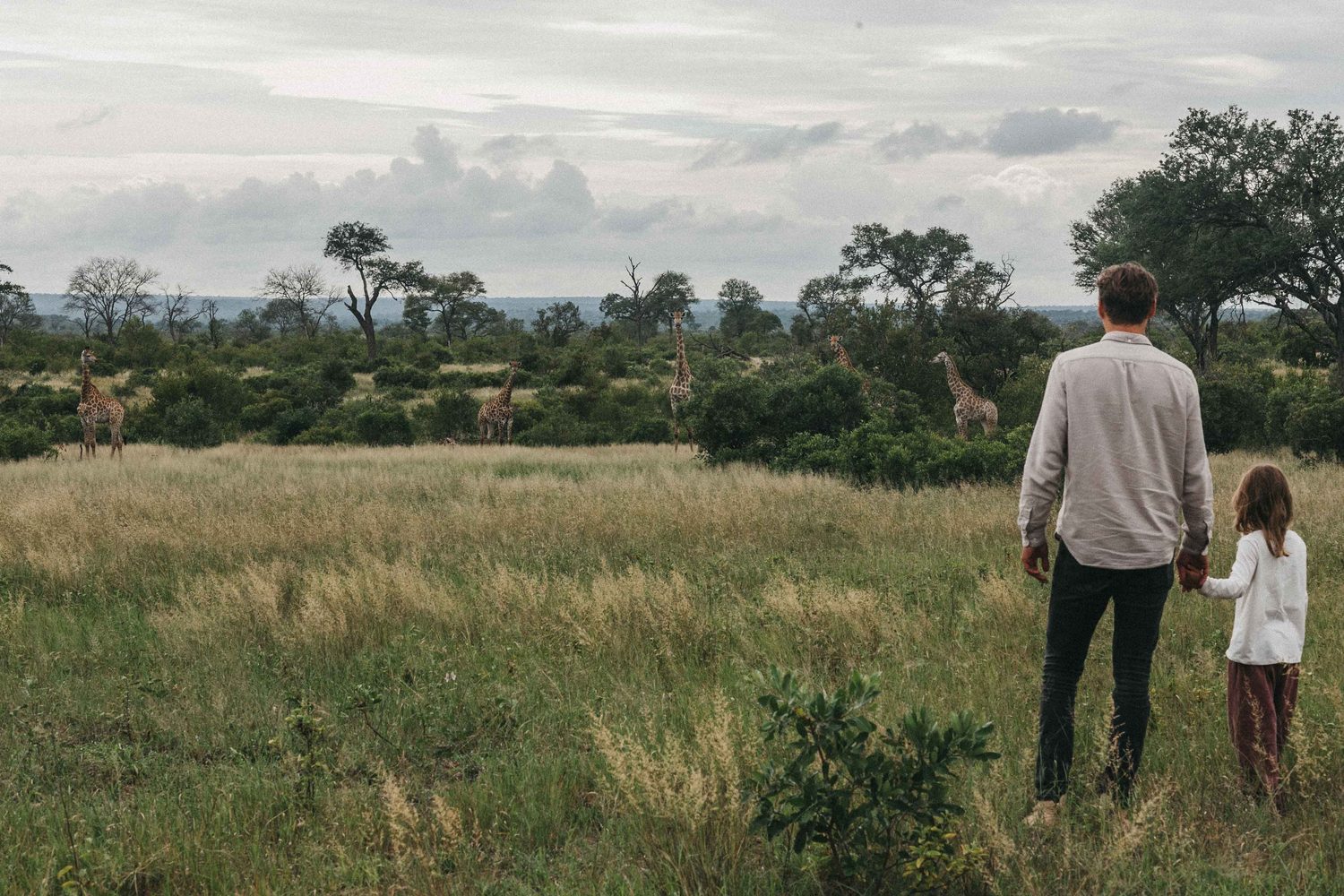
6:30 AM. Out with your guide. The radio stays quiet unless needed. A line of giraffes is already stepping into the light like a procession.
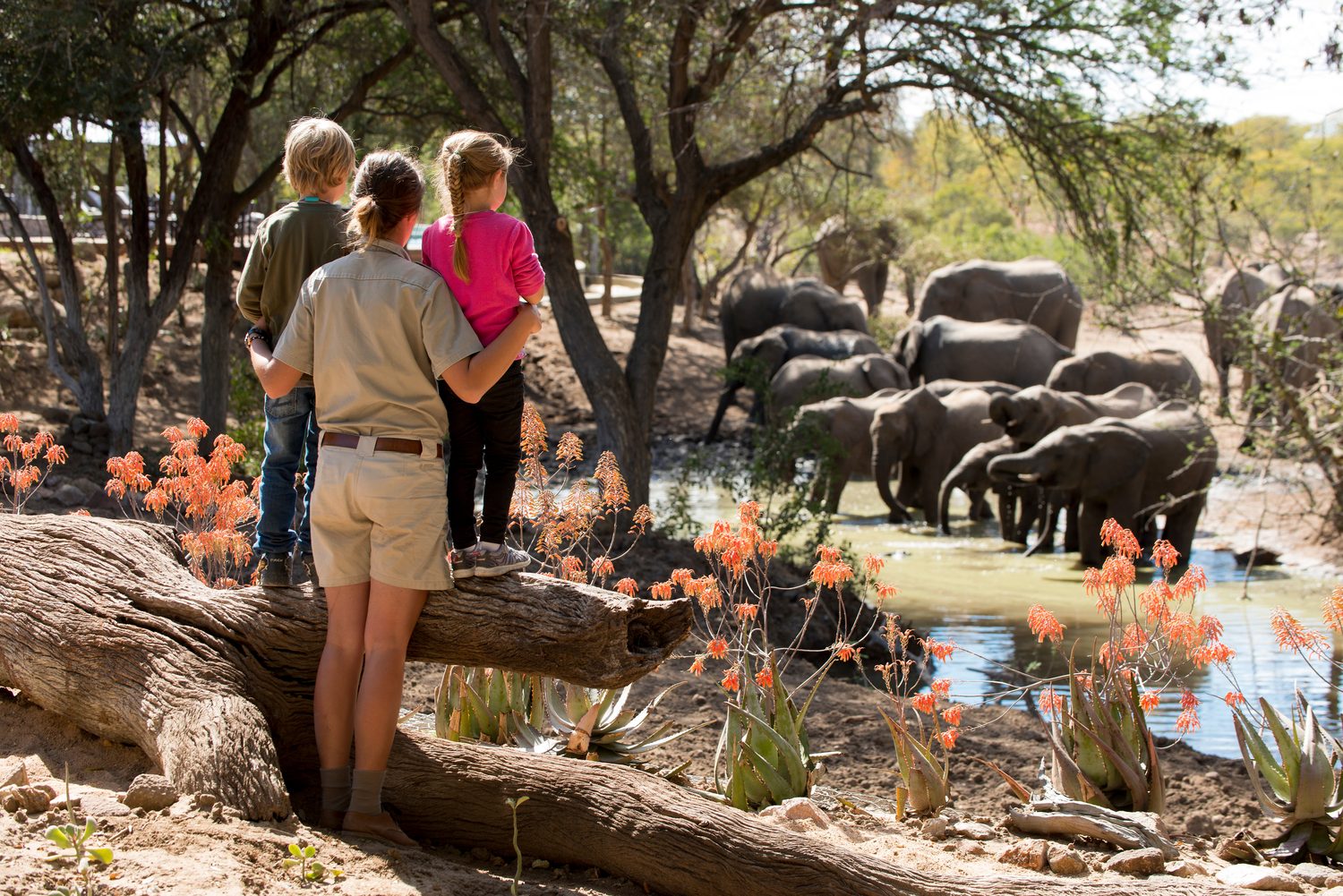
9:30 AM. You stop by a shallow pan. Hippos argue. A fish eagle throws its voice across the morning. The older children try the binoculars; the youngest wants to learn tracks. Your guide kneels and the ground becomes a page.
11:00 AM. Back to the villa. Brunch is unhurried. The pool is warm. A grandparent reads, a teenager vanishes with a camera, a parent naps and admits it.
3:45 PM. Tea, cake, the distant rumble of weather building somewhere else. The second drive is shorter today. A coalition of cheetah is on the move. You wait ten minutes longer than you thought you would, and it pays for itself.
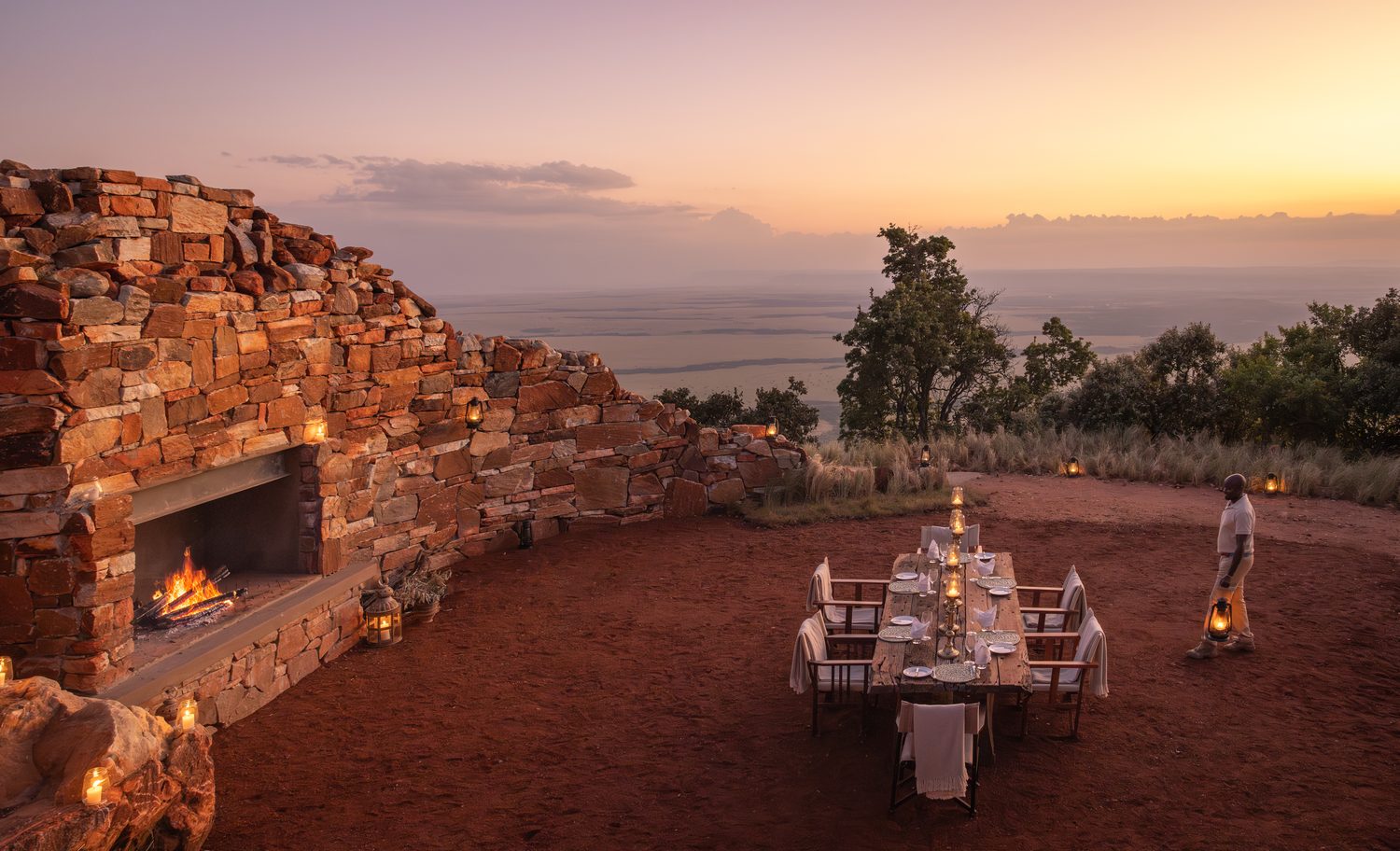
7:30 PM. Lantern-lit dinner under a sky so complicated with stars you stop trying to count them. Marshmallows for some, Malbec for others. A jackal calls. You walk back with a ranger. Sleep comes like a soft door closing.
That is a day. Tomorrow is different, because you are.
Planning Around Every Age
Three to Seven
They live in the sensory: heat, dust, hooves, the feel of the Land Rover's seat under small hands. Shorter drives, earlier dinners, more time by the pool or in the garden looking for dung beetles. They do not need a list of the Big Five. They need a story that belongs to them, like the time they saw a giraffe bend, or the sound hyenas make when they laugh for real.
Eight to Twelve
Prime imprinting age. They ask pure questions and wait for real answers. They love structure disguised as play: track-and-sign lessons, scavenger hunts that teach without announcing a lesson, junior ranger activities where they bring a new skill to dinner and are applauded like adults.
Teenagers
They live on the ridge line between independence and togetherness. Give them agency and a lens. A morning in a hide with an earpiece and a ranger feels like privilege, and so does a walking safari, where they learn that the bush has rules and that they can read them. Minimum ages for walking vary by reserve, so we check before we promise.
Grandparents
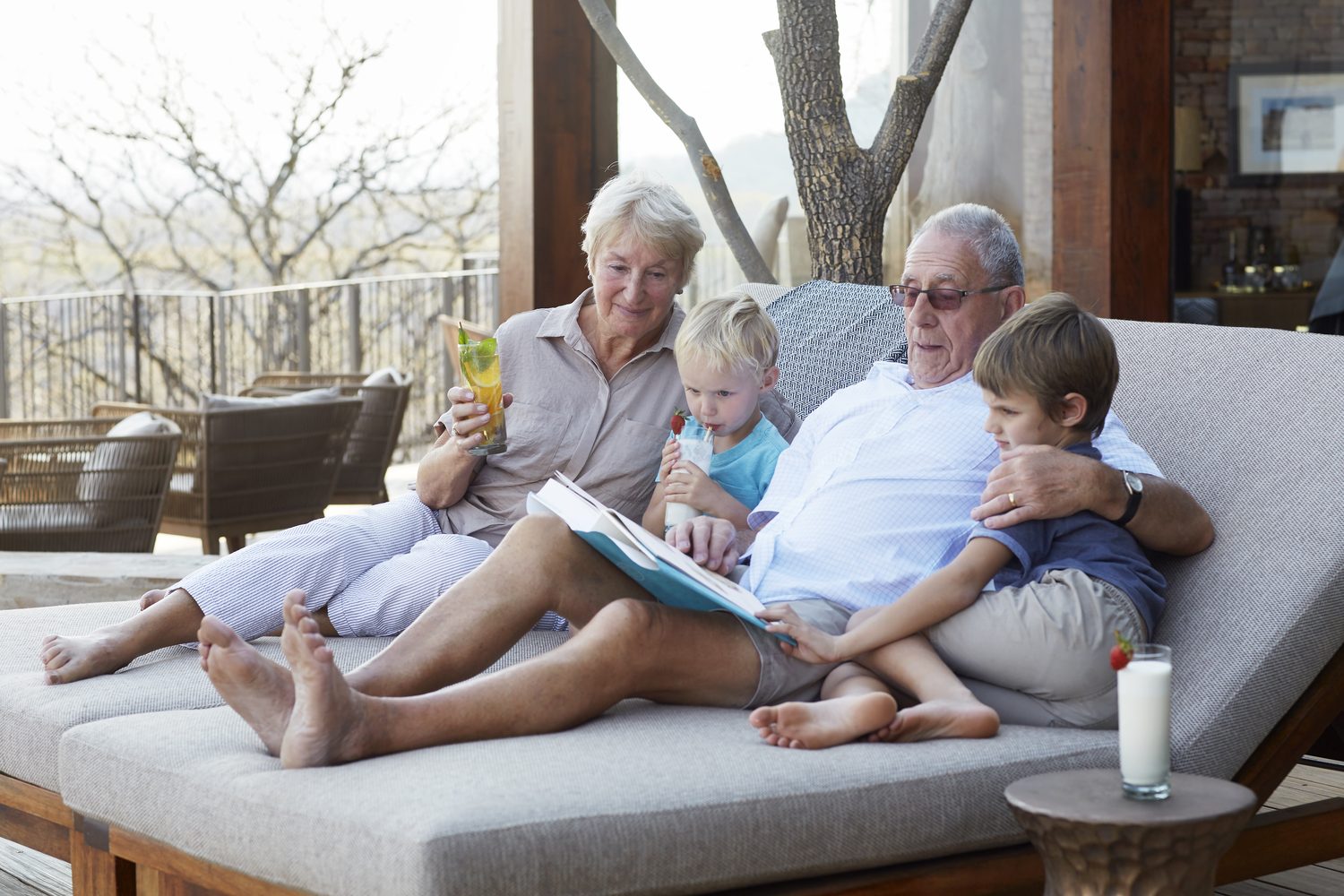
They thrive when the day respects energy. A villa is a gift here: their room stays a room rather than a thoroughfare. Drives run longer on the days they are up for it and shorter when they are not. The bush is not a marathon; it is a series of small, exquisite sprints. Shared awe is the best translator between generations we have found.
Time for the Adults
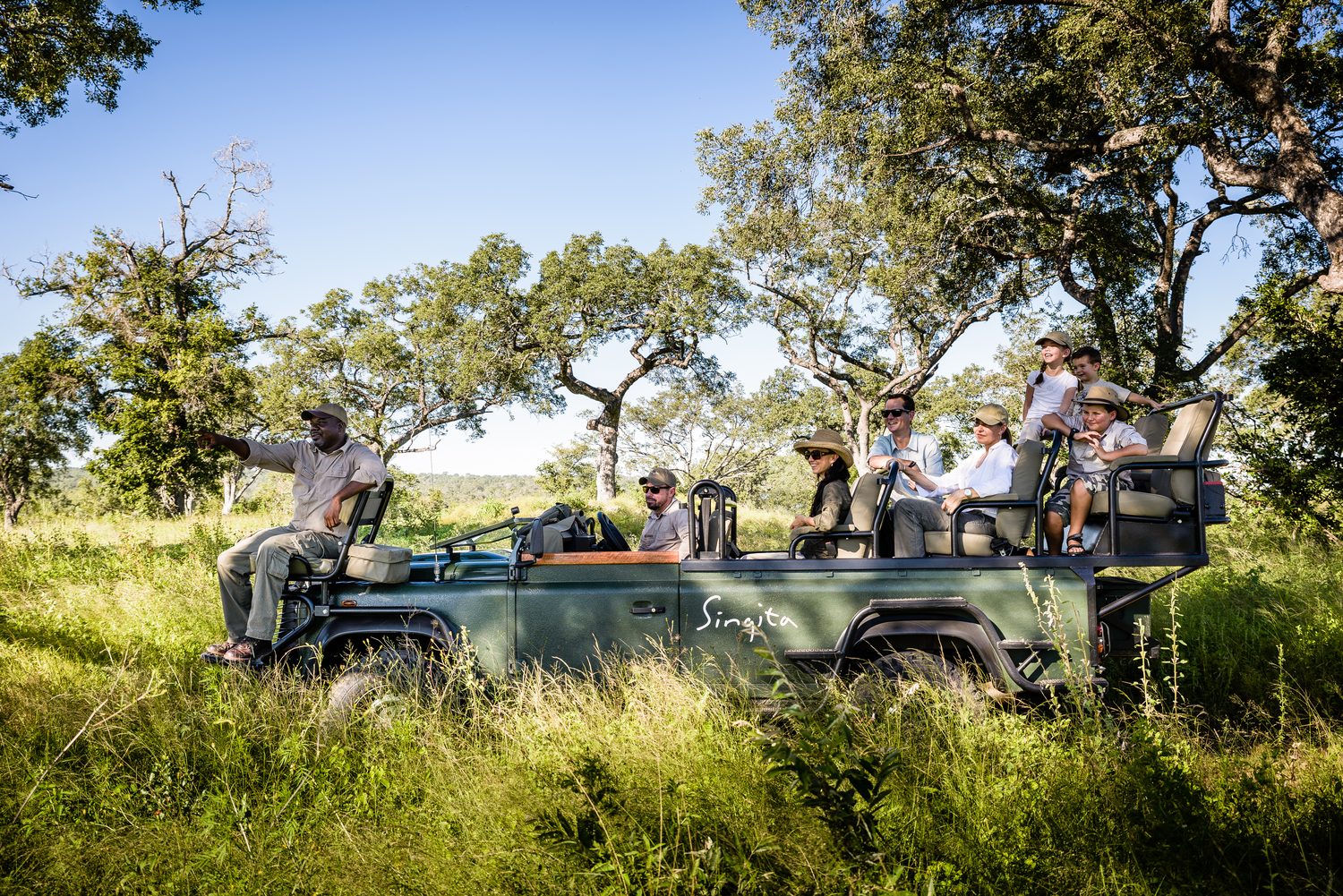
A family safari should still include a dinner that belongs to the grown-ups, and the better family lodges make it easy. &Beyond's WILDchild program, offered at its family-friendly lodges, turns tracking, fishing, beading and bow-making into adventures of their own, and Singita's Mini Rangers course teaches tracking, bush survival and a little astronomy. In the evening, trained lodge staff can sit with younger children, usually booked in advance and sometimes at an extra charge, so parents can linger over dinner or take a late drive. Offerings vary from camp to camp, and we match them to your children's ages when we choose where you stay.

Health, Safety, and Packing
Malaria and Medical Cover
Malaria-free reserves remove a layer of decision-making for many families, and we name the best of them in the questions below. The Greater Kruger, for all its leopards, is not one of them. Elsewhere, prophylaxis is standard across the East African circuits and much of the Zambezi, and we plan with your physician's guidance, your season and your route. Your doctor makes the medical calls; we make sure you have what you need to ask the right questions.
Vehicles can be fitted with child seats given notice. Chefs are brilliant with allergies, curiosities and picky phases that fade when dessert appears under the Milky Way. Lodges maintain trained first-aid staff, and evacuation coverage sits quietly inside comprehensive insurance. We set it up and explain the fine print in human terms.
Packing, Simply
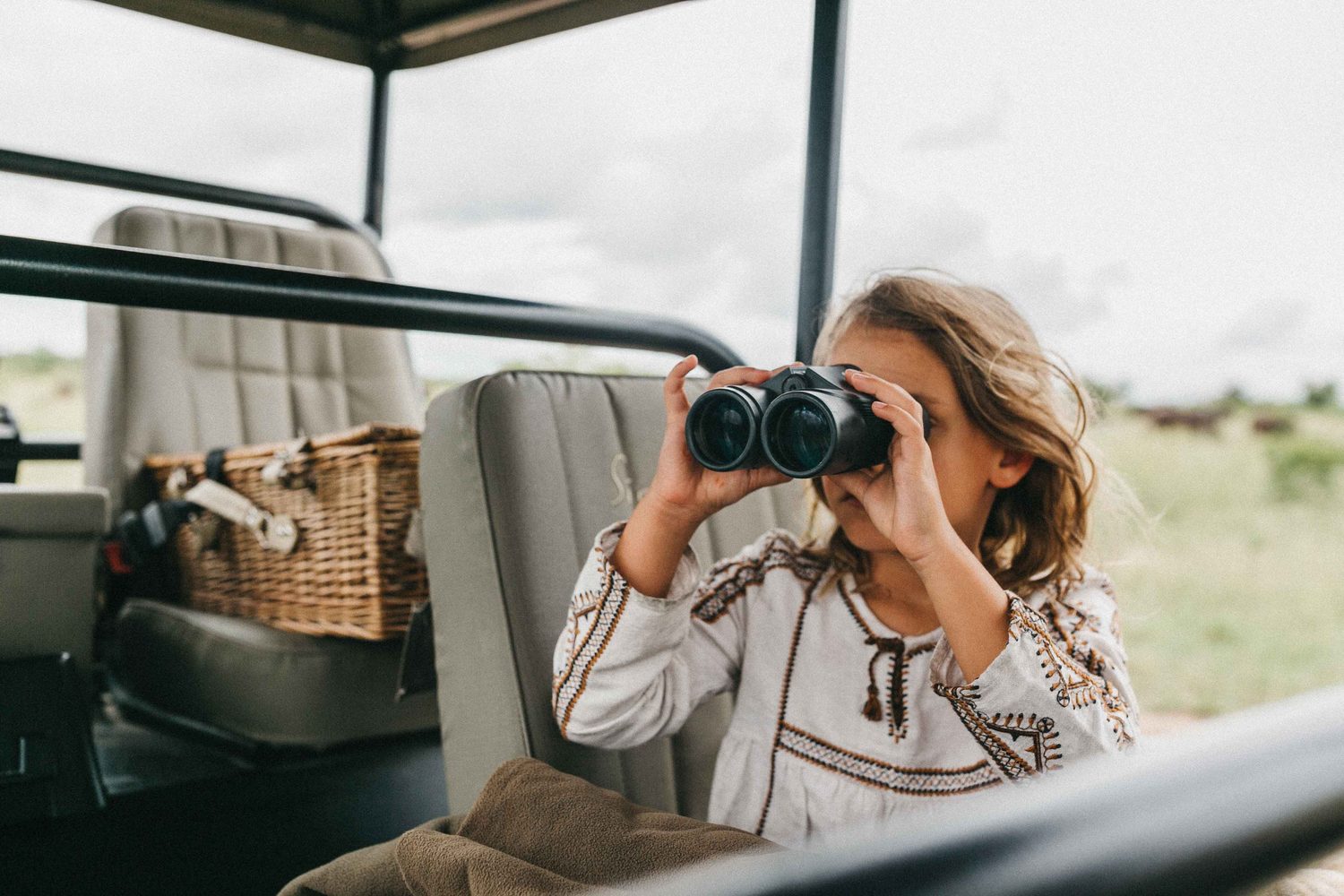
Less is liberation. Layered neutrals, a warm morning layer, shoes that are already your friends. Camps handle the rain gear. Soft-sided luggage for bush flights, and remember the weight limit includes your hand luggage. Binoculars for the children, since camps generally keep a pair per couple for the adults. Children traveling to Botswana or Namibia need a long-form birth certificate, which we flag early enough that it never becomes a scramble. The full list lives in African Safari Clothing & Packing List.
When to Go
Dry season, June through October across much of the map, is clean and classic: short grasses, big skies, wildlife concentrating around water, comfortable temperatures. It suits first safaris beautifully and aligns with many school calendars, which is also why it is the most expensive and the most booked.
Green season, roughly November through April, is mood and drama: newborns, storm light, fewer vehicles and friendlier rates. Shoulder months, May and November, can feel like private screenings.
You are choosing the feeling you want to remember when the photographs are framed. Crisp and golden, or luminous and green. We match your windows, whether that is summer break, winter holidays or a milestone birthday, to the places that sing in those months. The month-by-month picture is in Best Time to Go on Safari.
Four Journeys That Work
The ease and elegance arc, malaria-free. Cape Town for rhythm and re-entry, the Kalahari for red-sand hush and meerkats at arm's length, the Eastern Cape for classic Big Five without the medication conversation. Private villas anchor each stop.
The classic East Africa flow. Laikipia's private highlands for walking, riding and night drives; the Maasai Mara for wide-screen drama; Zanzibar for warm water and a slow exhale. The Migration may play a role depending on the month, and the story works year-round if you choose well.
The water and wonder sequence. Botswana's private concessions for silence and predators that operate like rumor; the Zambezi at Victoria Falls for awe in all caps; a finale in the Cape Winelands where the grandparents suggest a tasting and the teenagers admit that mountain light tastes like something too.
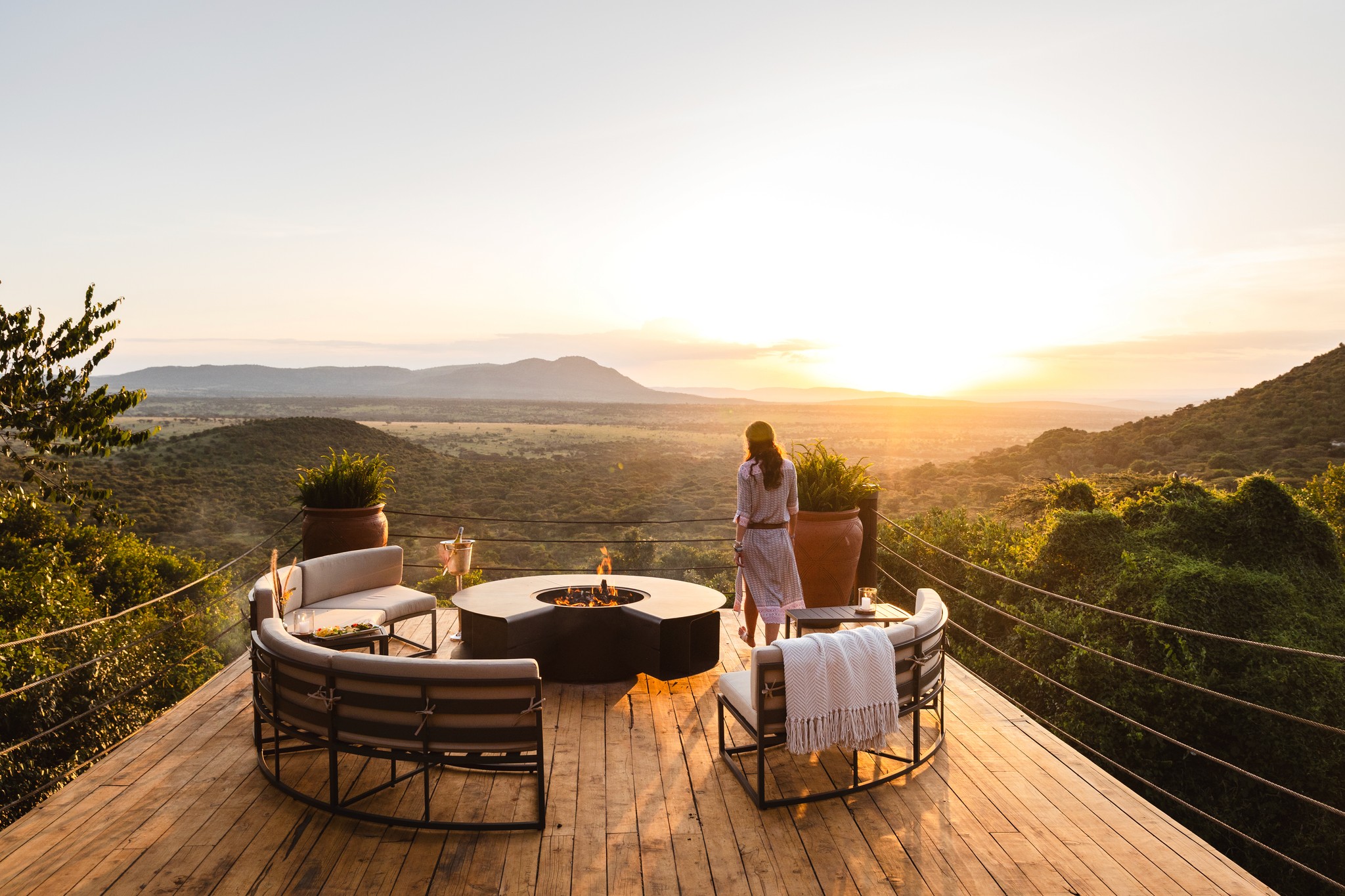
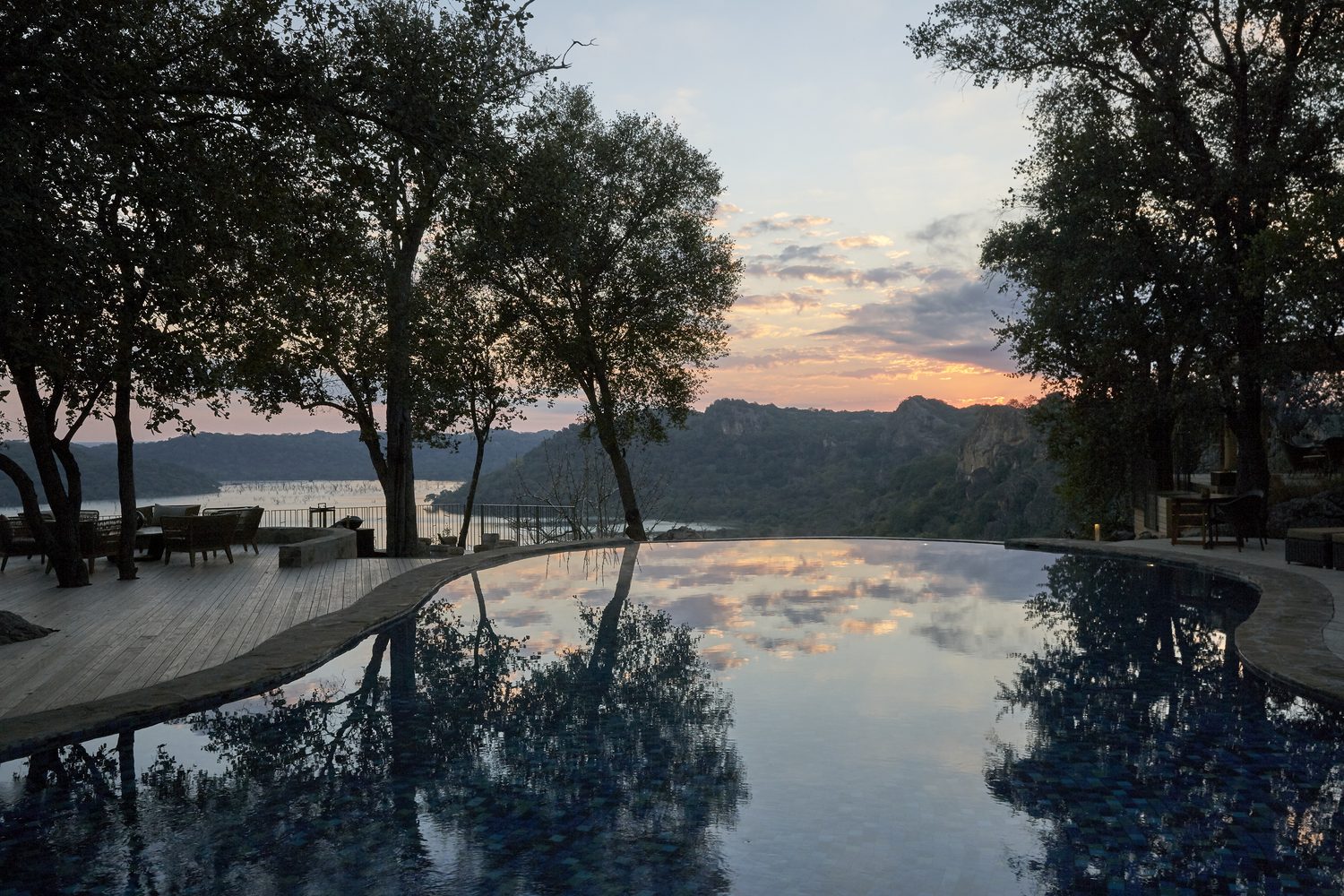
The private house, bush and beach. Singita Malilangwe House, which we have stayed in ourselves and consider one of the finest family set-ups in Africa: five bedrooms on a sandstone ridge above the Malilangwe lake, taken exclusively by your family with a private chef, butler, field guide and vehicle. Game drives and guided walks by day; on the lake, fishing and a sundowner cruise, then stargazing from the ridge. Afterward, down to the Cape, or across to Mozambique's Bazaruto Archipelago for snorkeling, diving and a dhow under sail at sunset. It is the rare itinerary where every generation gets a different kind of wild.
The Beach Exhale
Endings color memory. A few days on the Indian Ocean, whether that is Zanzibar's spice-soft air, the sculpted granite of the Seychelles or Mozambique's quiet archipelagos, give everyone time to file the week into long-term storage. Sand rinses dust. Salt loosens the grip of adrenaline. There is room at the table for stories rather than only photographs. It is not necessary. It is beautiful. More arcs like these in Safari Itineraries.

The People Who Make It
A house is beautiful because of the people who move through it. A vehicle becomes a classroom because of the person at the wheel. We choose teams who know when to speak and when to let the moment explain itself, who understand that families are made of different mornings, who can turn a lesson in spoor into a magic trick and a long wait into the best story of the week.
You notice it in small acts. The tracker who shifts a child's seat so they see the leopard before anyone else. The chef who sneaks in a favorite dessert on the last night. The butler who learns how each person takes tea on day one and never asks again.
Education Disguised as Wonder
You can call it experiential learning if you like. We call it the moment a child sees that a termite mound is an air-conditioning system, or the way a guide corrects a field myth with a joke that sticks, or the sound of a fourteen-year-old realizing that a lioness can vanish by sitting down in grass they could have walked through.
Conservation becomes tangible when you see a collar and learn why it matters. Community becomes tangible when a dance is an invitation rather than a performance. Culture becomes tangible when a story is told around a fire rather than on a stage. A good itinerary builds these into the week without turning the week into school.
Cameras, Briefly
Bring a camera that lets you stay in the moment, shoot the gesture rather than only the animal, and then put it down. Phones do more than people expect: brace on the rail, tap an eye, lower the exposure a hair. The deeper primer is Safari Photography.

Money, Value, and the Real Inclusions
A luxury family safari is an investment, and the value lives in what you never notice: the vehicle waiting where you did not know you would need it, the chef who built a menu around an allergy without announcing it, the conservancy whose fees keep the place intact.
Villas price by the residence rather than by the head, which is why a house that looks extravagant for two becomes rational for six or eight, with a private vehicle and guide included. The total rises and the per-person figure often improves. Shoulder months can save twenty to thirty percent, though the holidays price at or above peak. The full arithmetic is in How Much Does a Luxury Safari Cost?.
Family Safari Questions, Answered
What is the minimum age for a safari?
It varies by property rather than by country. Many lodges welcome children from six, some set the bar at twelve for shared game drives, and walking safaris usually start at sixteen. But some properties are built for families and set no minimum at all. Morukuru Family in Madikwe, for one, welcomes children of every age on game drives, in exclusive-use houses with their own vehicles, in a malaria-free reserve. More broadly, once you have your own house, vehicle and guide, the minimum age is whatever your family decides. We confirm each property's policy before it reaches your proposal.
Are there malaria-free safari options for families?
Yes, and they are genuinely excellent rather than a compromise. South Africa's Eastern Cape, including Shamwari, and Madikwe both offer Big Five viewing with no malaria risk, and the Kalahari, at Tswalu, adds four of the Big Five without elephants. That is why so many first family safaris start there. Welgevonden, in the Waterberg, is a strong option too: CDC rates the area low-risk and recommends no antimalarials, only bite precautions. Your physician still makes the call for any route.
Is Kruger malaria-free?
No. Kruger National Park and the private reserves around it, including the Sabi Sand, are in a malaria area, with the highest risk in the wet months from November to April, and the CDC advises prophylaxis year-round. For a malaria-free safari in South Africa, look to the Eastern Cape, Madikwe or the Kalahari. The Waterberg, home to Welgevonden, is low-risk rather than malaria-free. Your physician makes the medical call.
Can young children go on game drives?
With a private vehicle, yes, and it changes everything. You set the length, turn back when attention fades, and stop for the tortoise that a six-year-old finds more interesting than the lion. On a shared vehicle a restless child is a problem for eight other guests; on your own it is simply your morning.
How much does a family safari cost?
$1,500 per person per day on the ground is the starting point at the level we design, and many journeys sit above it. For larger families the per-person figure often improves, because exclusive-use villas price by the residence rather than the headcount: a family of six in a private house can pay less each than a couple at the same standard.
When is the best time to take children on safari?
July and August coincide with both peak wildlife conditions and school holidays, which is convenient and expensive in equal measure, so book twelve to eighteen months ahead. December and the Easter weeks work well in Southern Africa, particularly in the malaria-free reserves.
Do lodges have family rooms or interconnecting suites?
Many do, and the better ones have proper family suites rather than a rollaway bed in a corner. But interconnecting rooms are the most requested and least available thing in safari, so they drive booking timelines more than almost anything else. A villa removes the question entirely.
The Reverie Safaris Way
We begin with a conversation and a blank page. We ask what calls to you, the pace, the light, the feeling you want when you look back, and we build the scaffolding around that. Privacy is a feature rather than an afterthought, and discretion is the default.
We have slept in these rooms, taken our own families on these drives, argued about the best coffee spot at dawn, and changed plans mid-journey when weather or instinct asked for it. We know where villas keep the binoculars, which lodges still carry sketchbooks in the library, and how to put you in the right place when the bush decides to break your heart open.
Tell us the ages, the windows, and how your family moves. Begin the conversation whenever you are ready.
The Printable Safari Packing Checklist
Four designed pages, free: the complete checklist, the landscape palette, packing by season, and traveling with children. Tell us where to send it.
Read Further



The last word
You can plan safari as a checklist of sightings, or as something that changes your family. We're after the second one.
Tell us the ages, the windows, how your family moves. We'll design the route.

" height="6.799809999999999px" id="UnPIFpqy2" transform="translate(4.733 4.667)" width="6.799800000000001px"/><path d="M 0.8 0 C 1.267 0 1.6 0.4 1.6 0.8 C 1.6 1.267 1.266 1.6 0.8 1.6 C 0.333 1.6 0 1.267 0 0.8 C 0 0.334 0.333 0 0.8 0 Z" fill="rgb(165, 176, 170)" height="1.6000999999999999px" id="wjKJl84P4" transform="translate(10.867 3.733)" width="1.6000999999999994px"/><path d="M 7.333 0 C 8.533 0 8.8 0.067 9.4 0.067 C 10.467 0.134 11.466 0.4 12.2 1.133 C 12.933 1.867 13.2 2.867 13.267 3.934 C 13.333 4.533 13.333 4.8 13.333 6 L 13.333 7.333 C 13.333 8.533 13.267 8.8 13.267 9.4 C 13.2 10.467 12.933 11.467 12.2 12.2 C 11.466 12.933 10.467 13.2 9.4 13.267 C 8.8 13.333 8.533 13.334 7.333 13.334 L 6 13.334 C 4.8 13.334 4.533 13.267 3.933 13.267 C 2.8 13.2 1.867 12.933 1.133 12.2 C 0.4 11.467 0.133 10.467 0.066 9.4 C 0 8.8 0 8.533 0 7.333 L 0 5.934 C 0 4.734 0.066 4.467 0.066 3.867 C 0.066 2.8 0.333 1.867 1.133 1.067 C 1.867 0.334 2.8 0.067 3.866 0.067 C 4.466 0 4.733 0 5.933 0 Z M 6.666 1.2 C 4.933 1.2 4.733 1.267 4 1.267 C 3.266 1.333 2.533 1.467 2 2 C 1.466 2.533 1.333 3.267 1.267 4 C 1.2 4.667 1.2 4.867 1.2 6.667 C 1.2 8.4 1.2 8.6 1.267 9.333 C 1.333 10.067 1.466 10.8 2 11.333 C 2.533 11.867 3.266 12 4 12.067 C 4.666 12.134 4.866 12.133 6.666 12.133 C 8.4 12.133 8.6 12.067 9.333 12.067 C 10.066 12 10.8 11.867 11.333 11.333 C 11.866 10.8 12 10.067 12.066 9.333 C 12.133 8.6 12.133 8.4 12.133 6.667 C 12.133 4.934 12.066 4.733 12.066 4 C 12 3.267 11.866 2.533 11.333 2 C 10.8 1.467 10.066 1.333 9.333 1.267 C 8.666 1.2 8.466 1.2 6.666 1.2 Z" fill="rgb(165, 176, 170)" height="13.3335px" id="W1sWTdVhE" transform="translate(1.467 1.467)" width="13.33300001940264px"/></svg>)
" height="12.000010000000001px" id="Px7drxAPR" transform="translate(4.133 2.134)" width="7.53329px"/></svg>)
" height="13px" id="RXaPy7s6t" transform="translate(0.838 1.5)" width="14.381208999999998px"/></svg>)
" height="11.99998861028647px" id="xgm2Ladnt" transform="translate(2.036 2)" width="11.92787px"/></svg>)
" height="9.26662px" id="tz2Esvrs4" transform="translate(1.467 3.567)" width="13.333300000000001px"/></svg>)