The Fundamentals
Best Time to Go on Safari
Seasons, rhythms, and the art of arrival.
By Hans Arnesen, Founder of Reverie Safaris · Updated September 2026
Best Time to Go on Safari
Seasons, rhythms, and the art of arrival.
There's a question people ask that sounds simple but never is: when should I go?
They're usually thinking about weather, or about the wildlife movements they've read about. The Migration's river crossings. Calving season. The months when visibility is best. What they want is the safest bet, the window when Africa will cooperate most reliably with their expectations.
Here is what we've learned from years of sending travelers and listening to what they say when they come home: the best time to go on safari isn't found on a calendar. It's found in a conversation about what you want to feel.
Dry season and green season are both Africa, speaking different dialects of the same language. The Maasai Mara in July thunders with Migration drama; the Mara in November whispers with intimacy and newborn Thomson's gazelles. Botswana's Delta floods from May to September, creating water where there was dust, while October through April reveals channels gone dry and concentrations of elephant and buffalo that rewrite your understanding of the word herd.
So the real question isn't when Africa is best. It's what you want the light to look like, and how you want time to feel: the reassurance of peak season's predictable abundance, or the drama and solitude of the green months.
The Short Answer
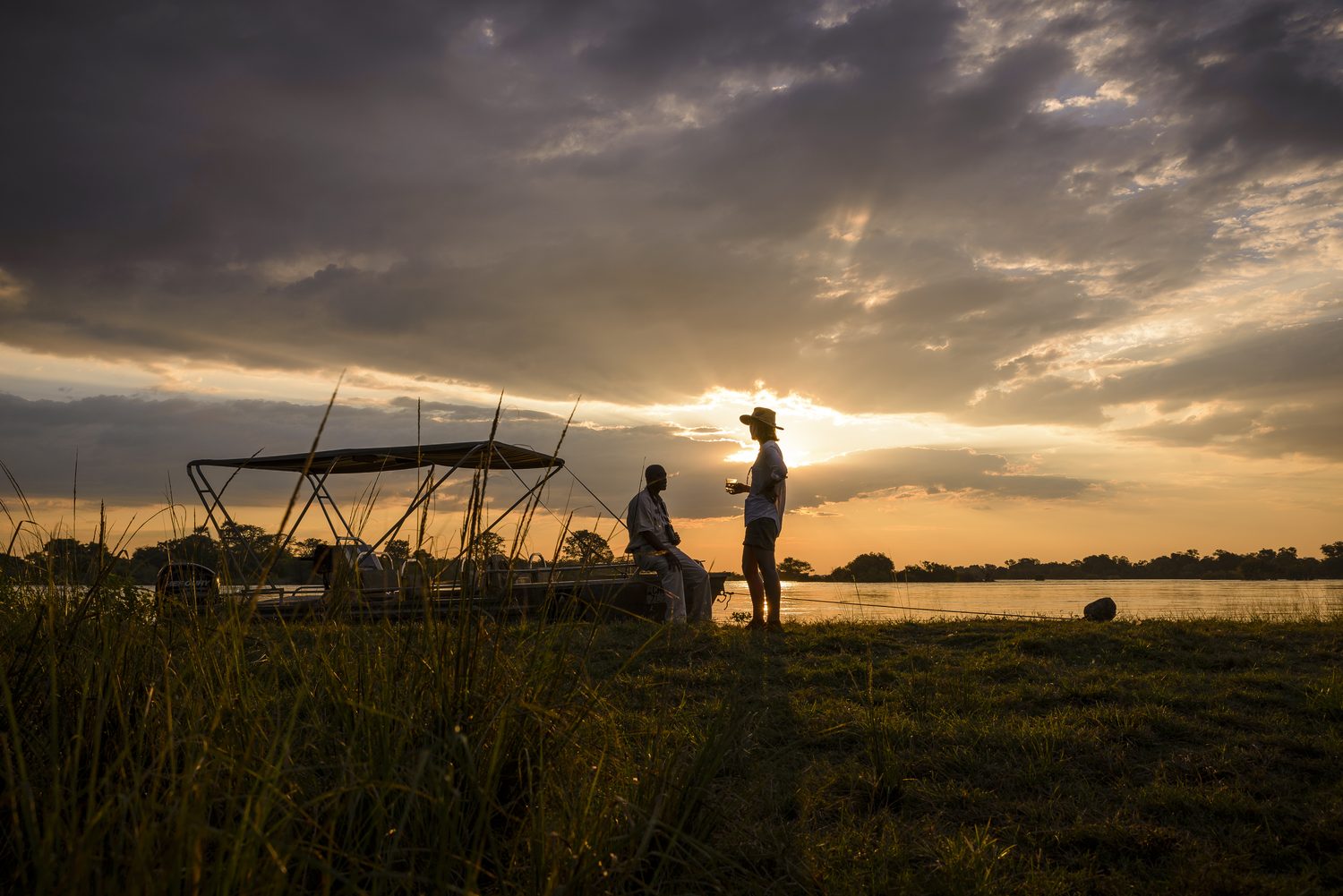
The best time to go on safari in Africa, if you want one window, is June through October. Across most of Africa these months deliver short grass, concentrated wildlife, comfortable temperatures, and the highest probability that the safari you imagined is the safari you get. In Kenya and Tanzania they also carry the Migration north toward the Mara River crossings.
If you want the better-kept secret: January through March. The southern Serengeti fills with calving wildebeest, predators work at capacity, the light turns theatrical, and rates sit well below peak.
And if your dates are already fixed by school or work, that is not a compromise. It is the most common situation we plan around. Somewhere in Africa is always having a good month; the craft is matching your weeks to the right place rather than forcing the right place into the wrong weeks. The rest of this guide is how that decision gets made, and it sits alongside How to Plan an African Safari for everything that follows the date.

What You're Actually Choosing Between
Most timing advice treats the question as optimization: find the perfect window, book it, done. But safari is weather and grass and old animal rhythms that care nothing for a spreadsheet.
So the two seasons below are not a better option and a worse one. They are two different trades, and the travelers who come home happiest are the ones who understood which trade they were making. Here is what each one actually costs and gives.

Dry Season: May to October
This is Africa with the contrast turned up. Skies so blue they ache. Dust that catches morning light and turns ordinary moments golden. Grass cropped short by months without rain, revealing the stage where predator and prey negotiate their ancient contracts. Those months do shift by region: Southern Africa begins drying out in May, while East Africa's long rains usually clear by the start of June.
Animals gather at rivers and waterholes not because a guide arranged it but because water has become scarce enough to matter. You park at a pan in the Mara or a channel in the Delta and watch an entire ecosystem arrive on schedule: elephants first, then buffalo, then the cats who know exactly where the buffalo will be. It isn't manufactured. It's hydrology producing theater.
This is when most travelers come, because this is when safari delivers most reliably. The Great Migration, that overwhelming river of wildebeest and zebra, typically reaches Kenya's Maasai Mara from July through September, with the Mara River crossings at their most frequent in August, and those crossings become the moments people wait years to witness. Botswana's Okavango Delta floods across these same months, creating water-based safaris through channels that exist only seasonally: mokoro rides at dawn, hippos surfacing beside the canoe, lilies blooming improbably in a desert.
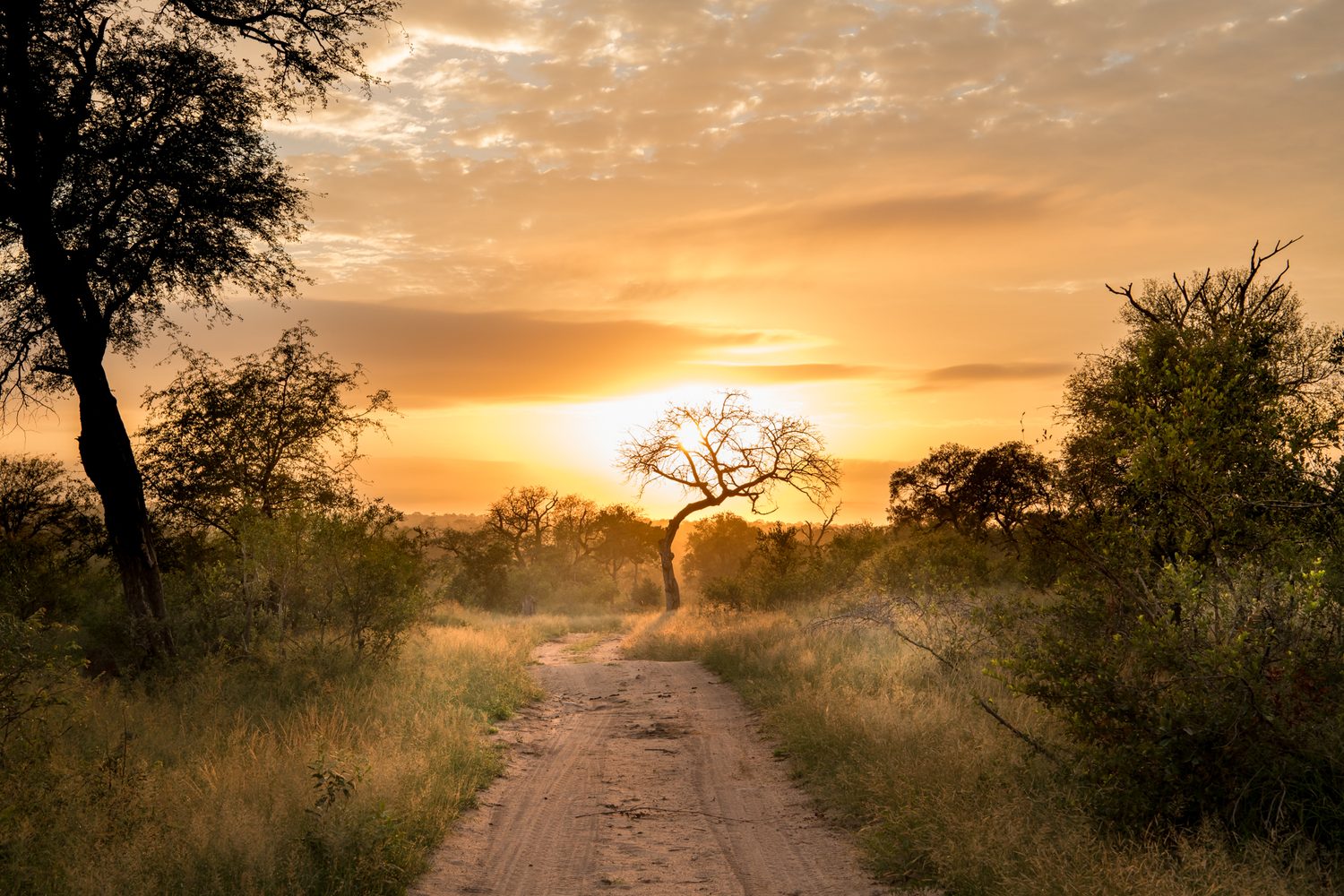
The light is what photographers dream about. Crisp mornings that paint everything amber, sharp shadows that define muscle and horn, sunsets that move through a dozen iterations of gold and rose before surrendering to cobalt and to stars so dense they look applied with a roller.
Temperatures cooperate, though altitude tempers them more than the latitude suggests. Dawn drives in the Mara or the Serengeti typically start in the upper 50s, and closer to 40°F when a cold front pushes through, climb into the low 80s by midday, and settle back into the upper 50s after dark. Botswana and Namibia run colder still at first light in June and July, when nights hover near 40°F and the Kalahari can dip below freezing. Cool mornings call for real layers, warm middays suggest a nap, and evenings stay comfortable enough that you linger over dinner rather than retreat to your tent. There's a reason this is called peak season. It peaks.
What you trade: everyone else worked this out too. The camps worth flying that far for book twelve to eighteen months ahead in prime months. Rates reach their highest point of the year. And at popular sightings, particularly during the Migration, you may share the moment with five or eight or twelve other vehicles. It is still extraordinary. It is not solitude.
For what to bring when dawn drives run cold and middays run hot, see African Safari Clothing & Packing List. For how the camps themselves differ, see Where to Stay on Safari.
Green Season: November to April
People who have experienced both sometimes call this the secret season, which isn't quite right. It isn't secret. It's misunderstood.
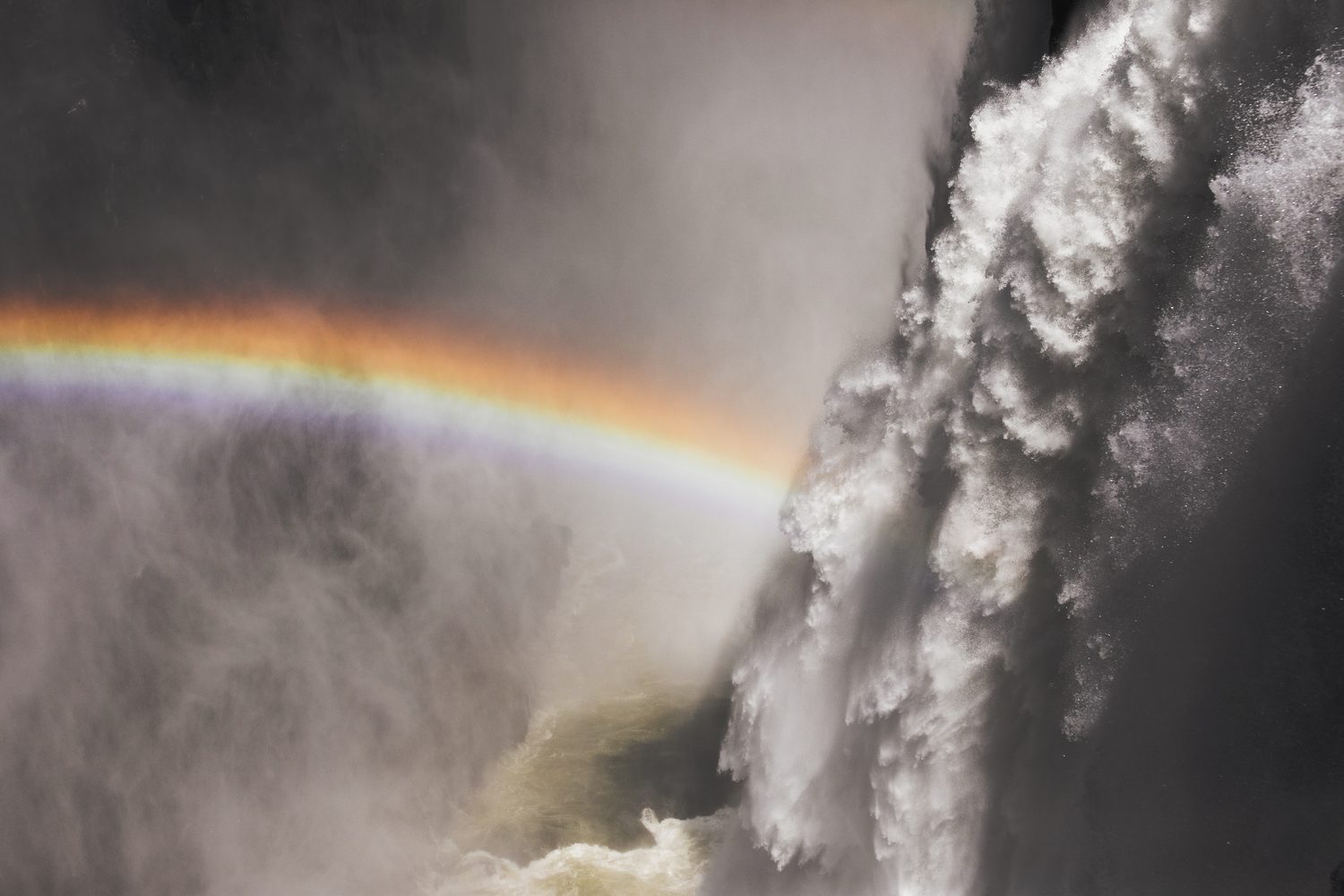
This is Africa reborn. The first rains arrive like revelation: afternoon storms that build through the day and break with theatrical violence, turning dust into perfume. Within days, landscapes you thought you knew green up completely. Grass surges. Trees explode into new growth. Birds arrive in breeding plumage that makes their dry season selves look like rough drafts.
This is calving season across much of East Africa, late January through March in the southern Serengeti particularly, with February the clear peak, when hundreds of thousands of wildebeest give birth within a synchronized few weeks. The evolutionary logic is to overwhelm predators through sheer abundance, and watching it unfold is like witnessing a negotiation between life and death. Newborns everywhere. Lions feeding constantly. The particular intensity that comes from predators working at capacity.
The light becomes something else entirely. Storm clouds stack through the afternoon and diffuse the sun into saturation. When rain crosses the plains in visible curtains and sun breaks through at the same moment, you get scenes that don't look real even while you're standing inside them. Photographers who know what they're doing often prefer these months for exactly this reason. The drama is built in.
And crucially: fewer people. Camps that were full every night in August suddenly have space. Rates fall twenty to forty percent, with one exception worth knowing: the holidays, from late December into early January, price at or above peak. Most of the complimentary-night offers the operators run fall in these months too, and the current ones are on our Safari Offers page. You may be the only vehicle at a sighting, which changes the nature of the encounter entirely. No radio chatter, no pressure to move along, just you and your guide and a leopard who has been watching you both without much concern.
Temperatures are gentler than the rains suggest: mornings in the low 60s rather than the upper 50s, afternoons in the mid-80s and humid, with the heat broken rather than built by the storms. The insects arrive with the water, which matters more than most timing guides admit. Standing water means more mosquitoes, so long sleeves at dusk carry more weight in these months. Antimalarials, though, are recommended year-round across the East African circuits and much of the Zambezi, not only in the wet season, so take medical advice for your specific route. It is one honest reason some families choose a malaria-free or very low-risk reserve in South Africa, such as Madikwe, the Eastern Cape or Welgevonden, instead.
What you trade: some roads become impassable, and a few camps close for the wettest weeks. Wildlife spreads across newly green country rather than concentrating at permanent water, so sightings ask for more searching, more patience, and more trust in a guide's ability to read the landscape. The weather can be glorious or it can rain for three days. You might spend an afternoon watching wild dog pups tumble outside a den, or watching clouds decide whether to deliver on their promise. For some travelers that unpredictability is unacceptable. For others it is the entire point: Africa on its own terms rather than optimized for convenience.
For what those skies do for a camera, see Safari Photography. For what the season does to a budget, see How Much Does a Luxury Safari Cost?

Best Time for Safari by Country
Africa is vast and various, and seasons don't respect borders. But some patterns hold, and they are worth knowing before you fix a month. Where these play out differently is the whole reason we start with destination before date. More in our safari destination guides.
South Africa
South Africa's private reserves, the Sabi Sand and the Greater Kruger among them, are excellent all year. Winter, May to September, is dry: thin bush, animals drawn to water, cold mornings and clear, warm days. Summer, October to April, is green, hot and stormy, with newborns and superb birding. The Greater Kruger is a malaria area, with the highest risk in the wet months, while the Eastern Cape, Madikwe and the Kalahari are malaria-free all year. The Cape reverses the pattern: it is the country's one winter-rainfall region, wet from June to August and at its driest and brightest from December to February, and whales pass the coast from July to November. For the family lodges we would choose first, most of them in South Africa, read Family Safari Lodges.
Kenya
June to October is the classic window, dry and cool at altitude, with the Migration in the Maasai Mara usually from July to September. January and February are a second, quieter dry spell. The long rains fall from March to May and the short rains in November and December, and Laikipia's private conservancies work well for most of the year.
Tanzania
On the northern circuit, June to October is dry season, with the herds in the northern Serengeti for the river crossings from about July to September. From late January into March they calve on the southern Serengeti plains, peaking in February, the best-kept secret on the calendar. March to May is the quietest time, and some camps close. The southern parks, Ruaha and Nyerere, are best from June to October.
Botswana
Botswana runs on water. The Okavango's flood arrives from Angola around May and lasts into September, the season for mokoro trips and water-based safaris. October is hot and dramatic at the last water. The green months, November to April, bring newborns, migrant birds, lower rates, and a zebra migration across the Kalahari's pans.
Rwanda and Uganda
Gorilla trekking runs all year, with the firmest ground and easiest hiking from June to September and again from December to February; Rwanda's short rains begin early, from mid-September. Why the month matters less than you'd think is below.
Zambia, Zimbabwe and Namibia
Zambia and Zimbabwe peak late in the dry season, August to October, when game crowds the last water along the Zambezi and the Luangwa, and many seasonal camps close for the rains. Namibia's desert is most comfortable from May to October.
The Migration Follows Grass, Not a Schedule
The rough calendar: December through March finds the herds on Tanzania's southern Serengeti plains, with calving concentrated from late January into March and peaking in February. April through June they begin the long march north. July through September they are typically in the northern Serengeti and Kenya's Maasai Mara, attempting the river crossings that justify every wildlife documentary ever made. October and November they head south again, completing the circuit.
But the Migration does not publish a timetable. It follows grass and rain. Some years the herds cross early, some years late, and some years they barely cross the Mara River at all because there is enough grass to keep them in Tanzania. This is why we position you in the right region during the right window rather than selling you a specific event on a specific date that nature never agreed to.
Month by Month, at a Glance
A compressed view of the year, with the caveat that every line below bends to the weather of that particular season. The same year, split into east and south, is in East Africa vs Southern Africa.
January to March – Calving in the southern Serengeti, peaking in February, predators at their most active, saturated light and dramatic skies. Strong value. The Cape is at its summer best.
April to May – The wettest weeks across much of East Africa and the quietest of the year. Lowest rates, a few camps closed, and Botswana's flood beginning to arrive from Angola.
June – Dry season opens. Grass down, water concentrating, the Delta filling. Often the best value-to-conditions month on the calendar.
July to September – Peak everything. Migration in the northern Serengeti and Maasai Mara, river crossings possible, the Okavango at high water. Book twelve to eighteen months ahead.
October – Hot, dry, and drawn tight to the water. Exceptional predator viewing in Zambia and Zimbabwe, and the last clear weeks before the rains.
November to December – Short rains reach East Africa and the Mara empties of vehicles. Southern Africa greens and begins calving. Green season rates return.

Moments Worth Building Around
Certain experiences exist only inside specific windows, and they are extraordinary enough that timing an entire journey around them makes complete sense.
The two you already know, the river crossings from July to September and calving from late January to March, are worth planning a whole journey around; camps in the right places book twelve to eighteen months out for both. These three are less obvious and just as worth it.
Okavango flood season, May to September, Botswana. When Angola's rains finally reach Botswana, the Delta becomes a maze of channels and islands made for mokoro exploration and water-based game viewing that is impossible at any other time. Elephants crossing chest-deep, poles dipping through lily pads, the improbable collision of water and Kalahari sand.
Whale season, July to November, South Africa. Southern right and humpback whales move along the Cape coast, often visible from shore and always dramatic from a boat. Hermanus is what many consider the finest land-based whale watching anywhere, and the WWF has named it one of the world's twelve best whale watching destinations, and pairing it with the Cape's private reserves creates a journey that holds two entirely different Africas.
Desert conditions, May to October, Namibia. Namibia rewards a visit year-round, but the cooler months make the world's oldest desert comfortable rather than punishing. Climbing Sossusvlei's dunes, tracking desert elephant, photographing the Skeleton Coast: all of it is better when the temperature cooperates.
For what you are likely to see and where, see Safari Wildlife Encounters.
When Timing Matters Less Than You Think
Here is what surprises people: many of Africa's most sought-after experiences transcend season entirely.
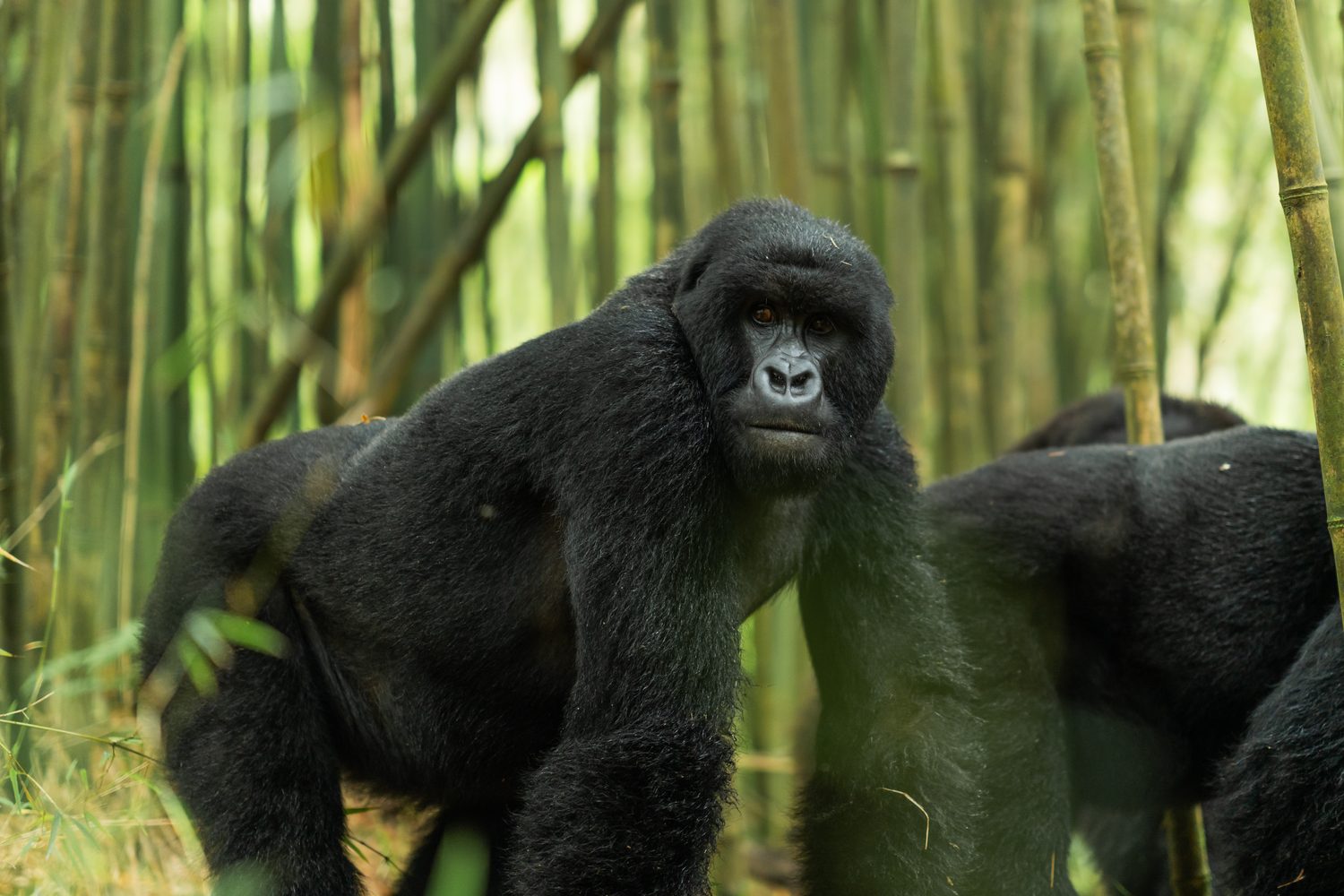
Gorilla trekking runs year-round in Rwanda and Uganda. The drier stretches, June to September and December to February, do mean easier hiking, but the gorillas keep no calendar and the mist-shrouded forest is always atmospheric. We have sent travelers during the rainy season who had perfect weather, and travelers during the dry season who hiked through mud. What matters more is fitness, preparation, and understanding that this is mountain rainforest, which makes its own weather regardless of the month.
South Africa's private reserves deliver exceptional Big Five viewing twelve months a year, and neither season is wrong: winter for clear, easy game viewing, summer for newborns and storm light.
Botswana's wildlife viewing stays spectacular year-round, just differently, and the Kalahari's zebra migration happens in green season when the pans fill briefly, a phenomenon most travelers never witness because they are chasing dry season somewhere else.
Cape Town and the Winelands run on a Mediterranean climate, gorgeous year-round with a different advantage each season. Summer brings long days and beach weather, autumn delivers harvest and the best tasting conditions, winter means fewer crowds and dramatic mountain weather, and spring explodes with wildflowers. It is the single easiest place in Africa to build around fixed dates, which is why so many family journeys begin or end there. More in Luxury Family Safaris.

Finding Your Season
The best time for you isn't found by consulting a chart. It's found by understanding what will actually make you happiest.
If you're marking a milestone and want every variable controlled, with reliable weather and cooperative wildlife and the confidence that comes with peak season, then dry season serves you, even at peak rates and with more vehicles at the popular sightings.
If you're drawn to drama, to meeting Africa when it is more authentically itself than optimized for visitors, when camps are near-empty and animals relax because the pressure is off, then green season is calling you.
If your dates are fixed around school or work, we build backward from your windows to find the destinations and experiences that shine during those precise weeks, rather than forcing you into someone else's idea of optimal.
If you're a photographer more interested in light and landscape than in a species checklist, green season almost certainly serves you better: dramatic skies, intimate encounters, and a guide willing to wait an hour because nobody else is competing for their attention.
If you're traveling with young children or with elderly parents for whom weather predictability matters most, dry season provides that reassurance, and it is worth the premium.
The travelers who report the highest satisfaction are not the ones who came during the best time. They're the ones who understood what they were choosing and arrived aligned with the season rather than fighting it.
Safari Timing Questions, Answered
What is the best month to go on safari?
For the widest margin of reliability, choose July, August, or September: short grass, concentrated wildlife, comfortable temperatures, and the Migration in the north. If you want the same quality with fewer vehicles and lower rates, June and October sit just outside peak and often deliver nearly identical conditions.
When is the best time to go on safari in South Africa?
Any month, in the private reserves. May to September is dry winter, with the easiest game viewing and cold mornings; October to April is green summer, with newborns, storms and superb birding. The Greater Kruger is a malaria area, with the highest risk from November to April, so families traveling then often choose the malaria-free Eastern Cape or Madikwe.
When is the best time to go on safari in Kenya?
June to October for dry weather and the Migration in the Maasai Mara, usually from July to September. January and February are a quieter second dry spell, and the long rains fall from March to May.
What is the cheapest time to go on safari?
April and May are the lowest, followed by November. Rates fall twenty to forty percent against peak season, though the holidays, in late December and early January, are the exception and price at or above it, and the camps that stay open are noticeably quieter. You trade some predictability in weather and road access for genuine value and near-private sightings.
Is the green season actually worth it?
For photographers, returning travelers, and anyone who prizes solitude over certainty, yes, emphatically. For a first safari built around seeing as much as possible in a limited number of days, dry season remains the safer choice. Many of our travelers do both eventually, and say the two trips felt like different continents.
When are the Great Migration river crossings?
Typically July through September on the Mara River, between the northern Serengeti and Kenya's Maasai Mara. The herds follow grass and rain rather than a schedule, so we position you in the right region for a stretch of days rather than promise a crossing on a given date.
What is the best time for gorilla trekking?
June to September and December to February are the drier stretches in Rwanda and Uganda, which makes the hiking easier underfoot. Permits and gorillas are available year-round, and the forest makes its own weather in every month, so fitness and preparation matter more than the calendar.
When should we travel with children?
School holidays in July and August coincide with peak conditions, which is convenient and expensive in equal measure; book twelve to eighteen months out. December and the Easter weeks work well in Southern Africa, particularly in malaria-free reserves and the Cape. We plan a great many family journeys around exactly these constraints; see Luxury Family Safaris.
The Last Word
We once sent a honeymoon couple during peak season, because what they needed then was the reassurance of guaranteed abundance. Three years later we sent the same couple back during green season, because by then they wanted intimacy more than insurance. Both trips were exactly right for the moment they were taken in.
That is the whole of it. There is no wrong month, only a month that does or doesn't match what you're hoping to feel when you get there. Tell us what you're imagining and we'll tell you honestly when to go, including the times we'd steer you away from the obvious answer. Begin the conversation whenever you're ready.
The Printable Safari Packing Checklist
Four designed pages, free: the complete checklist, the landscape palette, packing by season, and traveling with children. Tell us where to send it.
Read Further


Ready to Find Your Season?
Tell us what you want to feel when you're there. We'll handle the timing, routing, and properties that make it happen.

" height="6.799809999999999px" id="UnPIFpqy2" transform="translate(4.733 4.667)" width="6.799800000000001px"/><path d="M 0.8 0 C 1.267 0 1.6 0.4 1.6 0.8 C 1.6 1.267 1.266 1.6 0.8 1.6 C 0.333 1.6 0 1.267 0 0.8 C 0 0.334 0.333 0 0.8 0 Z" fill="rgb(165, 176, 170)" height="1.6000999999999999px" id="wjKJl84P4" transform="translate(10.867 3.733)" width="1.6000999999999994px"/><path d="M 7.333 0 C 8.533 0 8.8 0.067 9.4 0.067 C 10.467 0.134 11.466 0.4 12.2 1.133 C 12.933 1.867 13.2 2.867 13.267 3.934 C 13.333 4.533 13.333 4.8 13.333 6 L 13.333 7.333 C 13.333 8.533 13.267 8.8 13.267 9.4 C 13.2 10.467 12.933 11.467 12.2 12.2 C 11.466 12.933 10.467 13.2 9.4 13.267 C 8.8 13.333 8.533 13.334 7.333 13.334 L 6 13.334 C 4.8 13.334 4.533 13.267 3.933 13.267 C 2.8 13.2 1.867 12.933 1.133 12.2 C 0.4 11.467 0.133 10.467 0.066 9.4 C 0 8.8 0 8.533 0 7.333 L 0 5.934 C 0 4.734 0.066 4.467 0.066 3.867 C 0.066 2.8 0.333 1.867 1.133 1.067 C 1.867 0.334 2.8 0.067 3.866 0.067 C 4.466 0 4.733 0 5.933 0 Z M 6.666 1.2 C 4.933 1.2 4.733 1.267 4 1.267 C 3.266 1.333 2.533 1.467 2 2 C 1.466 2.533 1.333 3.267 1.267 4 C 1.2 4.667 1.2 4.867 1.2 6.667 C 1.2 8.4 1.2 8.6 1.267 9.333 C 1.333 10.067 1.466 10.8 2 11.333 C 2.533 11.867 3.266 12 4 12.067 C 4.666 12.134 4.866 12.133 6.666 12.133 C 8.4 12.133 8.6 12.067 9.333 12.067 C 10.066 12 10.8 11.867 11.333 11.333 C 11.866 10.8 12 10.067 12.066 9.333 C 12.133 8.6 12.133 8.4 12.133 6.667 C 12.133 4.934 12.066 4.733 12.066 4 C 12 3.267 11.866 2.533 11.333 2 C 10.8 1.467 10.066 1.333 9.333 1.267 C 8.666 1.2 8.466 1.2 6.666 1.2 Z" fill="rgb(165, 176, 170)" height="13.3335px" id="W1sWTdVhE" transform="translate(1.467 1.467)" width="13.33300001940264px"/></svg>)
" height="12.000010000000001px" id="Px7drxAPR" transform="translate(4.133 2.134)" width="7.53329px"/></svg>)
" height="13px" id="RXaPy7s6t" transform="translate(0.838 1.5)" width="14.381208999999998px"/></svg>)
" height="11.99998861028647px" id="xgm2Ladnt" transform="translate(2.036 2)" width="11.92787px"/></svg>)
" height="9.26662px" id="tz2Esvrs4" transform="translate(1.467 3.567)" width="13.333300000000001px"/></svg>)