The Fundamentals
How to Plan an African Safari
From daydream to departure.
By Hans Arnesen, Founder of Reverie Safaris · Updated September 2026
How to Plan an African Safari
From daydream to departure.
There's a moment that happens somewhere between the third and fourth morning when you stop planning your days and start living them. You're watching a pride of lions negotiate the shade, teenage cubs testing boundaries, a matriarch deciding when enough is enough, and you realize this isn't happening to you. You're inside it. The light, the wait, the quiet counsel of your guide who knew where to position the vehicle twenty minutes before the lions moved. None of this was an accident. Someone understood the invisible architecture of a great safari and built your days around it.
That's what planning an African safari should feel like when it's done right. Not logistics, though logistics matter. Not booking, though bookings must be made. It's curation in the truest sense: the art of understanding what calls to you before you can fully articulate it, then orchestrating time, place, and rhythm so the experience unfolds like inevitability.
Most people planning their first safari ask the wrong questions first. Where should I go? is actually the third question. The first is what do I want to feel? The second is how do I want time to move? Because Africa is vast and various, and the safari that serves a photographer chasing the Migration is fundamentally different from one designed for a family marking a milestone, which differs again from the journey right for someone who's spent decades traveling well and wants something they haven't seen before.
This guide is about those questions, the ones that matter before you ever look at a map. If you're wondering about seasons and timing once you've chosen your destination, see Best Time to Go on Safari. Curious what encounters await where? Start with Wildlife Encounters.

The Short Answer
Start twelve to eighteen months out and make three decisions in order: what you want the trip to feel like, which region delivers that feeling, and when to go. Most first safaris run nine to twelve days across two or three regions, with at least three nights in each camp.
At the level we design, plan from $1,500 per person per day on the ground, with international flights on top. After that, the logistics, from bush flights to transfers, are ours, and we walk you through visas and vaccinations. The rest of this guide is about the first of those three decisions, the one most people skip.
The First Choice: Character, Not Geography
People think safari planning begins with picking countries. It doesn't. It begins with understanding that East Africa and Southern Africa are dialects of the same language: both stunning, both profound, but expressing wonder in entirely different registers.

East Africa Speaks in Superlatives
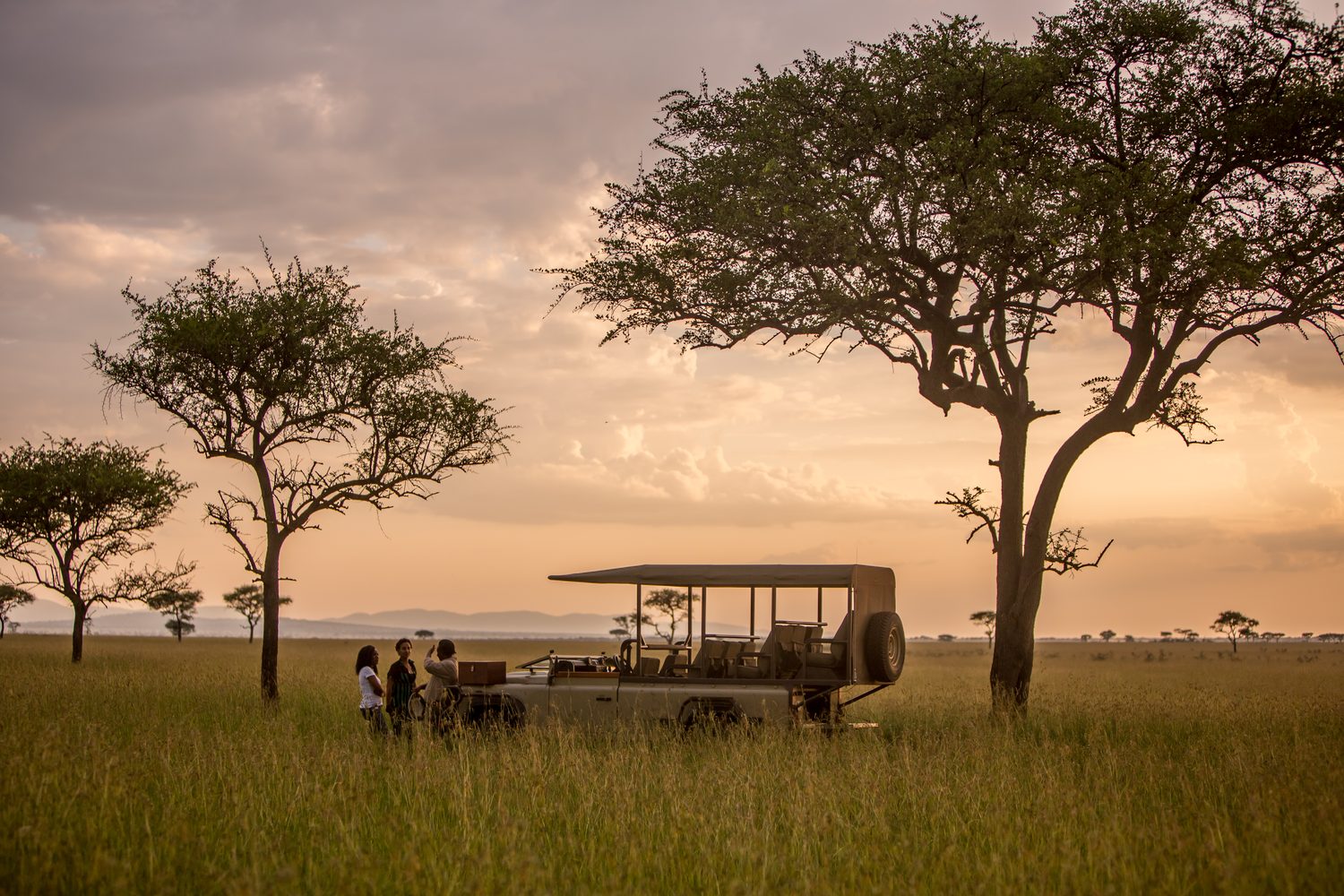
Kenya, Tanzania, Rwanda, Uganda. This is Africa as an archetype. The Serengeti at dawn with its mathematics of grass and horizon. The Maasai Mara when the great herds of wildebeest and zebra arrive like a scheduled miracle. Ngorongoro Crater, that collapsed volcano where you descend into a natural amphitheater and can see all five in a single day (lion, leopard, elephant, buffalo, rhino), as if someone staged it just for you.
Here, the wildlife concentrations feel biblical. The landscapes are iconic enough that your photographs will look like the ones you've seen a thousand times, except they're yours, and somehow the morning you watched it all unfold makes every previous image a rehearsal for this performance.
East Africa also holds the mountain gorillas, in Rwanda's Volcanoes National Park and Uganda's Bwindi. An hour sitting seven meters from a silverback while his family goes about their morning is one of those experiences that resets your understanding of what "encounter" means. You don't photograph it well. You can barely describe it later. But it changes how you think about proximity, intelligence, and what we owe the wild things we share the planet with.
Then there's Zanzibar: spice-scented Stone Town with its narrow alleys and carved doors, powder-soft beaches where dhows sail on trade winds that haven't changed course in centuries. The perfect place to let wild memories settle, to process elephant and lion and the particular quality of light on the Serengeti while your feet remember what sand feels like.
East Africa suits first-time safari travelers who want the Africa they've imagined, delivered with confidence, comfort, and the kind of wildlife viewing that feels almost guaranteed. It suits families because the infrastructure is mature, the camps are plentiful, and you can build itineraries that balance adventure with ease. It suits anyone drawn to the classic safari narrative: big skies, endless grass, the thunder of hooves.
Southern Africa Trades Volume for Intimacy
Botswana, South Africa, Namibia, Zambia, Zimbabwe. Here the lexicon changes. Fewer vehicles. Vast private concessions where you might be the only guests for miles. A different relationship with wilderness that feels less like visiting and more like being absorbed.
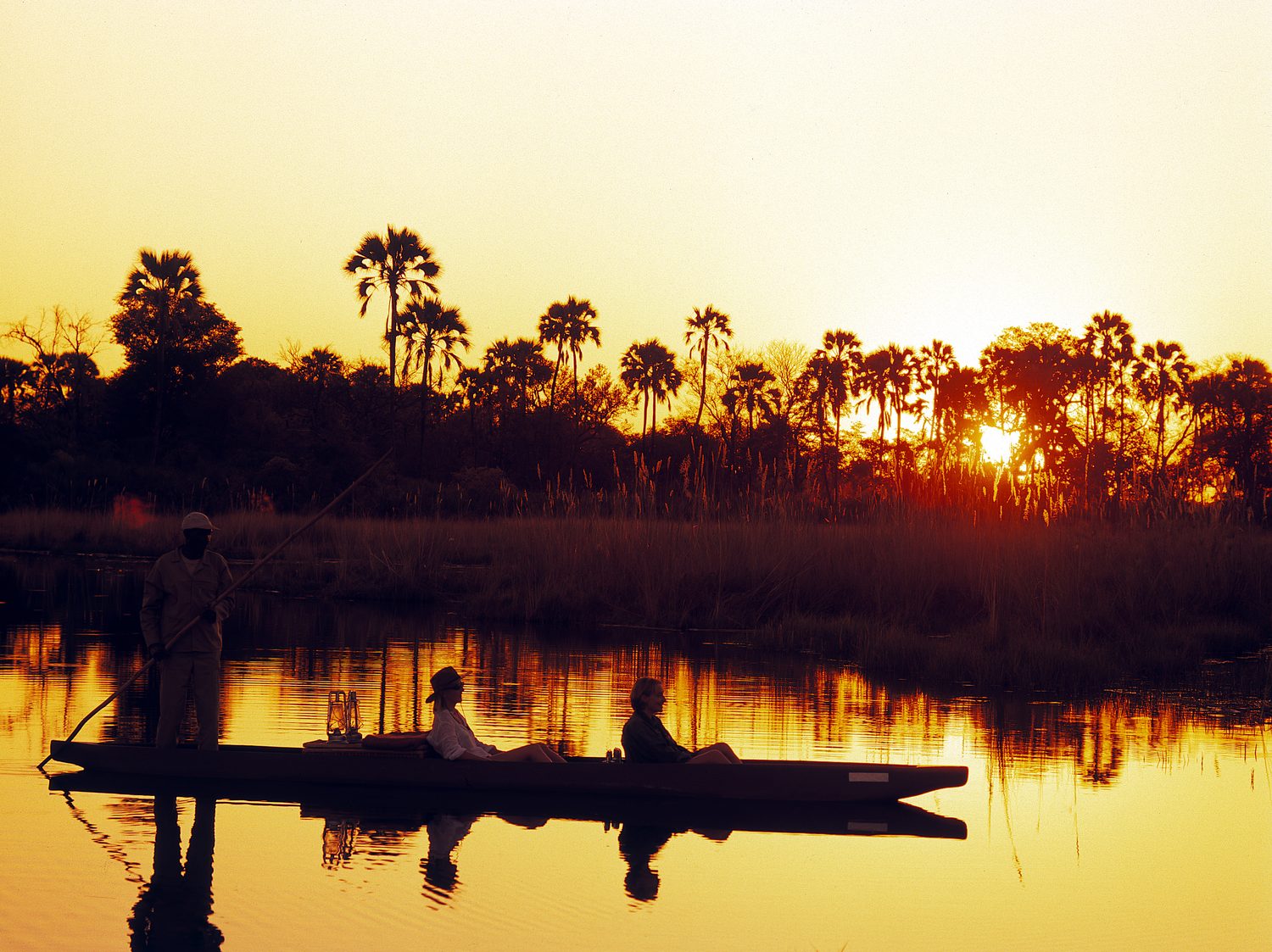
Botswana's Okavango Delta is water in the Kalahari: channels that appear seasonally, papyrus mazes where you pole through on a mokoro at dawn and the only sound is a fish eagle overhead and water against wood. Elephants crossing at eye level. Lions that hunt in water. A kind of Africa that feels Edenic and impossible and entirely real all at once.
Namibia is the opposite: vast, arid, sculptural. Dunes the color of burnt sienna that climb three hundred meters. The Skeleton Coast, where desert meets Atlantic and shipwrecks half-buried in sand become monuments to miscalculation. Silence so complete it has texture. This is Africa for travelers who've seen wildlife abundance and now want to understand survival, adaptation, the austere beauty of life persisting where it probably shouldn't.
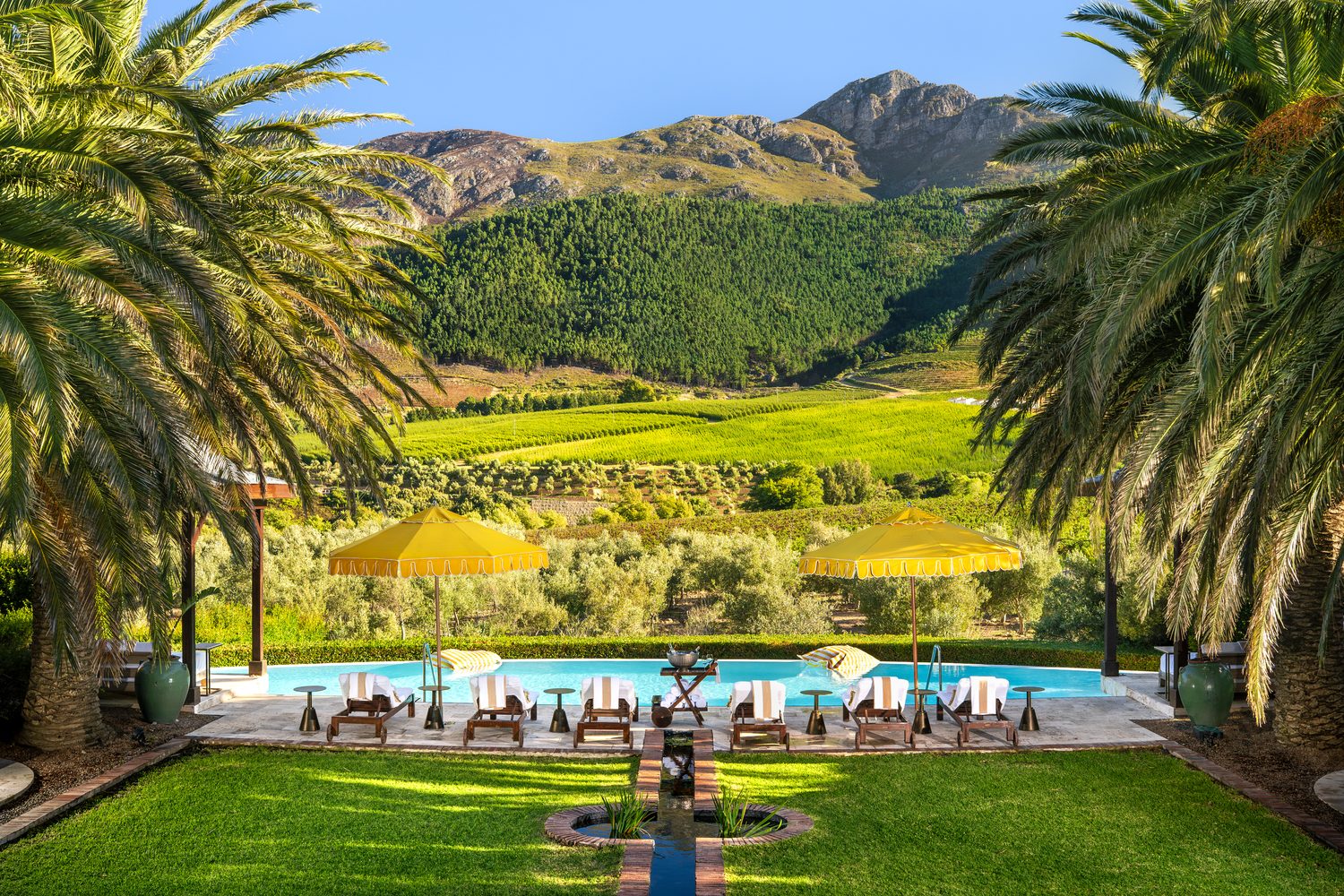
South Africa offers the closest thing to a "complete" safari experience within one country: Big Five viewing in private reserves that rival Botswana for quality, Cape Town for world-class food and wine and design, and malaria-free options in the Eastern Cape for families with young children. The infrastructure is first-world. The camps are sophisticated. The wine cellars at properties like Singita or Delaire Graff could justify the trip by themselves.
Then there's Victoria Falls, that mile-wide curtain of water where the Zambezi drops into a gorge and mist rises like smoke you can see for miles. You can helicopter over it, raft below it, or simply stand at the edge and feel appropriately small. It's one of those natural phenomena that makes you grateful you showed up.
Southern Africa suits travelers who've perhaps been to Africa before and want depth over breadth. It suits those drawn to dramatic landscapes and the kind of exclusivity where "we saw no other vehicles all day" is standard rather than lucky. It suits wine lovers, design enthusiasts, anyone who wants safari paired with sophisticated urban experiences.
For the practical side of the choice, month by month and country by country, read East Africa vs Southern Africa.
How Time Moves on Safari
Here's what surprises people: safari isn't primarily about seeing things. It's about time. Specifically, how differently time behaves when you're watching a leopard decide whether to hunt, or a herd of elephants work out family politics over thirty patient minutes.
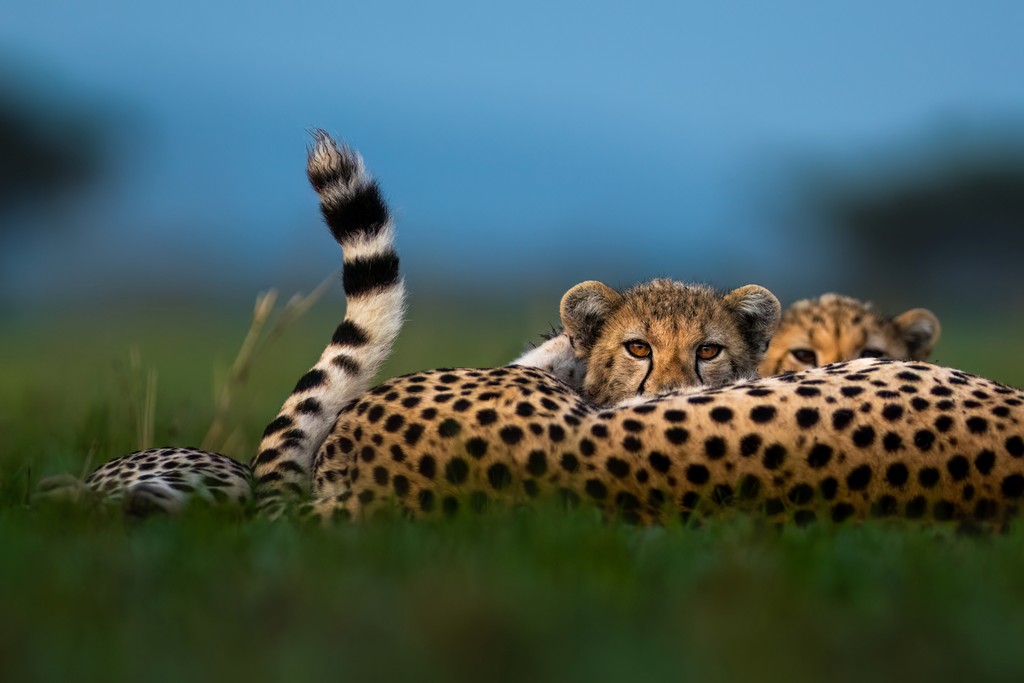
Western life runs on compression. Safari runs on expansion. You wake before dawn not because you have to but because that's when the bush is most alive. You spend two hours with a cheetah coalition not because the itinerary says so but because something is about to happen and your guide can read it in the way they're scanning the grass.
This is why safari planning should account for rhythm, not just routing. Three days is a sighting. Five days is an experience. Seven days is immersion: enough time to stop tracking species and start noticing behavior, enough time for your nervous system to downshift from city speed to bush pace, enough time to understand that the quiet hours between drives matter as much as the drives themselves.
When we design itineraries, we think in movements, not days. The opening movement establishes rhythm, starting somewhere accessible, somewhere confidence-building. The middle movement deepens: the Delta's water world after the Mara's plains, or Namibia's silence after South Africa's abundance. The closing movement provides resolution. Often an island, sometimes a city, occasionally just a particularly beautiful camp where you do nothing but consolidate memory.
People often ask if they should try to see "everything" on their first safari. The answer is always no. Africa will still be here. But this trip, this particular arrangement of days and places, won't repeat. Better to know three regions well than to visit seven superficially. Better to spend three nights in a camp that reveals itself slowly than one night in a property you'll barely remember.
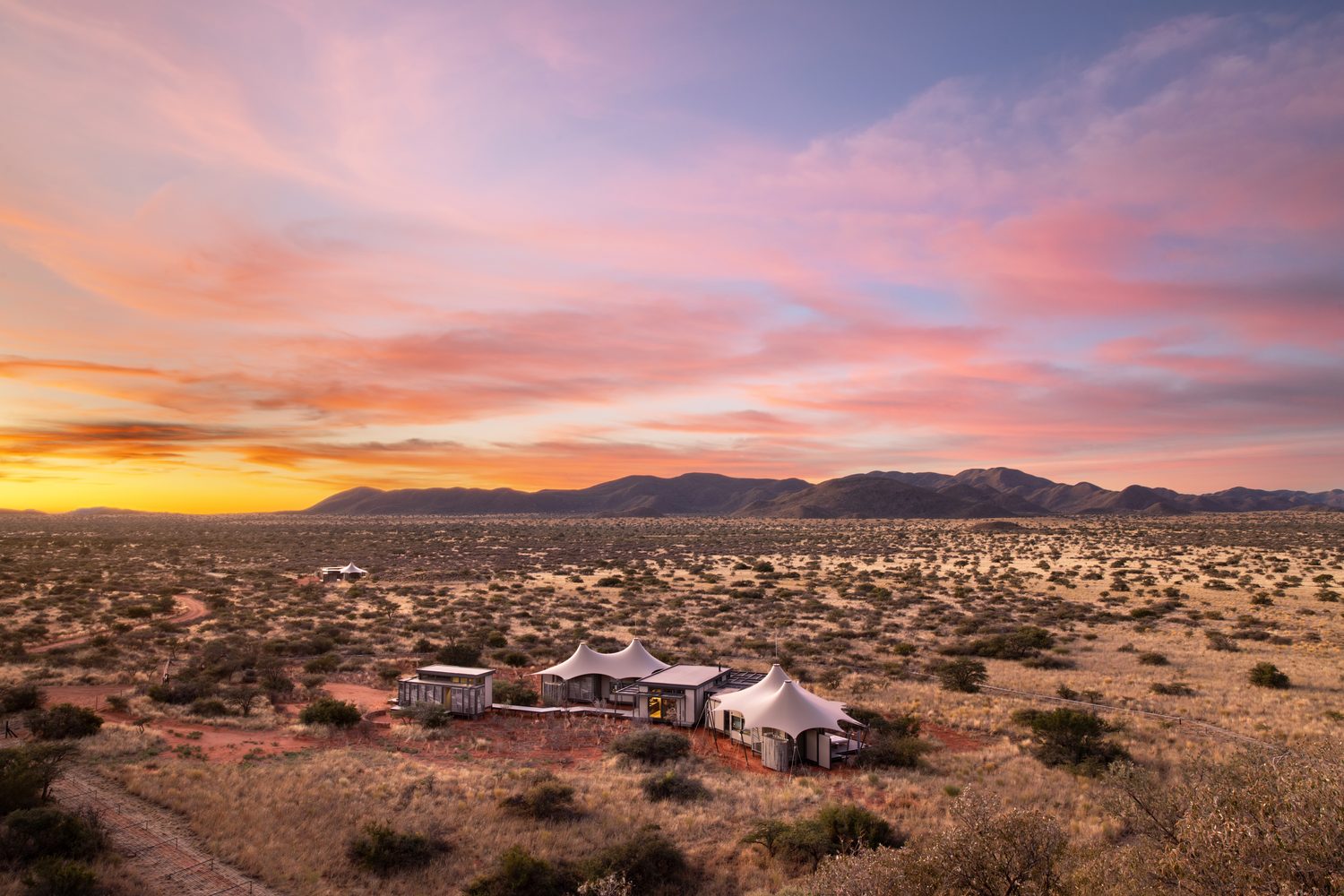
When the Calendar Matters (and When It Doesn't)
Timing a safari is part science, part art, part personal preference masquerading as objective fact.
The science: animals move with grass and water. In the dry season, roughly May through October across most of East and Southern Africa, wildlife concentrates around permanent water sources. Grass recedes. Visibility improves. The Great Migration reaches the Maasai Mara for river crossings July through September. Botswana's Okavango floods from May through September, when Angola's rains finally arrive. These are the months that appear in coffee table books because the light is clean, the temperatures comfortable, and cooperative wildlife makes everything look easy.
The art: green season, November through April in much of the region, delivers drama the dry months can't match. Storm clouds that turn afternoon into theater. Newborn animals everywhere. Calving season in the southern Serengeti January through March means concentrated predator action and the kind of life-and-death encounters that feel almost too intense to watch. Fewer vehicles. Lusher landscapes. Photography that's more challenging but infinitely more rewarding if you know what you're doing.
The personal preference: some travelers want guarantees. They want to arrive when the Migration is exactly where it should be, when temperatures won't surprise them, when every variable is controlled. Others want seasonality. They want to see how Africa transforms with rain, how the green season reveals a completely different landscape than the dry, how the animals that stay year-round behave when the migrants leave. Neither is wrong. But knowing which traveler you are shapes which season serves you best.
And here's the secret that changes everything: gorilla trekking, whale watching off South Africa's coast, desert landscapes in Namibia, and countless other experiences transcend season entirely. The Okavango is stunning whether flooding or dry, just different. The Kalahari is equally remarkable in green season, when zebras migrate across the pans, as in dry season, when everything tightens around permanent water.
This is why we start every planning conversation by asking what calls to you most. If it's the Migration's river crossings, then yes: July through September in the northern Serengeti or Maasai Mara. If it's landscape and light and intimate encounters, with less concern about specific wildlife phenomena, then the world opens considerably.

The Investment Question (or, What You're Actually Paying For)
Let's address this directly: luxury safari is expensive. Plan around fifteen hundred dollars per person per day for everything on the ground in Africa, and for a ten-day journey, thirty to fifty thousand dollars for a couple. For the full arithmetic, tier by tier, with a ten-day budget anatomy, see How Much Does a Luxury Safari Cost?
The number shocks people until they understand what it actually represents. You're paying for access to vast private concessions, in some cases fifty thousand acres or more, where your morning drive might be the only vehicle for hours. You're paying for guide expertise that takes ten years to develop, and tracker skills that border on supernatural. You're paying for conservation: most premier camps contribute significant percentages to anti-poaching operations, habitat restoration, and community development that ensures these landscapes survive for your grandchildren. For how to tell genuine conservation from marketing, see How to Choose a Conservation-Led Safari. And you're paying for logistical complexity you never see: charter flights that arrive exactly on time, supply chains that deliver fresh produce to camps accessible only by air, hot showers and reliable electricity in places that logically shouldn't have either.
You're also paying for something harder to quantify but absolutely essential: you're paying to never be nickel-and-dimed. At the camps we book, everything on the ground is included, game drives, meals, house beverages, laundry, park fees, internal flights, every gratuity. You never make budget calculations in the field, and you never wonder whether the second game drive appears on the bill.
Above all, the cost buys time. Cheaper safaris pack more people into smaller spaces, run tighter schedules, offer less flexibility. Luxury safari is fundamentally about having the resources, vehicles, guides, and time itself, to move at wildlife's pace rather than an itinerary's tyranny. And here's what we've learned after years of planning safaris at every price point: travelers who try to safari on a budget almost always wish they'd spent more, and travelers who invest properly almost never feel they overpaid. Safari is unlike any other travel. You're asking Africa to perform, and Africa performs best when you create the conditions for patience.

The Architecture of Combination
Single-country safaris work beautifully when designed well. But Africa's greatest experiences often require crossing borders. Not for the sake of passport stamps, but because certain combinations create rhythm and contrast that single destinations simply cannot.
Kenya's Maasai Mara followed by Rwanda's mountain gorillas: plains to forest, abundance to intimacy, horizontal to vertical. Two Africas in conversation. Botswana's Okavango Delta paired with Victoria Falls, then Cape Town: water, thunder, sophistication. An arc from wilderness immersion through natural wonder to urban grace. Tanzania's Serengeti and Ngorongoro Crater finishing in Zanzibar: the classic East African circuit that ends not with more wildlife but with spice markets and turquoise water and the particular luxury of doing absolutely nothing. South Africa's private reserves, the Cape Winelands, then Mozambique's archipelagos: safari, wine country, pristine beaches. The trifecta that proves Africa contains multitudes.
The art lies in knowing which combinations amplify each other and which merely accumulate. Adding Rwanda to a Kenya-Tanzania itinerary creates counterpoint. Adding Namibia to a Botswana-Zimbabwe trip just adds distance, because Namibia's stark beauty and Botswana's water abundance compete rather than complement.
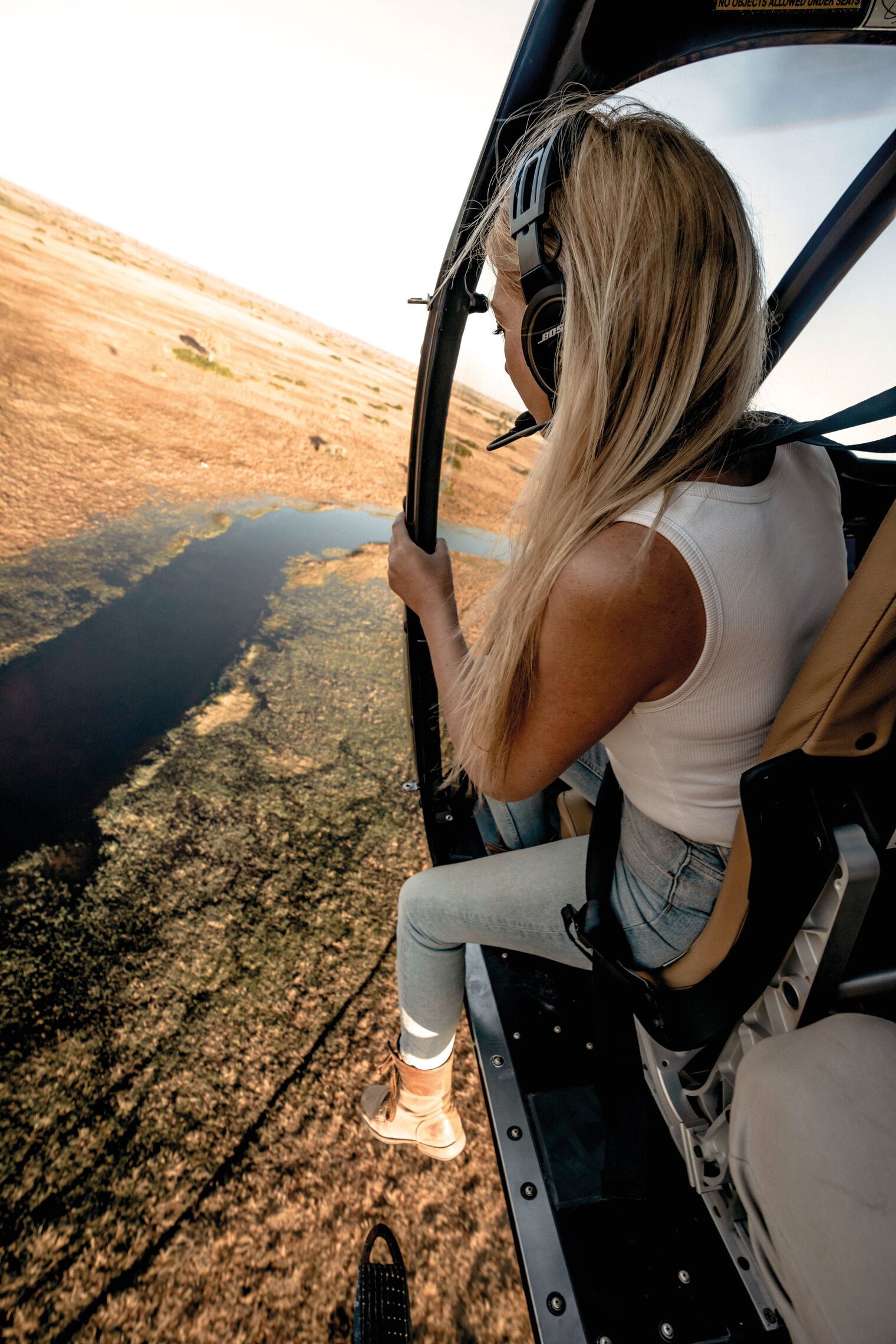
Light aircraft make these combinations possible without exhaustion. Flying low over the landscapes between camps, tracking elephant migration paths, watching seasonal rivers from above, transforms travel days into experiences rather than transit. Private charters elevate further still: moving on your schedule, routing through scenic areas specifically for perspective, turning what could be logistics into storytelling.

What We Handle (So You Don't Have To)
Every extraordinary safari stands on invisible infrastructure: the work that happens before you arrive and continues after you depart.
Documentation strategy: understanding which countries require visas in advance versus on arrival, knowing that certain passport stamps complicate entry into other countries, coordinating yellow fever certification where required, securing gorilla trekking permits months ahead when daily allocations are strictly limited.
Flight architecture: coordinating international arrivals with bush flight departures, building in buffer time that accounts for African realities without padding schedules unnecessarily, knowing which regional airlines actually maintain their schedules and which merely suggest them.
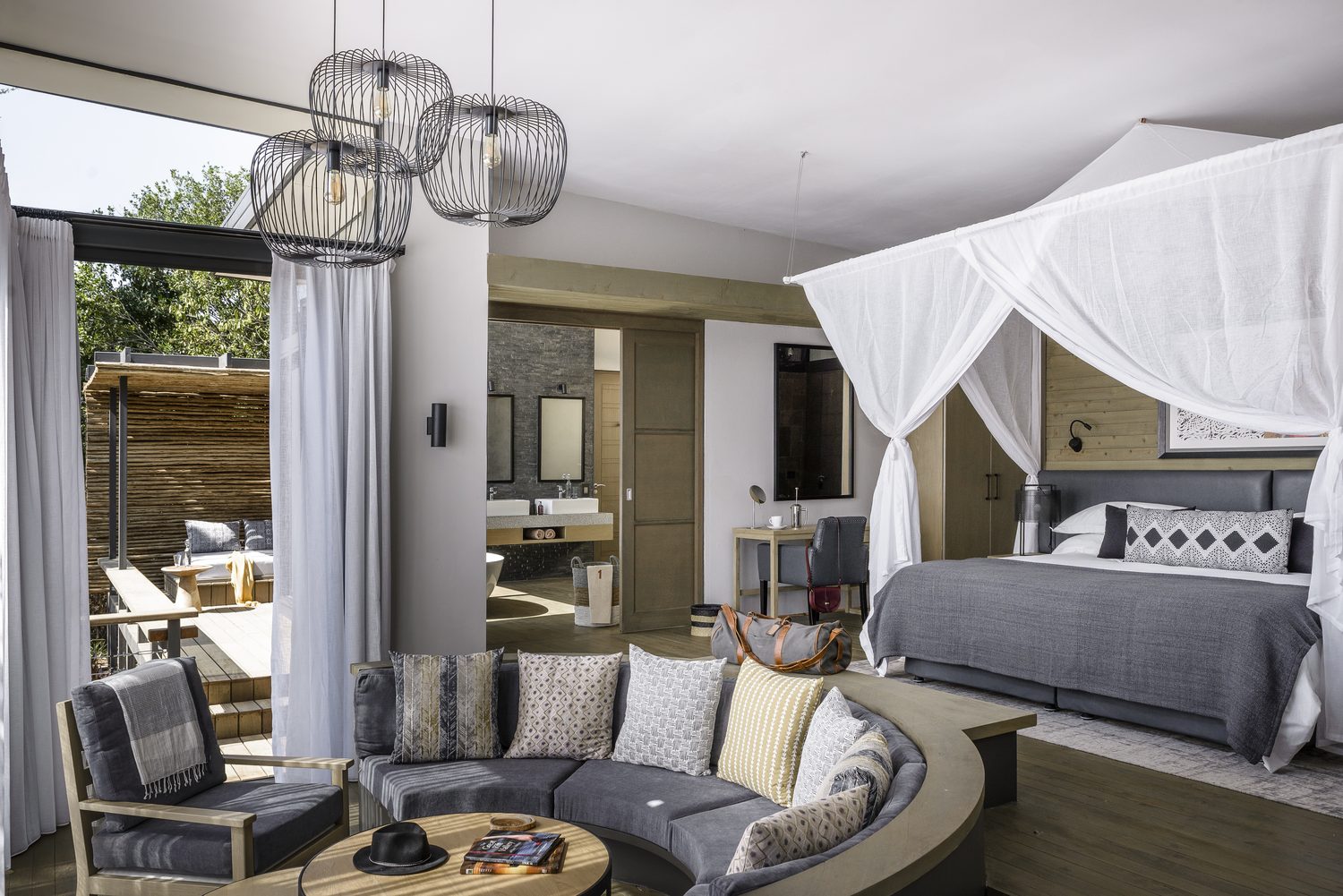
Property selection: matching accommodation to personality, understanding that camps with identical luxury ratings offer radically different experiences, knowing which properties excel with children and which don't welcome them at all, recognizing when private villas serve better than shared lodges. Our guide to Where to Stay on Safari maps this landscape in full.
Guide curation: requesting specific guides when possible, communicating your interests and pace preferences so the right match happens from day one, understanding that the difference between a competent guide and an extraordinary one will define your entire safari.
On-ground adaptation: having relationships that allow seamless re-routing when weather disrupts flights, when wildlife movements shift unexpectedly, when a traveler's health or energy requires adjustment.
This is the work we do before you notice it needs doing. This is why working with someone who knows Africa intimately, rather than booking online, always produces better safaris. Not just more comfortable ones. Fundamentally better ones.
The Personal Equation
Here's what we've learned: there is no best safari. There's only the best safari for you, at this moment in your life, with these traveling companions, holding these particular desires.
Some people want maximum wildlife diversity; they want to see as many species as possible. Others want depth with megafauna; they'd rather spend three days understanding elephant social dynamics than checking off the complete antelope list. Some want every creature comfort maintained in the wilderness. Others want genuine wilderness even if it means compromising a bit on luxury. Some need photographic hides and private vehicles. Others are perfectly happy in shared land rovers if the guide is exceptional.
All of these are legitimate. All can be accommodated. But they require different planning, different properties, different routing.
This is why every safari we design begins with conversation rather than itinerary. We ask what calls to you, yes, but also what you're leaving behind. Sometimes safari is about escape and sometimes it's about perspective, and knowing which determines everything about pacing and privacy. We ask about your relationship with risk and comfort, with structure and spontaneity, with other people and solitude. We ask what you've loved about past travel and what you wish had been different.
Then we listen. Really listen. Because buried in those answers is the shape of your safari, waiting to be drawn out and given form.
When to Begin
Peak season at premier camps books twelve to eighteen months ahead. Sometimes more, for specific properties during the Migration's prime weeks or for exclusive-use villas. This isn't artificial scarcity. These places genuinely have limited inventory, and the travelers who understand value tend to plan far ahead.
Nine to twelve months is the sweet spot for most journeys. Far enough out that excellent options remain available. Recent enough that the trip feels imminent rather than theoretical. The window where you can still build exactly what you want without compromise.
Six months can work beautifully for shoulder seasons, or if you have flexibility around exact dates. It narrows choices but doesn't eliminate them. Three months or less requires real flexibility, and acceptance that your second or third choice properties might be your only options.
The earlier you begin, the more the trip becomes what you actually want rather than what's available. This matters more with safari than almost any other style of travel, because the properties that make safari extraordinary exist in limited quantities, and they fill up.
Safari Planning Questions, Answered
How far in advance should you book a safari?
Twelve to eighteen months for peak season at premier camps, and even earlier for the Migration's prime weeks or exclusive-use villas. Nine to twelve months is the sweet spot for most journeys; six months works for shoulder seasons. The earlier you begin, the more the trip becomes what you want rather than what's left.
How many days do you need for a safari?
Three days is a sighting, five days is an experience, and seven or more is immersion. Most of our journeys run nine to twelve days across two or three regions, with three nights minimum in each camp. Depth beats coverage every time; Africa will still be here for the next trip.
Where should you go for your first safari?
East Africa delivers the classic archetype: the Serengeti, the Maasai Mara, wildlife viewing that feels almost guaranteed. Southern Africa trades that scale for intimacy, exclusivity, and dramatic landscapes. The honest answer depends on what you want to feel, which is exactly where our planning conversations begin. For the practical comparison, read East Africa vs Southern Africa.
Should you plan a safari with a specialist or a travel agent?
For a luxury safari, a specialist who has stayed at the camps is worth more than a general travel agent, because the decisions that matter, which camp, which suite, which guide and which week, depend on first-hand knowledge that booking sites don't have. We design African safaris end to end, at camps we have vetted in person, and handle everything from bush flights to gratuities. What to pack is in our African Safari Clothing & Packing List.

Why This Matters
There's a photograph that exists from every great safari. You don't always get it on camera, but you get it in memory with perfect clarity. It's the moment when planning becomes irrelevant and you're just there: present, attentive, grateful that all the invisible decisions brought you to exactly this place at exactly this time to witness exactly this unfolding.
That's what we're after. Not the perfect trip on paper, but the one that comes alive in ways you didn't anticipate, because someone understood the architecture underneath.
Safari planning done properly is invisible. You notice the leopard, not the work that positioned you twenty minutes before she moved. You feel the rhythm of days, not the coordination that created it. You remember the morning light, not the seasonal research that chose these specific weeks. This is why we do what we do: not to plan trips, but to create conditions where wonder becomes inevitable. When you're ready, reach out and we'll start with a conversation.
The Printable Safari Packing Checklist
Four designed pages, free: the complete checklist, the landscape palette, packing by season, and traveling with children. Tell us where to send it.
Read Further


Ready to Begin?
Tell us what's calling you: the landscapes, the pace, the moments you want to savor. We'll handle the rest.

" height="6.799809999999999px" id="UnPIFpqy2" transform="translate(4.733 4.667)" width="6.799800000000001px"/><path d="M 0.8 0 C 1.267 0 1.6 0.4 1.6 0.8 C 1.6 1.267 1.266 1.6 0.8 1.6 C 0.333 1.6 0 1.267 0 0.8 C 0 0.334 0.333 0 0.8 0 Z" fill="rgb(165, 176, 170)" height="1.6000999999999999px" id="wjKJl84P4" transform="translate(10.867 3.733)" width="1.6000999999999994px"/><path d="M 7.333 0 C 8.533 0 8.8 0.067 9.4 0.067 C 10.467 0.134 11.466 0.4 12.2 1.133 C 12.933 1.867 13.2 2.867 13.267 3.934 C 13.333 4.533 13.333 4.8 13.333 6 L 13.333 7.333 C 13.333 8.533 13.267 8.8 13.267 9.4 C 13.2 10.467 12.933 11.467 12.2 12.2 C 11.466 12.933 10.467 13.2 9.4 13.267 C 8.8 13.333 8.533 13.334 7.333 13.334 L 6 13.334 C 4.8 13.334 4.533 13.267 3.933 13.267 C 2.8 13.2 1.867 12.933 1.133 12.2 C 0.4 11.467 0.133 10.467 0.066 9.4 C 0 8.8 0 8.533 0 7.333 L 0 5.934 C 0 4.734 0.066 4.467 0.066 3.867 C 0.066 2.8 0.333 1.867 1.133 1.067 C 1.867 0.334 2.8 0.067 3.866 0.067 C 4.466 0 4.733 0 5.933 0 Z M 6.666 1.2 C 4.933 1.2 4.733 1.267 4 1.267 C 3.266 1.333 2.533 1.467 2 2 C 1.466 2.533 1.333 3.267 1.267 4 C 1.2 4.667 1.2 4.867 1.2 6.667 C 1.2 8.4 1.2 8.6 1.267 9.333 C 1.333 10.067 1.466 10.8 2 11.333 C 2.533 11.867 3.266 12 4 12.067 C 4.666 12.134 4.866 12.133 6.666 12.133 C 8.4 12.133 8.6 12.067 9.333 12.067 C 10.066 12 10.8 11.867 11.333 11.333 C 11.866 10.8 12 10.067 12.066 9.333 C 12.133 8.6 12.133 8.4 12.133 6.667 C 12.133 4.934 12.066 4.733 12.066 4 C 12 3.267 11.866 2.533 11.333 2 C 10.8 1.467 10.066 1.333 9.333 1.267 C 8.666 1.2 8.466 1.2 6.666 1.2 Z" fill="rgb(165, 176, 170)" height="13.3335px" id="W1sWTdVhE" transform="translate(1.467 1.467)" width="13.33300001940264px"/></svg>)
" height="12.000010000000001px" id="Px7drxAPR" transform="translate(4.133 2.134)" width="7.53329px"/></svg>)
" height="13px" id="RXaPy7s6t" transform="translate(0.838 1.5)" width="14.381208999999998px"/></svg>)
" height="11.99998861028647px" id="xgm2Ladnt" transform="translate(2.036 2)" width="11.92787px"/></svg>)
" height="9.26662px" id="tz2Esvrs4" transform="translate(1.467 3.567)" width="13.333300000000001px"/></svg>)